 EN
EN

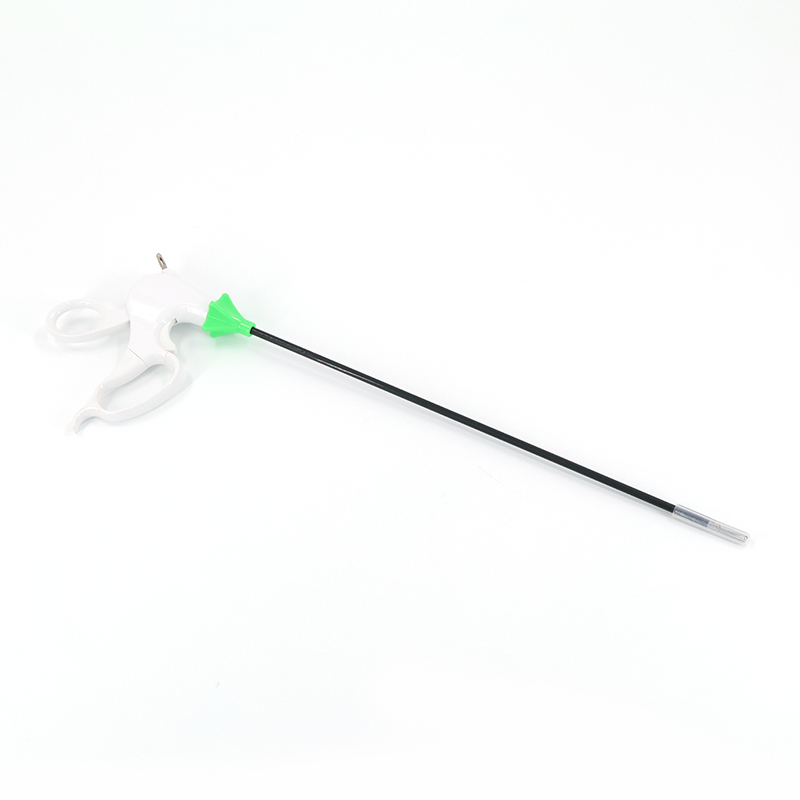
Across modern surgical practice, laparoscopic instruments have become the defining tools of minimally invasive surgery. Their adoption has reshaped how surgeons approach a wide range of procedures, replacing large open incisions with small, precise access points that reduce patient trauma, shorten recovery times, and lower the risk of postoperative complications. Understanding exactly which procedures rely most heavily on these instruments helps clinicians, procurement teams, and healthcare administrators make informed decisions about surgical equipment investment and training priorities.
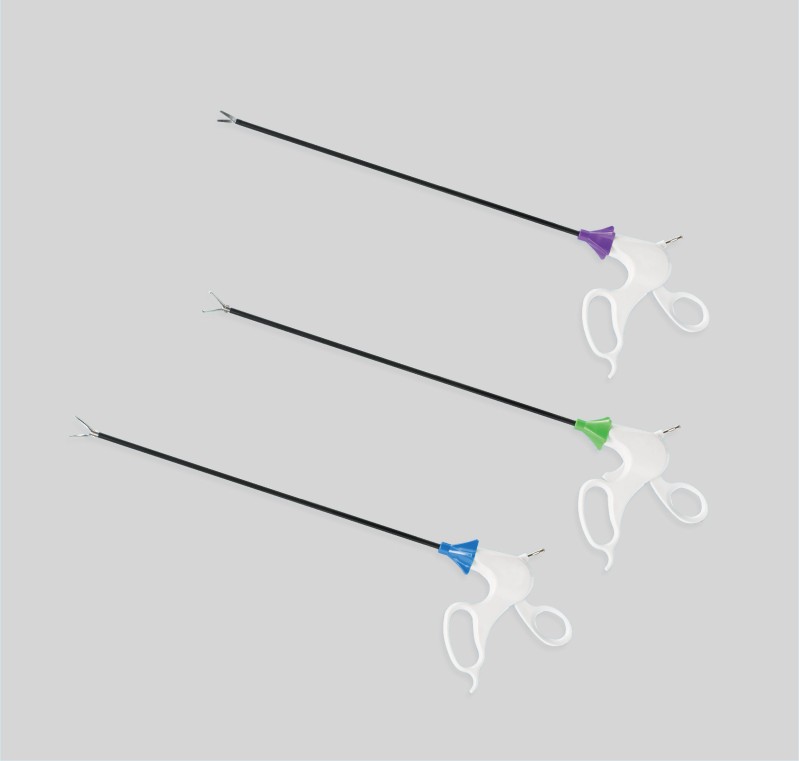
The breadth of procedures now performed with laparoscopic instruments is substantial and continues to expand as surgical technology advances. From routine general surgery to complex oncological resections, these tools are present in operating rooms around the world on a daily basis. This article examines the procedures where laparoscopic instruments are most widely used, explaining the clinical rationale behind their adoption and the specific demands each procedure places on instrument design and performance.
General Surgery Procedures That Rely on Laparoscopic Instruments
Cholecystectomy
Laparoscopic cholecystectomy is arguably the procedure most closely associated with the widespread adoption of laparoscopic instruments in modern surgery. The removal of the gallbladder through small abdominal ports has become the gold standard for treating symptomatic gallstones and acute cholecystitis. Surgeons rely on a coordinated set of laparoscopic instruments including graspers, dissectors, clip appliers, and electrosurgical hooks to safely isolate and remove the gallbladder without the morbidity of open surgery.
The precision required during the critical view of safety dissection makes instrument quality a central concern. Graspers must provide reliable tissue grip without causing inadvertent injury to the bile duct or surrounding structures. The procedure's high global volume means that laparoscopic instruments used in cholecystectomy must combine consistent performance with practical cost efficiency, particularly in high-throughput surgical centers.
Appendectomy
Laparoscopic appendectomy has largely replaced open appendectomy in elective and many emergency settings. The procedure benefits significantly from the enhanced visualization that laparoscopic instruments provide, allowing surgeons to confirm the diagnosis, assess the extent of inflammation, and complete the resection with minimal disruption to surrounding tissue. Graspers, endoscopic staplers, and irrigation devices are among the laparoscopic instruments most frequently used during this procedure.
In cases of perforated appendicitis, the ability to thoroughly irrigate and inspect the abdominal cavity using laparoscopic instruments offers a clear advantage over open approaches. The reduced wound infection rate and faster return to normal activity make laparoscopic appendectomy a preferred choice across age groups, from pediatric patients to adults.
Gynecological Procedures and the Role of Laparoscopic Instruments
Hysterectomy and Myomectomy
Gynecological surgery represents one of the largest application areas for laparoscopic instruments. Laparoscopic hysterectomy, whether total or subtotal, requires a sophisticated array of instruments including bipolar forceps, morcellators, suturing devices, and tissue graspers. These laparoscopic instruments allow surgeons to perform complex dissection and hemostasis within the confined pelvic space while maintaining excellent visualization through the laparoscope.
Myomectomy, the surgical removal of uterine fibroids, also depends heavily on laparoscopic instruments for tissue manipulation, hemostatic control, and specimen retrieval. The ability to preserve uterine integrity while removing fibroids of varying sizes and locations demands instruments with precise grip, reliable energy delivery, and ergonomic design that supports extended operative times.
Endometriosis Treatment and Ovarian Cystectomy
The diagnosis and treatment of endometriosis is almost exclusively performed using laparoscopic instruments. Surgeons use fine dissectors, scissors, and energy devices to excise or ablate endometriotic lesions from the peritoneum, ovaries, and bowel surface. The minimally invasive nature of laparoscopic instruments is particularly valuable here because many patients require repeated procedures over their reproductive years, and minimizing adhesion formation is a clinical priority.
Ovarian cystectomy similarly relies on laparoscopic instruments to carefully strip cyst walls from ovarian tissue while preserving follicular reserve. The delicate nature of this dissection requires instruments that offer tactile feedback and controlled force application, qualities that distinguish high-performance laparoscopic instruments from basic alternatives.
Colorectal and Upper Gastrointestinal Procedures
Colectomy and Rectal Resection
Colorectal surgery has seen a significant shift toward minimally invasive techniques, with laparoscopic instruments at the center of this transformation. Laparoscopic colectomy for conditions including colon cancer, diverticular disease, and inflammatory bowel disease requires a comprehensive instrument set. Bowel graspers, linear staplers, vessel-sealing devices, and irrigation systems are all essential laparoscopic instruments in this context.
The technical demands of laparoscopic colorectal surgery are considerable. Surgeons must navigate multiple abdominal quadrants, manage mesenteric vasculature, and achieve secure anastomoses, all through small port sites. The reliability and ergonomic performance of laparoscopic instruments directly influence operative efficiency and patient outcomes in these complex cases.
Fundoplication and Bariatric Surgery
Laparoscopic fundoplication for gastroesophageal reflux disease and laparoscopic bariatric procedures such as sleeve gastrectomy and Roux-en-Y gastric bypass are among the most technically demanding applications of laparoscopic instruments. These procedures require precise tissue handling around the esophagus, stomach, and small bowel, with instruments that can reliably grasp, retract, and divide tissue in a deep and narrow operative field.
Bariatric surgery in particular has driven innovation in laparoscopic instruments because of the unique challenges posed by operating in patients with higher body mass. Longer shaft lengths, reinforced jaws, and enhanced sealing capabilities are features that have been developed in direct response to the demands of bariatric laparoscopic procedures. The global rise in obesity-related surgery has made this one of the fastest-growing application areas for laparoscopic instruments.
Urological and Thoracic Applications
Nephrectomy and Prostatectomy
Urology has embraced laparoscopic instruments extensively, particularly for procedures involving the kidney and prostate. Laparoscopic nephrectomy, both radical and partial, uses graspers, clip appliers, and energy devices to safely mobilize and remove renal tissue while controlling the renal hilum. The retroperitoneal and transperitoneal approaches both depend on laparoscopic instruments that can function reliably in tight anatomical spaces with limited maneuverability.
Laparoscopic radical prostatectomy, while increasingly performed with robotic assistance, still relies on the same fundamental categories of laparoscopic instruments for tissue dissection, hemostasis, and urethrovesical anastomosis. The precision required to preserve the neurovascular bundles responsible for continence and potency places exceptional demands on instrument tip design and force transmission.
Thoracoscopic Procedures
Although technically referred to as thoracoscopic surgery, the instruments used in video-assisted thoracoscopic procedures share the same design principles and manufacturing standards as abdominal laparoscopic instruments. Lung resections, pleural biopsies, and mediastinal dissections all use graspers, dissectors, and staplers that are direct adaptations of laparoscopic instruments developed for abdominal surgery.
The crossover between abdominal and thoracic minimally invasive surgery reflects the broad applicability of laparoscopic instruments as a category. Procurement teams in hospitals that perform both abdominal and thoracic minimally invasive procedures often source from the same instrument families, simplifying inventory management and staff training.
Factors That Determine Instrument Selection Across Procedures
Procedure-Specific Design Requirements
Not all laparoscopic instruments are interchangeable across procedures. Each surgical application places specific demands on jaw geometry, shaft length, handle ergonomics, and energy compatibility. A grasper designed for cholecystectomy may not provide the tissue security needed for bowel manipulation in a colectomy. Surgical teams must match laparoscopic instruments to the specific biomechanical and anatomical requirements of each procedure.
Disposable laparoscopic instruments have gained significant traction across all these procedures because they eliminate the variability associated with reprocessing and instrument fatigue. Single-use designs ensure that every procedure begins with instruments performing at their validated specification, which is particularly important in high-stakes procedures where instrument failure carries serious consequences.
Ergonomics and Surgeon Preference
Surgeon ergonomics is a practical factor that influences which laparoscopic instruments are selected for routine use. Handle design, jaw actuation force, and ratchet mechanism quality all affect the surgeon's ability to maintain precision over extended operative times. Instruments with poorly designed handles contribute to hand fatigue and reduced tactile control, which can compromise outcomes in delicate procedures.
Procurement decisions for laparoscopic instruments increasingly incorporate surgeon feedback alongside cost and sterility considerations. Facilities that invest in ergonomically optimized instruments report higher surgeon satisfaction and, in many cases, measurable improvements in operative efficiency. The ratchet mechanism in graspers, for example, is a detail that experienced surgeons evaluate carefully because it directly affects tissue security during critical dissection steps.
FAQ
Which surgical specialty uses laparoscopic instruments most frequently?
General surgery and gynecology are the two specialties with the highest volume of procedures performed using laparoscopic instruments. Cholecystectomy and laparoscopic hysterectomy alone account for millions of procedures annually worldwide, making these specialties the primary drivers of demand for laparoscopic instruments in both hospital and ambulatory surgical center settings.
Are disposable laparoscopic instruments suitable for complex procedures?
Yes, disposable laparoscopic instruments are widely used in complex procedures including colectomy, bariatric surgery, and nephrectomy. Modern single-use designs are engineered to meet the same performance standards as reusable instruments, with the added benefit of guaranteed sterility and consistent mechanical performance. Many surgical teams prefer disposable laparoscopic instruments for procedures where instrument reliability is critical to patient safety.
How do laparoscopic instruments differ between abdominal and pelvic procedures?
The primary differences relate to shaft length, jaw size, and tip geometry. Pelvic procedures such as hysterectomy and prostatectomy often require longer shafts and angled tips to reach deep anatomical structures, while upper abdominal procedures like cholecystectomy typically use standard-length laparoscopic instruments with straight or slightly curved jaws. Energy compatibility and grip force are calibrated differently depending on the tissue types encountered in each anatomical region.
What should procurement teams consider when sourcing laparoscopic instruments for multiple procedure types?
Procurement teams should evaluate instrument compatibility across the procedure mix performed at their facility, prioritizing suppliers that offer a comprehensive range of laparoscopic instruments covering graspers, dissectors, clip appliers, and energy devices. Consistency in handle design across instrument types reduces training burden and improves surgeon familiarity. For facilities with high procedure volumes, the cost-per-use economics of disposable laparoscopic instruments often compare favorably with reusable alternatives when reprocessing costs and instrument replacement cycles are factored in.
Table of Contents
- General Surgery Procedures That Rely on Laparoscopic Instruments
- Gynecological Procedures and the Role of Laparoscopic Instruments
- Colorectal and Upper Gastrointestinal Procedures
- Urological and Thoracic Applications
- Factors That Determine Instrument Selection Across Procedures
-
FAQ
- Which surgical specialty uses laparoscopic instruments most frequently?
- Are disposable laparoscopic instruments suitable for complex procedures?
- How do laparoscopic instruments differ between abdominal and pelvic procedures?
- What should procurement teams consider when sourcing laparoscopic instruments for multiple procedure types?