 EN
EN

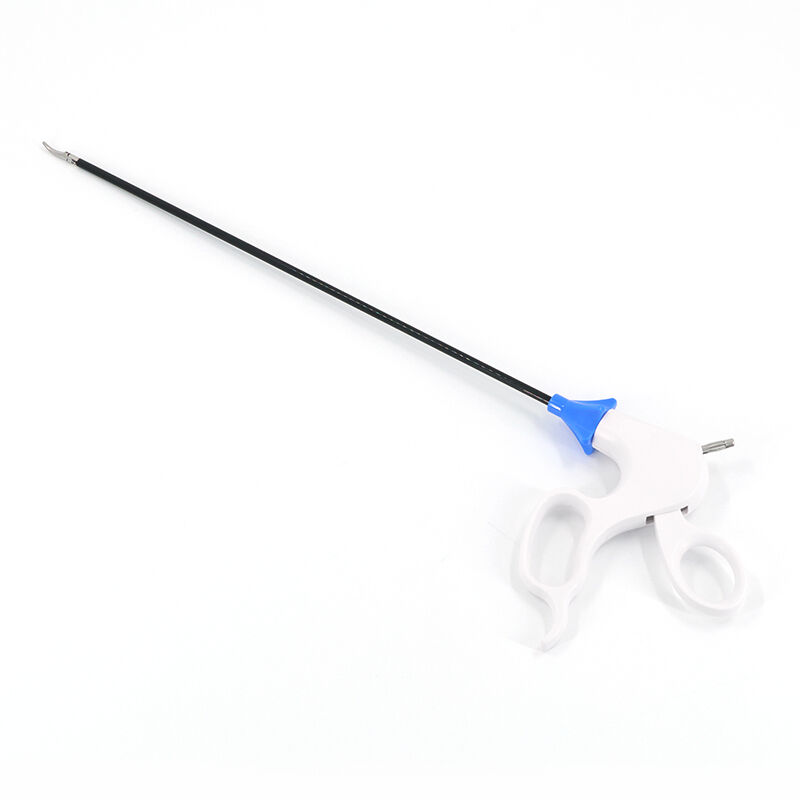
The field of minimally invasive surgery has undergone a dramatic transformation over the past decade, and at the heart of this evolution lies a new generation of laparoscopic instruments. These tools have moved far beyond their original mechanical designs, incorporating advanced materials, digital integration, and ergonomic intelligence that redefine what surgeons can accomplish inside the operating room. As surgical teams demand greater precision, faster recovery outcomes, and improved patient safety, the innovation pressure on laparoscopic instruments has never been more intense.
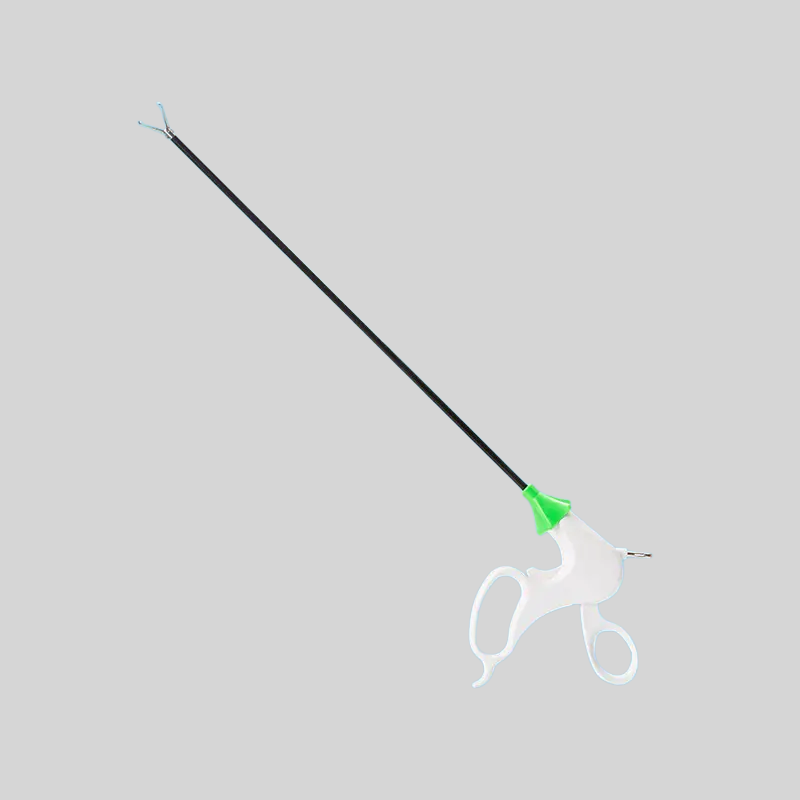
Understanding what is shaping modern laparoscopic instruments today requires examining multiple layers of innovation simultaneously. From smart sensor-embedded handles to single-use disposable platforms, the changes are both technological and operational in nature. This article explores the key innovations transforming laparoscopic instruments across design, functionality, materials science, and surgical integration — giving procurement specialists, surgical directors, and clinical engineers a clear picture of where the industry stands and where it is heading.
Smarter Design and Ergonomic Engineering
Redefining Handle Architecture
One of the most visible innovations in modern laparoscopic instruments is the transformation of handle design. Traditional pistol-grip handles were functional but often caused surgeon fatigue during long procedures. Today's handle architectures are ergonomically sculpted based on biomechanical research, reducing the muscular load on the surgeon's hand and wrist over extended operating times. This matters enormously in complex procedures such as laparoscopic cholecystectomy or colorectal resections that can exceed several hours.
Innovations like ratchet-integrated handles have added mechanical precision to the control mechanism, allowing surgeons to lock tissue graspers in position without continuously applying force. A good example is the laparoscopic instruments category that features color-coded knob systems paired with ratchet mechanisms, which improve tactile identification and reduce operational error during high-pressure scenarios. The color-coding element also helps distinguish instruments by function during multi-tool procedures, reducing the risk of wrong-instrument deployment.
Beyond the ratchet, modern handles increasingly incorporate rotational freedom, allowing the instrument shaft to rotate 360 degrees independently of the handle. This feature dramatically expands the operative range without requiring the surgeon to reposition their body or the trocar entry point. When combined with slender shaft profiles, these redesigned handles enable far more nuanced tissue manipulation than older generations of laparoscopic instruments allowed.
Shaft and Tip Precision Advancements
The shaft and tip region of laparoscopic instruments has also seen focused innovation. Ultra-thin shaft diameters, sometimes as small as 3mm for pediatric or reduced-port applications, are now available without sacrificing structural rigidity. Manufacturers are achieving this through advanced polymer blending and stainless-steel alloy engineering that distributes mechanical stress more evenly along the shaft length.
At the distal tip, jaw geometry has become increasingly specialized. Fenestrated graspers, atraumatic tip profiles, and angled jaw configurations now exist for highly specific tissue types — from delicate bowel walls to dense fibrous adhesions. These tip designs give surgeons the ability to apply appropriate force gradients that reduce tissue trauma while maintaining secure grip, a balance that previous generations of laparoscopic instruments often could not achieve reliably.
The Rise of Disposable Laparoscopic Instrument Platforms
Infection Control and Sterilization Economics
The transition from reusable to disposable laparoscopic instruments is one of the most consequential operational shifts in modern surgical practice. Traditionally, reusable instruments required rigorous cleaning, sterilization, and maintenance protocols between procedures. Despite these protocols, the risk of cross-contamination remained a documented concern, and cumulative wear degraded performance over time, particularly in the jaw articulation and insulation integrity of electrosurgical instruments.
Disposable laparoscopic instruments eliminate these concerns entirely. Each procedure begins with a sterile, factory-fresh tool whose performance characteristics are guaranteed by the manufacturer. Hospital sterile processing departments also benefit from reduced workload and instrument tracking complexity. While the per-unit cost of disposable instruments is higher, total cost-of-ownership analyses increasingly favor disposable platforms when accounting for sterilization labor, equipment depreciation, and liability risk associated with instrument failure.
This trend is particularly relevant in high-throughput surgical centers and ambulatory surgery environments where turnaround speed between cases is a priority metric. Disposable laparoscopic instruments support faster room preparation cycles and reduce scheduling bottlenecks caused by instrument reprocessing delays.
Consistent Performance Across High-Volume Settings
Another dimension of the disposable platform innovation is performance consistency. With reusable laparoscopic instruments, performance can degrade subtly after each use cycle. Jaw springs weaken, insulation layers thin, and ratchet mechanisms lose their click precision. Surgeons may not always notice this gradual degradation, but it introduces variability into procedures that demand exactness.
Disposable instruments address this variability problem at its root. Each unit delivers identical mechanical characteristics regardless of how many prior procedures the hospital has performed. For surgical training environments and academic medical centers where residents are developing technique, this consistency in laparoscopic instruments provides a more reliable educational substrate. Trainees learn on tools that behave predictably, improving skill transfer to real clinical scenarios.
Material Science Breakthroughs in Instrument Construction
Advanced Polymer and Composite Integration
Materials innovation is reshaping the physical composition of laparoscopic instruments from the inside out. Medical-grade polymers are now used not just for handle components but increasingly for shaft construction in disposable models. These materials offer excellent strength-to-weight ratios, MRI compatibility, and resistance to the thermal stresses introduced by sterilization processes or electrosurgical energy transmission.
Composite material structures — combining stainless steel cores with polymer overmolding — deliver the rigidity of metal with the tactile grip and insulation properties of advanced plastics. For electrosurgical laparoscopic instruments, multi-layer insulation coatings have become a critical safety feature. These coatings prevent stray energy discharge, which has historically been a source of unintended thermal injuries during monopolar and bipolar procedures.
Color-coded polymer elements, such as the distinctively colored knobs now featured across many grasper product lines, serve both ergonomic and functional purposes. They allow for rapid visual identification during instrument handoffs between scrub nurses and surgeons, reducing time lost during high-tempo operative phases. This seemingly small design detail reflects how materials and usability thinking are now deeply integrated in the development of laparoscopic instruments.
Biocompatibility and Regulatory Compliance
As global regulatory frameworks tighten around medical device materials, manufacturers of laparoscopic instruments are investing heavily in biocompatibility testing and material certification. ISO 10993 compliance, which governs the biological evaluation of medical devices, is now a baseline expectation rather than an optional validation step. This ensures that instrument materials do not elicit adverse biological responses even in the event of direct tissue contact during complex dissection maneuvers.
Material traceability is also gaining importance. Hospitals and surgical centers increasingly require documentation showing the full composition and supply chain of every component in their laparoscopic instruments. This demand is driven partly by regulatory compliance and partly by risk management practices in organizations that have experienced past recalls or adverse event reporting. Manufacturers who can provide granular material traceability are gaining competitive trust in institutional procurement processes.
Digital Integration and Surgical Intelligence
Sensor-Embedded Instruments and Force Feedback
Perhaps the most forward-looking innovation in laparoscopic instruments is the integration of sensing technology directly into the instrument body. Force-sensing graspers, for instance, can measure the actual gripping force applied to tissue and relay this information to a display or haptic feedback system. This addresses one of the fundamental limitations of laparoscopic surgery — the loss of tactile sensation inherent in working through a trocar and rigid instrument shaft.
Without direct touch feedback, surgeons historically relied entirely on visual cues and experiential judgment to gauge tissue fragility and appropriate grip force. Sensor-embedded laparoscopic instruments restore a form of this feedback loop, allowing surgeons to apply quantified, repeatable force levels that can be documented as part of the procedural record. This is particularly valuable in oncological procedures where tissue preservation boundaries are critical, and in bariatric surgery where diverse tissue densities are encountered within a single case.
The data generated by these smart laparoscopic instruments also has implications for training and quality improvement. Surgical performance metrics derived from instrument sensor data can be analyzed to identify technique variations between surgeons, detect early signs of fatigue-induced force creep, and support competency benchmarking in training programs. This convergence of instrumentation and data science represents a significant leap in how surgical performance is understood and improved.
Connectivity with Robotic and Visualization Platforms
Modern laparoscopic instruments are increasingly designed with compatibility in mind relative to robotic surgical platforms and advanced visualization systems. While fully robotic surgery relies on its own proprietary instrument sets, a large proportion of minimally invasive procedures still use conventional laparoscopic approaches augmented by robotic camera systems, 3D endoscopes, and augmented reality overlays. Instruments designed to work harmoniously within these hybrid environments offer surgeons expanded capability without requiring a complete transition to robotic platforms.
Fluorescence-compatible instruments represent another integration milestone. As near-infrared fluorescence imaging becomes standard for bile duct identification, perfusion assessment, and sentinel node mapping, laparoscopic instruments must be designed with materials and coatings that do not interfere with fluorescence wavelengths. This requires close collaboration between instrument engineers and imaging system developers — a cross-disciplinary dialogue that is accelerating throughout the industry.
Sustainability and Environmental Responsibility
Balancing Disposability with Environmental Impact
The growth of disposable laparoscopic instruments has prompted serious discussion about environmental sustainability within healthcare systems. Single-use plastic and composite medical devices contribute to operating room waste streams, and hospitals increasingly face institutional sustainability mandates. In response, manufacturers are exploring recyclable material compositions, bio-based polymers, and take-back programs designed to divert used instruments from landfill streams.
Some organizations are also conducting full lifecycle assessments of their laparoscopic instruments to compare the environmental footprint of single-use versus reusable models across the entire use cycle including manufacturing, transport, sterilization energy, and disposal. These assessments often reveal that the energy and chemical inputs of repeated sterilization cycles for reusable instruments are not as environmentally neutral as assumed, adding nuance to the sustainability debate.
Modular and Hybrid Instrument Concepts
An emerging design philosophy in laparoscopic instruments is the modular approach, where certain components are disposable and others are durable and reusable across multiple procedures. In this model, the handle and shaft — which do not contact tissue directly — may be sterilized and reused, while the jaw assembly and tip, which do contact tissue, are replaced as single-use cartridges for each procedure. This hybrid architecture aims to balance the infection control benefits of disposability with the resource efficiency of reuse.
Modular systems also simplify storage and inventory management. Rather than stocking complete instruments across a range of tip types, a hospital's supply chain can maintain a smaller inventory of reusable handles paired with a diverse portfolio of single-use jaw tips. This flexibility is particularly appealing to ambulatory surgery centers and smaller hospitals where storage space and capital procurement budgets for laparoscopic instruments are constrained.
FAQ
What makes modern laparoscopic instruments different from older designs?
Modern laparoscopic instruments differ from older designs in several important ways. They incorporate advanced ergonomic handles that reduce surgeon fatigue, use high-grade materials that improve performance and biocompatibility, and increasingly feature smart sensor integration for force feedback and data capture. Disposable platform designs have also eliminated many of the performance degradation and sterilization reliability concerns that affected older reusable instruments.
Why is the shift to disposable laparoscopic instruments growing so rapidly?
The shift toward disposable laparoscopic instruments is driven by infection control improvements, consistent per-procedure performance, and total cost-of-ownership calculations that increasingly favor single-use tools over reusable ones when sterilization costs, labor, and instrument wear are fully accounted for. Regulatory scrutiny of sterilization quality and cross-contamination risk has also accelerated this transition in many hospital systems globally.
How do sensor-embedded laparoscopic instruments improve surgical outcomes?
Sensor-embedded laparoscopic instruments restore a form of tactile feedback that is otherwise absent in minimally invasive surgery. By measuring and communicating tissue grip force, these instruments help surgeons apply precise, consistent force levels that reduce the risk of inadvertent tissue damage. The data they generate can also support surgical training, performance benchmarking, and procedural documentation — all of which contribute to improved clinical outcomes over time.
Are disposable laparoscopic instruments environmentally sustainable?
This is an evolving area of the industry. While disposable laparoscopic instruments do contribute to medical waste, lifecycle assessment studies show that repeated sterilization of reusable instruments carries its own environmental burden through energy use and chemical consumption. Manufacturers are actively developing recyclable materials, take-back programs, and modular hybrid designs that aim to reduce the environmental footprint of single-use surgical tools without compromising safety or performance.