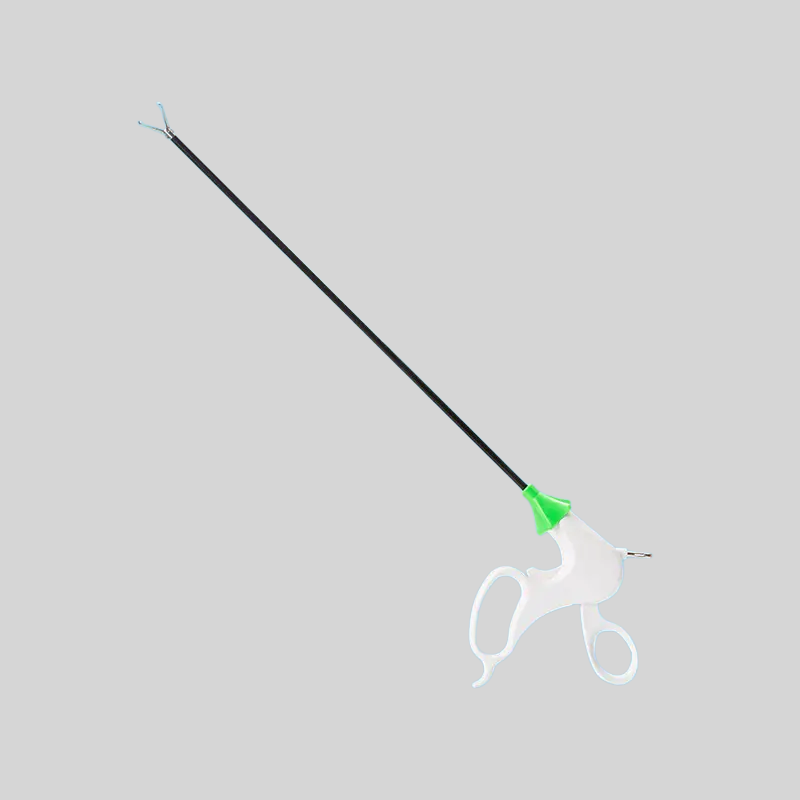
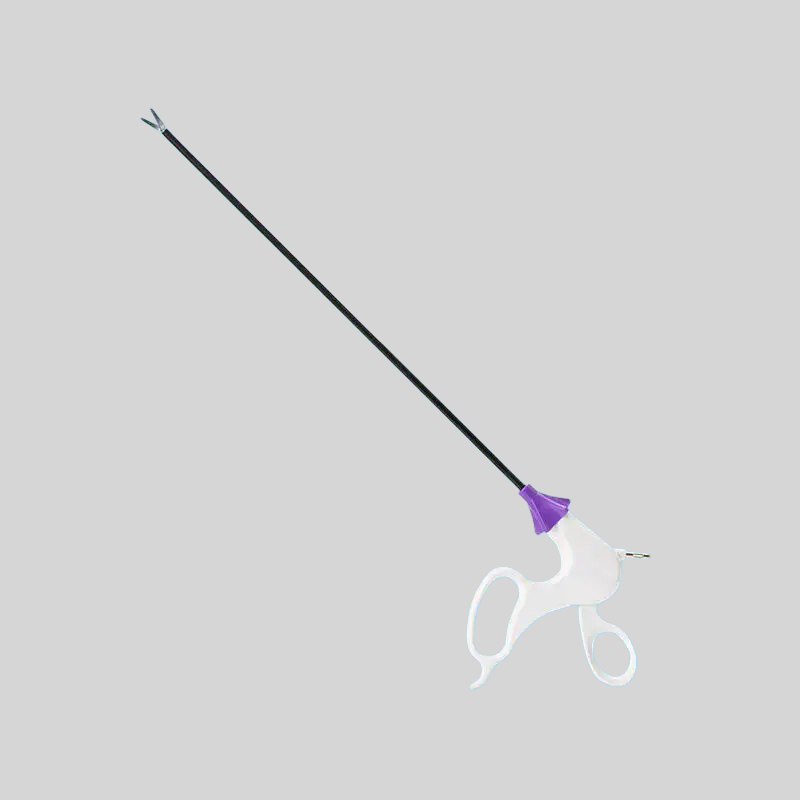
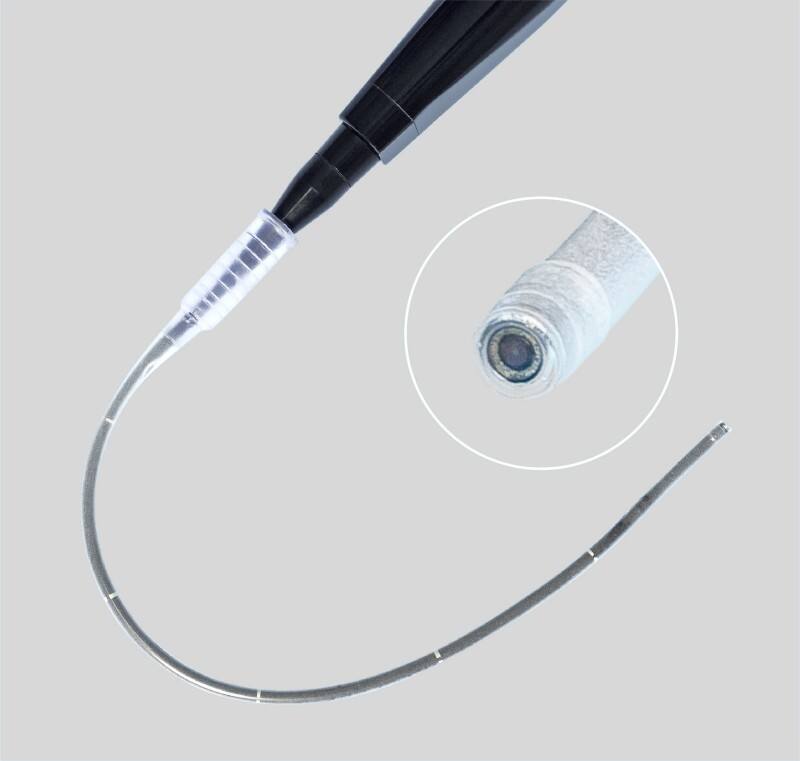
surgical specimen retrieval device
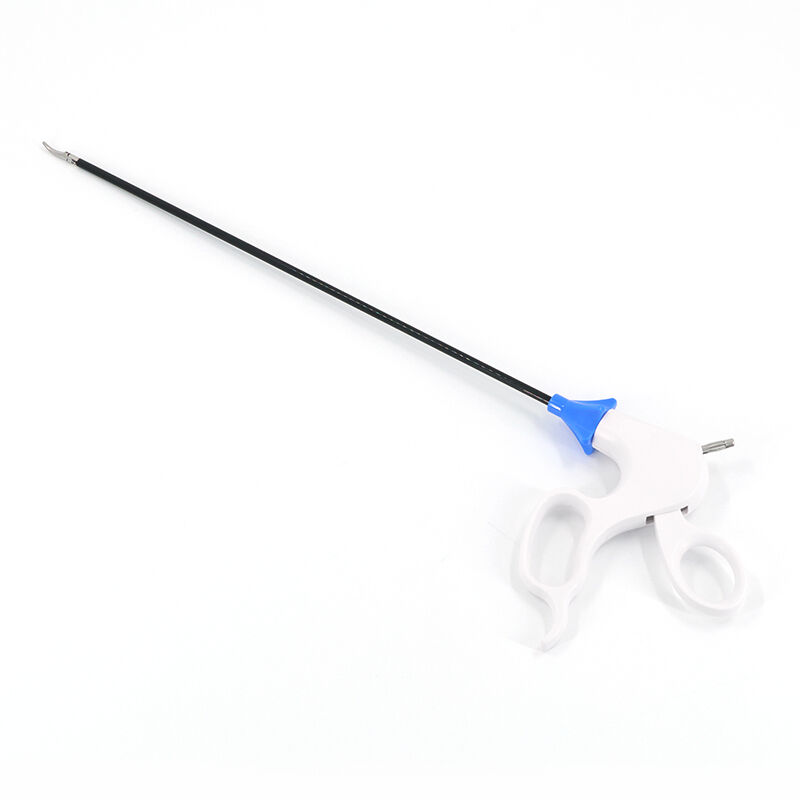
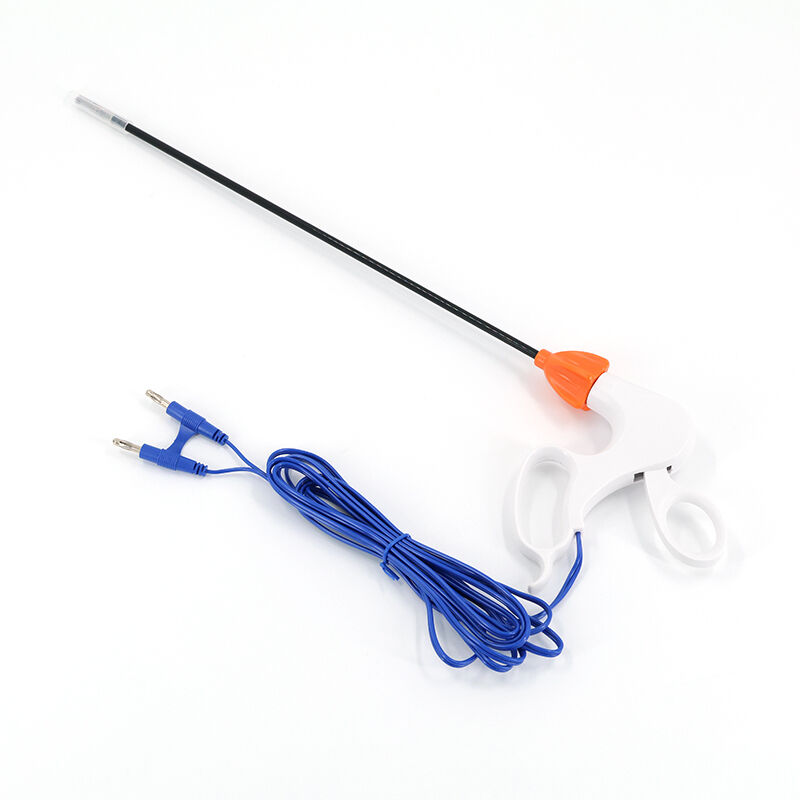
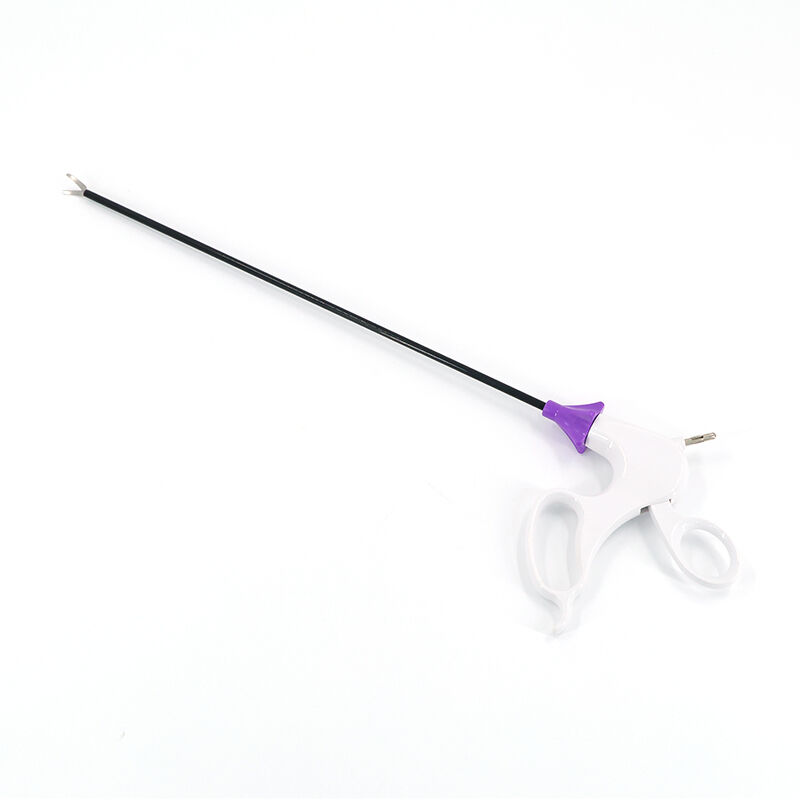
A surgical specimen retrieval device represents a critical advancement in minimally invasive surgical procedures, designed to safely extract tissue samples, organs, and other biological materials from the surgical site while maintaining specimen integrity. This sophisticated medical instrument serves as an essential bridge between precise surgical removal and laboratory analysis, ensuring that extracted materials remain uncontaminated and structurally preserved throughout the retrieval process. The surgical specimen retrieval device typically consists of a flexible or rigid collection bag system, integrated within a delivery mechanism that allows surgeons to position, open, and securely close the containment system around the target specimen. Modern surgical specimen retrieval devices incorporate advanced materials engineered to withstand the demanding conditions of surgical environments while providing optimal visibility and maneuverability for surgical teams. The primary function of these devices extends beyond simple collection, encompassing protection against specimen fragmentation, prevention of cross-contamination between different tissue types, and facilitation of safe specimen transport to pathology laboratories. Contemporary surgical specimen retrieval device designs feature multiple size configurations to accommodate various specimen dimensions, from small biopsy samples to larger organ segments. The technological sophistication of these instruments includes specialized closure mechanisms that create secure seals, preventing specimen loss or inadvertent spillage during extraction procedures. Many surgical specimen retrieval devices incorporate transparent or translucent materials that enable visual confirmation of specimen placement and complete containment before removal from the surgical site. The applications for surgical specimen retrieval devices span numerous medical specialties, including general surgery, gynecology, urology, thoracic surgery, and gastroenterology, where precise specimen collection directly impacts diagnostic accuracy and patient outcomes. These devices have become indispensable tools in laparoscopic and robotic surgical procedures, where traditional open surgical access is not available, requiring specialized instruments to maintain the benefits of minimally invasive techniques while ensuring comprehensive specimen retrieval capabilities.

 EN
EN