Advanced Endoscopic Retrieval Devices: Precision Medical Instruments for Minimally Invasive Procedures

Get a Free Quote

Our representative will contact you soon.
Email
Mobile/WhatsApp
Name
Company Name
Message
0/1000

endoscopic retrieval devices

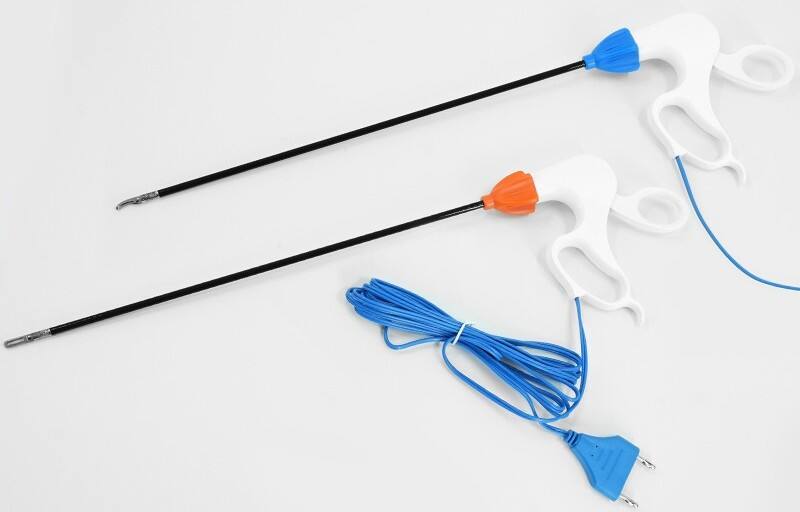
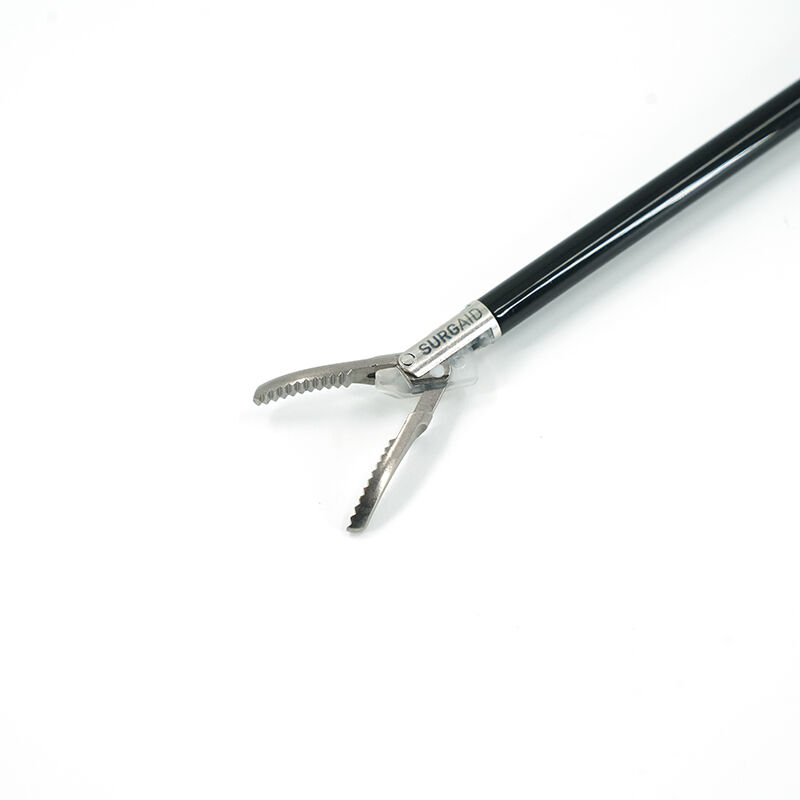
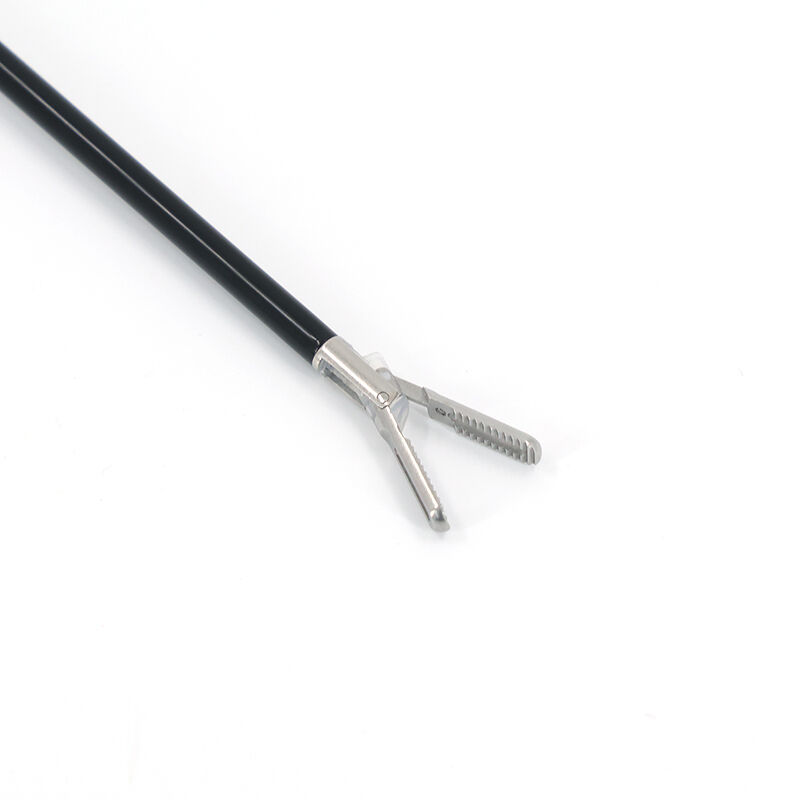
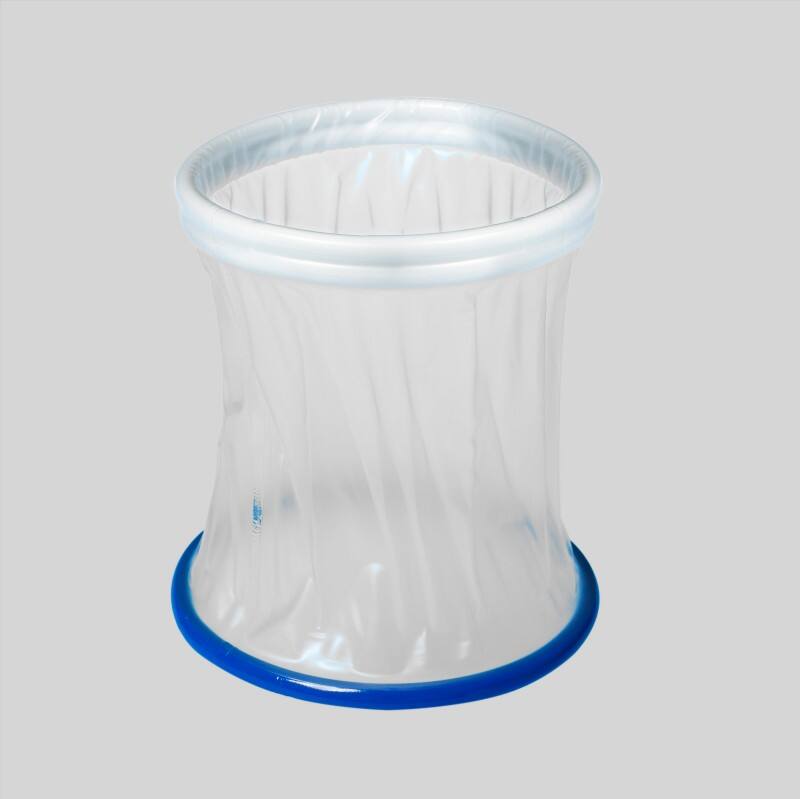
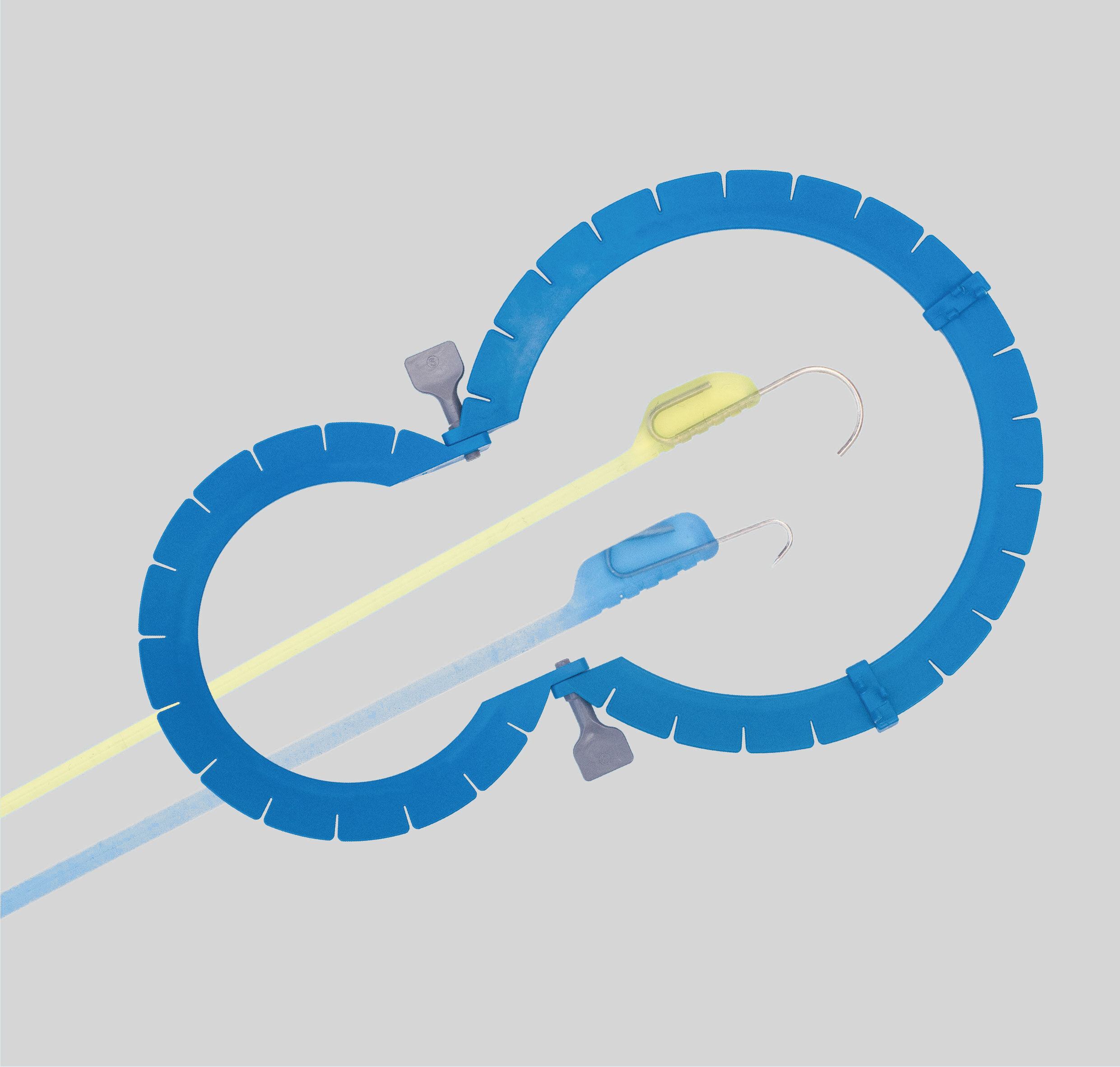
Endoscopic retrieval devices represent a revolutionary advancement in minimally invasive medical technology, designed to safely extract foreign objects, tissue samples, and polyps from within the human body through natural openings or small incisions. These sophisticated instruments combine precision engineering with cutting-edge materials to deliver exceptional performance in diagnostic and therapeutic procedures. The primary function of endoscopic retrieval devices involves capturing, grasping, and removing various materials from the gastrointestinal tract, respiratory system, and other internal body cavities without requiring major surgical intervention. Modern endoscopic retrieval devices incorporate flexible control mechanisms that allow physicians to navigate complex anatomical pathways with remarkable accuracy. The technological features of these devices include articulated jaws, variable grip strength settings, and compatibility with different endoscope models to ensure versatile application across medical specialties. Advanced materials such as stainless steel, nitinol alloys, and specialized polymers provide durability while maintaining the flexibility needed for delicate procedures. Many endoscopic retrieval devices feature ergonomic handles that reduce physician fatigue during extended procedures, while their compact design ensures easy sterilization and storage. The applications of endoscopic retrieval devices span multiple medical disciplines, including gastroenterology, pulmonology, urology, and emergency medicine. In gastroenterology, these devices excel at removing swallowed foreign objects, extracting tissue samples for biopsy, and eliminating polyps during colonoscopy procedures. Pulmonologists utilize endoscopic retrieval devices to clear obstructive materials from airways and collect lung tissue samples for diagnostic purposes. Emergency departments rely on these instruments to quickly remove ingested objects that pose immediate health risks. The precision control offered by endoscopic retrieval devices enables healthcare providers to perform complex retrievals while minimizing trauma to surrounding tissues, resulting in faster patient recovery times and reduced complications compared to traditional surgical approaches.
New Product Releases

Endoscopic retrieval devices offer numerous compelling advantages that transform how medical professionals approach object extraction and tissue sampling procedures. These innovative instruments significantly reduce patient trauma by eliminating the need for large surgical incisions, allowing procedures to be performed through natural body openings or minimal access points. Patients experience less pain, shorter hospital stays, and faster recovery periods when endoscopic retrieval devices are utilized instead of conventional surgical methods. The precision control mechanisms built into these devices enable surgeons to navigate tight spaces and delicate anatomical structures with confidence, reducing the risk of accidental tissue damage during procedures. Cost-effectiveness represents another major advantage, as endoscopic retrieval devices help hospitals reduce overall treatment expenses through shorter procedure times, decreased anesthesia requirements, and reduced post-operative care needs. Healthcare facilities benefit from improved operational efficiency when using endoscopic retrieval devices, as these instruments can be quickly sterilized and reused multiple times, maximizing their return on investment. The versatility of endoscopic retrieval devices allows medical professionals to address a wide range of clinical scenarios with a single instrument type, reducing inventory complexity and staff training requirements. Enhanced safety profiles distinguish endoscopic retrieval devices from traditional retrieval methods, as their controlled operation minimizes bleeding risks and reduces the likelihood of perforation or other serious complications. Real-time visualization capabilities provided by endoscopic systems allow physicians to monitor the entire retrieval process, ensuring optimal outcomes while maintaining patient safety throughout the procedure. The learning curve for endoscopic retrieval devices is relatively short, enabling medical staff to quickly master their operation and integrate them into existing protocols. Improved patient satisfaction scores result from the minimally invasive nature of procedures performed with endoscopic retrieval devices, as patients appreciate the reduced discomfort and faster return to normal activities. These devices also support better clinical decision-making by providing clear visualization of target objects or tissues before, during, and after retrieval, allowing for more accurate diagnoses and treatment planning.

Practical Tips

Building Core Competitive Advantage Through Technological Innovation and Quality Control

05

Feb

Building Core Competitive Advantage Through Technological Innovation and Quality Control

View More
Focusing On High-Value Medical Devices, Leveraging a Diversified Product Portfolio To Empower Clinical Minimally Invasive Treatments

05

Feb

Focusing On High-Value Medical Devices, Leveraging a Diversified Product Portfolio To Empower Clinical Minimally Invasive Treatments

View More
Deeply Engaged In The High-End Medical Consumables Field, With Innovation Driving The Development Of Minimally Invasive Surgery.

05

Feb

Deeply Engaged In The High-End Medical Consumables Field, With Innovation Driving The Development Of Minimally Invasive Surgery.

View More

Get a Free Quote

Our representative will contact you soon.
Email
Mobile/WhatsApp
Name
Company Name
Message
0/1000

endoscopic retrieval devices

Advanced Precision Control Technology

Advanced Precision Control Technology

The precision control technology integrated into modern endoscopic retrieval devices represents a breakthrough in medical instrument design, offering healthcare professionals unprecedented accuracy when performing delicate extraction procedures. This sophisticated control system features multiple articulation points that allow the device tip to bend and rotate in ways that mirror natural hand movements, providing surgeons with intuitive operation despite working through narrow endoscopic channels. The precision control mechanism incorporates feedback systems that transmit tactile sensations back to the operator, enabling them to gauge grip strength and tissue resistance in real-time. This haptic feedback prevents excessive force application that could damage delicate tissues while ensuring sufficient grip strength to securely hold retrieved objects. The control technology also includes fine-tuned response calibration that eliminates tremor amplification and provides smooth, steady movements even during extended procedures. Advanced endoscopic retrieval devices feature programmable control settings that can be customized for different procedure types, allowing medical professionals to optimize device behavior for specific clinical scenarios. The precision control system incorporates safety locks that prevent accidental activation during device positioning, while emergency release mechanisms provide instant object release when needed. Multi-axis control capabilities enable complex retrieval maneuvers in confined spaces, allowing surgeons to approach objects from optimal angles while avoiding critical anatomical structures. The control interface design prioritizes ergonomic comfort, reducing hand fatigue during lengthy procedures and maintaining steady performance throughout the entire operation. Integration with imaging systems provides real-time position feedback, allowing surgeons to precisely coordinate device movements with visual guidance. This precision control technology significantly improves success rates for challenging retrievals while minimizing procedure times and reducing patient exposure to anesthesia. The learning curve for mastering these advanced controls is minimal, thanks to intuitive design principles that leverage familiar hand movements and natural coordination patterns.
Superior Material Engineering and Durability

Superior Material Engineering and Durability

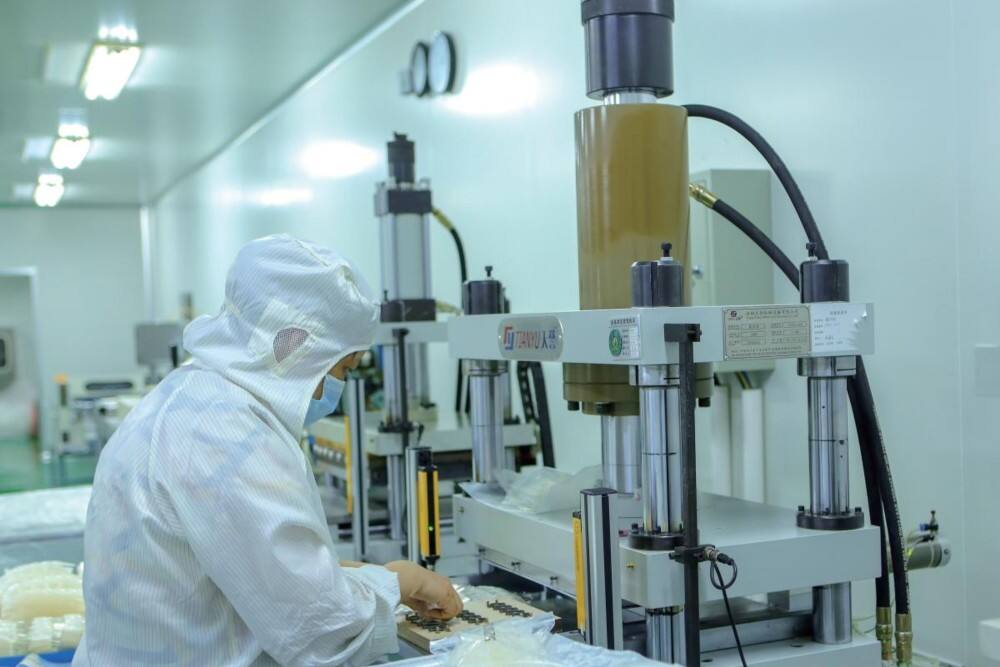
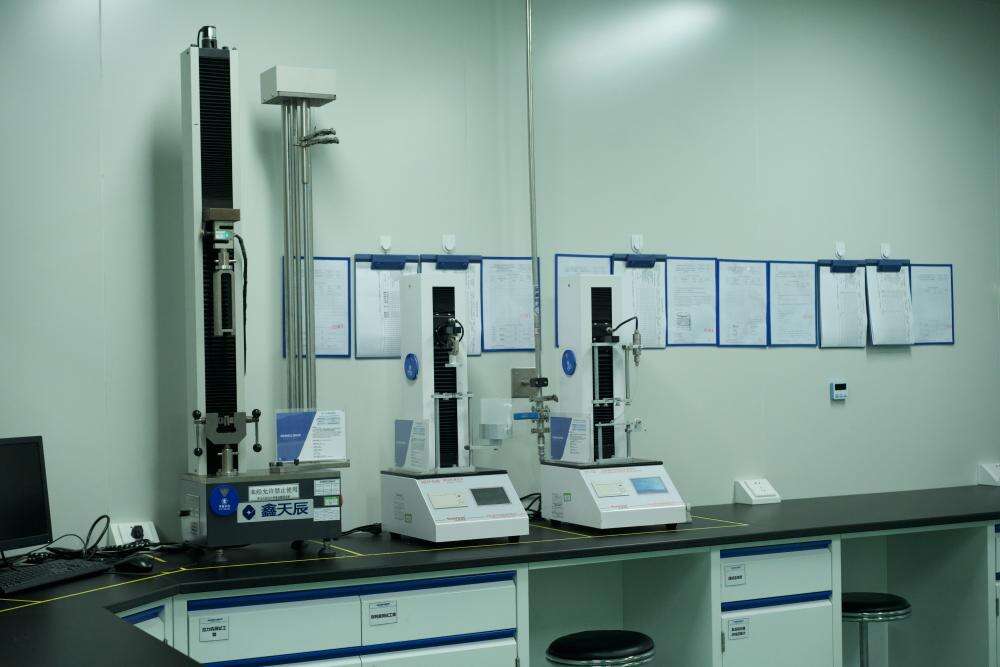
The superior material engineering behind endoscopic retrieval devices sets new standards for medical instrument durability and performance, utilizing cutting-edge alloys and specialized coatings that withstand the demanding conditions of repeated sterilization cycles while maintaining optimal functionality. These devices incorporate medical-grade stainless steel components that resist corrosion and maintain sharp edges throughout their operational lifespan, ensuring consistent gripping performance across thousands of uses. Advanced nitinol shape-memory alloys provide the flexible segments with exceptional elasticity and fatigue resistance, allowing the device to navigate tortuous anatomical pathways without permanent deformation or performance degradation. The material selection process prioritizes biocompatibility, ensuring that all components meet strict safety standards for direct tissue contact while minimizing the risk of adverse reactions or contamination. Specialized surface treatments and coatings enhance the gripping surfaces of endoscopic retrieval devices, providing superior traction on wet or slippery objects while preventing tissue adhesion that could complicate withdrawal procedures. The engineering team optimizes material combinations to achieve the ideal balance between flexibility and strength, enabling these devices to handle both delicate tissue samples and robust foreign objects with equal effectiveness. Advanced manufacturing techniques ensure consistent material properties throughout each device, eliminating weak points that could lead to failure during critical procedures. The materials used in endoscopic retrieval devices undergo rigorous testing protocols that simulate years of clinical use, guaranteeing long-term reliability and performance consistency. Innovative polymer components provide electrical insulation where needed while maintaining the mechanical properties required for precise control and reliable operation. The material engineering also addresses ease of cleaning and sterilization, with smooth surfaces and minimal crevices that prevent bacterial accumulation and ensure thorough decontamination between uses. These superior materials contribute to reduced replacement costs and improved inventory management for healthcare facilities, as the extended lifespan of endoscopic retrieval devices minimizes procurement frequency while maintaining high performance standards throughout their service life.
Comprehensive Clinical Versatility and Applications

Comprehensive Clinical Versatility and Applications

The comprehensive clinical versatility of endoscopic retrieval devices makes them indispensable tools across multiple medical specialties, offering healthcare professionals a single instrument solution for diverse retrieval challenges that would traditionally require specialized equipment for each application. These devices excel in gastroenterology applications, where they safely remove swallowed foreign objects ranging from small coins to larger items that pose obstruction risks, while their gentle gripping action prevents esophageal or gastric perforation during extraction procedures. In colonoscopy applications, endoscopic retrieval devices provide precise polyp removal capabilities, allowing gastroenterologists to extract tissue samples of varying sizes while maintaining clear visualization throughout the procedure. Emergency medicine departments rely on these versatile instruments for rapid foreign object removal in pediatric and adult patients, with their quick deployment capability enabling immediate intervention when time-critical situations arise. Pulmonology applications demonstrate the adaptability of endoscopic retrieval devices, as they effectively clear mucus plugs, remove aspirated materials, and extract tissue samples for diagnostic testing while working within the confined spaces of bronchial passages. The devices prove equally valuable in urological procedures, where they assist with stone fragment removal and tissue sampling in the urinary tract, providing urologists with precise control in sensitive anatomical areas. Otolaryngology applications showcase another dimension of clinical versatility, with endoscopic retrieval devices facilitating foreign object removal from nasal passages and upper respiratory tract while minimizing patient discomfort. The compatibility of these devices with various endoscope diameters and working channel sizes ensures seamless integration into existing procedural workflows across different medical departments. Advanced endoscopic retrieval devices feature interchangeable tip configurations that optimize performance for specific clinical scenarios, allowing healthcare providers to customize the instrument for particular object types or anatomical locations. Training requirements remain minimal due to the intuitive operation principles that transfer across different clinical applications, enabling medical staff to quickly become proficient with these versatile instruments regardless of their primary specialty focus.
Advanced Endoscopic Retrieval Devices: Precision Medical Instruments for Minimally Invasive Procedures

Get a Free Quote

Our representative will contact you soon.
Email
Mobile/WhatsApp
Name
Company Name
Message
0/1000