Advanced Laparoscopic Bag Retrieval Device - Safe Specimen Extraction for Minimally Invasive Surgery

Get a Free Quote

Our representative will contact you soon.
Email
Mobile/WhatsApp
Name
Company Name
Message
0/1000

laparoscopic bag retrieval device

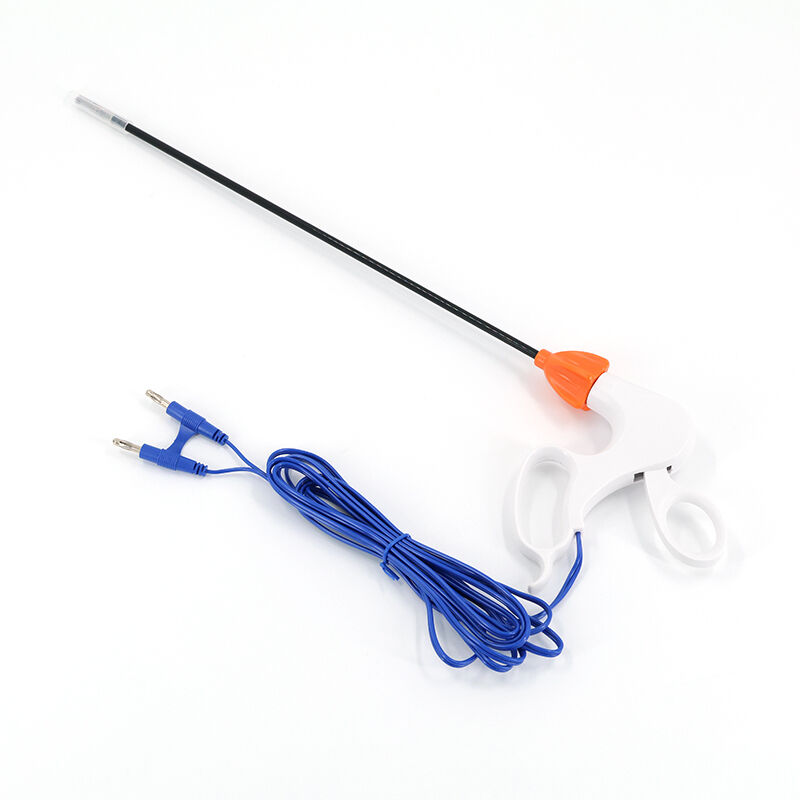
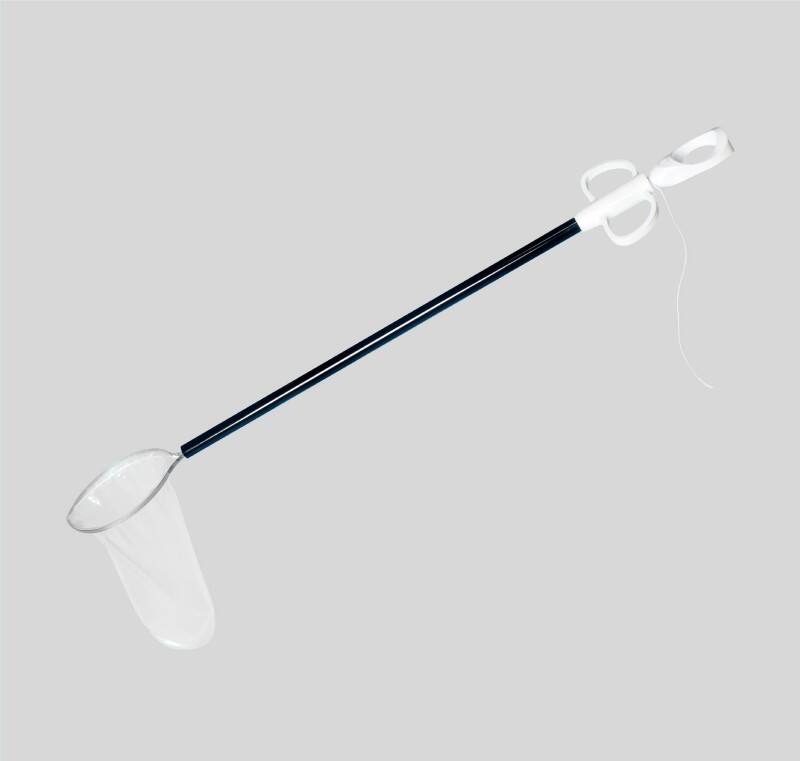
The laparoscopic bag retrieval device represents a critical advancement in minimally invasive surgical technology, designed specifically to safely extract specimens, tissues, and foreign objects during laparoscopic procedures. This specialized medical instrument consists of a flexible bag mechanism that can be deployed through small trocar ports, typically ranging from 5mm to 15mm in diameter. The primary function of this device centers on containing and removing biological specimens while preventing contamination of the surgical site and surrounding tissues. Modern laparoscopic bag retrieval devices incorporate sophisticated engineering features including puncture-resistant materials, secure closure mechanisms, and ergonomic deployment systems that enable surgeons to perform precise specimen extraction with minimal tissue trauma. The technological framework of these devices utilizes biocompatible polymers and reinforced fabric constructions that maintain structural integrity under various surgical conditions. Advanced models feature integrated drawstring mechanisms, reinforced handles, and transparent or semi-transparent materials that allow visual confirmation of specimen placement. The deployment system typically involves a trocar-compatible introduction mechanism that allows the collapsed bag to be inserted through standard laparoscopic ports before expansion within the surgical cavity. Applications for laparoscopic bag retrieval devices span numerous surgical specialties including general surgery, gynecology, urology, and oncology. These instruments prove essential during procedures such as cholecystectomy, appendectomy, nephrectomy, hysterectomy, and various tumor resection operations. The device effectively addresses the challenge of specimen morcellation and extraction while maintaining the sterile environment crucial for successful laparoscopic outcomes. Contemporary laparoscopic bag retrieval systems also incorporate enhanced visualization features and improved maneuverability characteristics that facilitate complex surgical procedures requiring precise specimen handling and extraction protocols.
New Product Recommendations

The laparoscopic bag retrieval device delivers substantial benefits that directly improve surgical outcomes and patient safety during minimally invasive procedures. Healthcare facilities gain significant advantages through reduced contamination risks, as the device creates a protective barrier that prevents spillage of potentially infectious materials or malignant cells into the peritoneal cavity. This containment capability proves crucial during oncological procedures where preventing tumor seeding becomes paramount for long-term patient prognosis. Surgeons experience enhanced procedural efficiency through streamlined specimen extraction processes that eliminate the need for complex morcellation techniques or conversion to open surgical approaches. The device reduces operative time by providing a straightforward method for specimen removal that maintains the integrity of the minimally invasive approach. Patients benefit from decreased postoperative complications, including reduced infection rates and faster recovery times associated with maintained laparoscopic access. The systematic approach to specimen extraction minimizes tissue manipulation and reduces the likelihood of iatrogenic injuries during the retrieval process. Cost-effectiveness emerges as a significant advantage for healthcare institutions, as the device helps avoid expensive complications while supporting shorter hospital stays and reduced readmission rates. The reliable containment features prevent costly post-surgical infections and complications that could result from specimen spillage or contamination events. Surgical teams appreciate the improved workflow efficiency that results from standardized extraction protocols and reduced procedural complexity. The device supports better surgical planning by providing predictable extraction capabilities that allow surgeons to maintain consistent laparoscopic approaches across various procedure types. Quality assurance benefits include enhanced specimen integrity for pathological examination, as the protective environment prevents fragmentation or contamination that could compromise diagnostic accuracy. Training advantages emerge through simplified extraction techniques that reduce the learning curve for laparoscopic procedures and support consistent outcomes across different surgeon experience levels. The device also contributes to improved patient satisfaction through maintained cosmetic benefits of laparoscopic surgery while ensuring comprehensive specimen removal and optimal surgical results.

Practical Tips

Building Core Competitive Advantage Through Technological Innovation and Quality Control

05

Feb

Building Core Competitive Advantage Through Technological Innovation and Quality Control

View More
Focusing On High-Value Medical Devices, Leveraging a Diversified Product Portfolio To Empower Clinical Minimally Invasive Treatments

05

Feb

Focusing On High-Value Medical Devices, Leveraging a Diversified Product Portfolio To Empower Clinical Minimally Invasive Treatments

View More
Deeply Engaged In The High-End Medical Consumables Field, With Innovation Driving The Development Of Minimally Invasive Surgery.

05

Feb

Deeply Engaged In The High-End Medical Consumables Field, With Innovation Driving The Development Of Minimally Invasive Surgery.

View More

Get a Free Quote

Our representative will contact you soon.
Email
Mobile/WhatsApp
Name
Company Name
Message
0/1000

laparoscopic bag retrieval device

Advanced Containment Technology for Maximum Safety

Advanced Containment Technology for Maximum Safety

The laparoscopic bag retrieval device incorporates cutting-edge containment technology that revolutionizes specimen extraction safety during minimally invasive surgical procedures. This sophisticated system features multi-layered barrier construction utilizing medical-grade polymers engineered to prevent fluid leakage and particle migration throughout the extraction process. The advanced materials demonstrate exceptional puncture resistance while maintaining flexibility necessary for easy deployment and manipulation within confined surgical spaces. The containment mechanism operates through a secure closure system that creates an impermeable seal around extracted specimens, effectively eliminating the risk of contamination that could lead to serious postoperative complications. This technology proves particularly valuable during oncological procedures where preventing malignant cell dissemination becomes critical for patient outcomes and long-term survival rates. The bag construction incorporates reinforced seam technology that maintains structural integrity under various surgical stresses, including tissue manipulation, fluid pressure changes, and extraction forces. Healthcare professionals benefit from the confidence that comes with reliable containment, knowing that specimens remain securely isolated from healthy tissues throughout the removal process. The transparent or semi-transparent material composition allows surgeons to maintain visual confirmation of specimen placement and bag integrity during procedures, supporting informed decision-making and procedural accuracy. The containment system also features graduated size options that accommodate various specimen dimensions, from small tissue samples to larger organ segments, ensuring appropriate capacity for different surgical requirements. This versatility eliminates the need for multiple device types while providing consistent safety standards across diverse procedural applications. The advanced containment technology reduces liability concerns for healthcare facilities by providing documented protection against contamination events that could result in malpractice claims or regulatory issues. Quality control measures embedded within the containment system support compliance with medical device standards and surgical safety protocols essential for accreditation and patient care excellence.
Ergonomic Design Excellence for Optimal Surgical Performance

Ergonomic Design Excellence for Optimal Surgical Performance

The laparoscopic bag retrieval device showcases exceptional ergonomic design principles that enhance surgical performance and reduce operator fatigue during complex minimally invasive procedures. The instrument features an intuitive deployment mechanism that allows surgeons to efficiently position and expand the collection bag with minimal hand movements and reduced cognitive load. This streamlined operation process supports maintained focus on critical surgical tasks while ensuring reliable specimen extraction capabilities. The handle configuration incorporates biomechanically optimized grip surfaces that provide secure control even during extended procedures, reducing the risk of device slippage or unintended deployment issues. The activation mechanism requires minimal force application, supporting precise control that proves essential when working within confined anatomical spaces or around delicate structures. Surgeons appreciate the responsive feedback provided through tactile confirmation systems that indicate proper deployment and closure states without requiring visual verification that could distract from primary surgical objectives. The device dimensions align with standard laparoscopic instrumentation, ensuring seamless integration into existing surgical workflows and instrument setups. The lightweight construction reduces hand fatigue that commonly occurs during lengthy procedures, supporting sustained performance quality throughout complex operations. The ergonomic advantages extend to the learning curve benefits, as the intuitive design principles allow surgical teams to quickly master device operation techniques, reducing training time and supporting consistent procedural outcomes. The balanced weight distribution prevents wrist strain and promotes natural hand positioning that aligns with standard laparoscopic manipulation techniques. The smooth operation mechanism eliminates jerky movements or sudden deployment actions that could cause tissue trauma or compromise surgical precision. These ergonomic features contribute to improved surgical flow by reducing procedural interruptions and supporting seamless transitions between extraction phases and other surgical tasks. The comfort-focused design elements help maintain surgeon concentration and decision-making capabilities during critical moments of specimen extraction and procedural completion.
Versatile Application Range for Comprehensive Surgical Support

Versatile Application Range for Comprehensive Surgical Support

The laparoscopic bag retrieval device demonstrates remarkable versatility across multiple surgical specialties, providing comprehensive support for diverse procedural requirements and specimen extraction challenges. This adaptability stems from innovative design features that accommodate varying tissue types, specimen sizes, and surgical approaches while maintaining consistent safety and performance standards. General surgery applications include gallbladder extraction during cholecystectomy procedures, appendix removal during appendectomy operations, and various soft tissue specimen collection during exploratory or diagnostic procedures. The device proves invaluable during bariatric surgery when secure specimen containment becomes essential for preventing contamination while maintaining the minimally invasive approach that supports optimal patient recovery. Gynecological applications encompass ovarian cyst removal, fibroid extraction, and complete hysterectomy procedures where the device enables safe tissue removal while protecting surrounding reproductive structures. Urological procedures benefit from the device during nephrectomy operations, prostate tissue extraction, and bladder lesion removal where precise containment prevents urine contamination and supports sterile surgical conditions. Oncological surgery represents a critical application area where the laparoscopic bag retrieval device prevents tumor seeding through secure containment of malignant tissues during resection procedures. The device supports various cancer treatment protocols by ensuring complete specimen removal while maintaining the cancer prevention standards essential for successful treatment outcomes. Emergency surgical applications demonstrate the device flexibility during trauma procedures where rapid specimen extraction becomes necessary while maintaining patient stability and surgical sterility. The versatile sizing options accommodate specimens ranging from small tissue biopsies to large organ segments, eliminating the need for procedure-specific devices and supporting standardized surgical approaches. Pediatric surgical applications benefit from scaled device options that provide appropriate capacity for smaller anatomical spaces while maintaining full functionality and safety standards. The comprehensive application range supports surgical training programs by providing consistent extraction techniques across multiple specialties, enabling residents and fellows to develop transferable skills that enhance their overall laparoscopic competency and procedural confidence levels.
Advanced Laparoscopic Bag Retrieval Device - Safe Specimen Extraction for Minimally Invasive Surgery

Get a Free Quote

Our representative will contact you soon.
Email
Mobile/WhatsApp
Name
Company Name
Message
0/1000