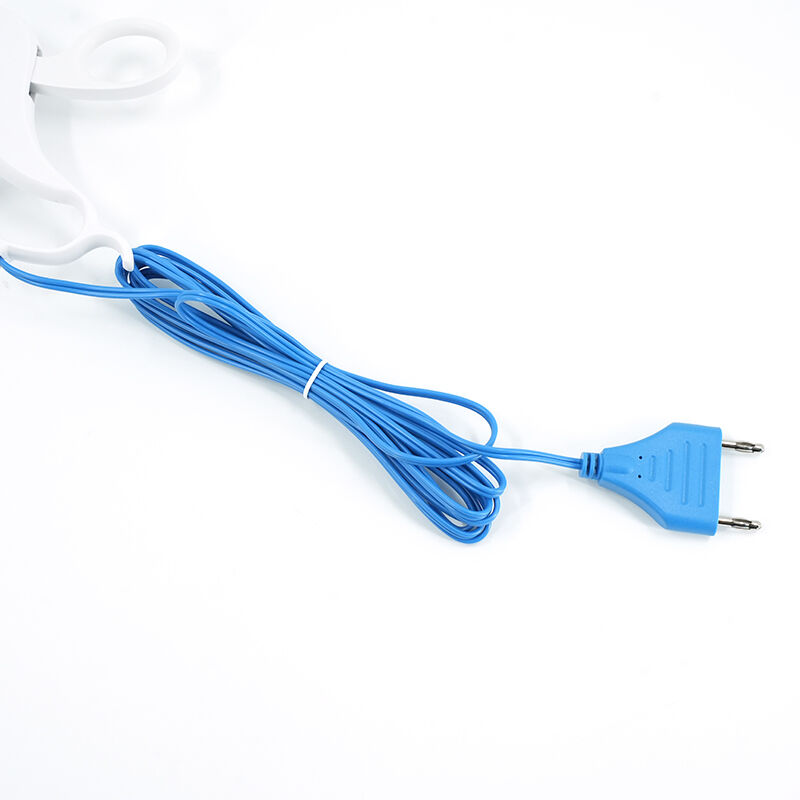
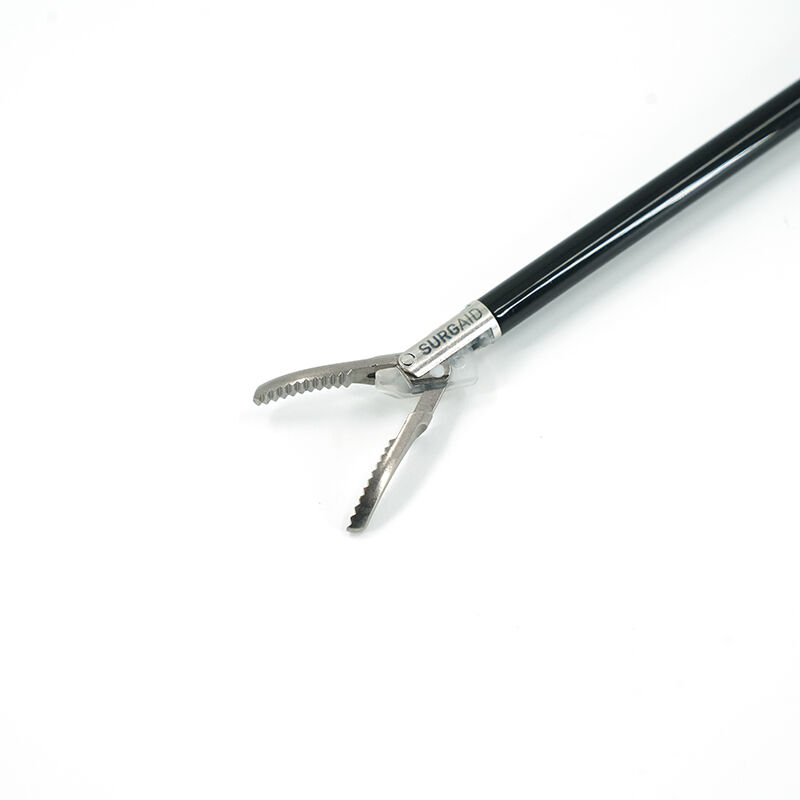
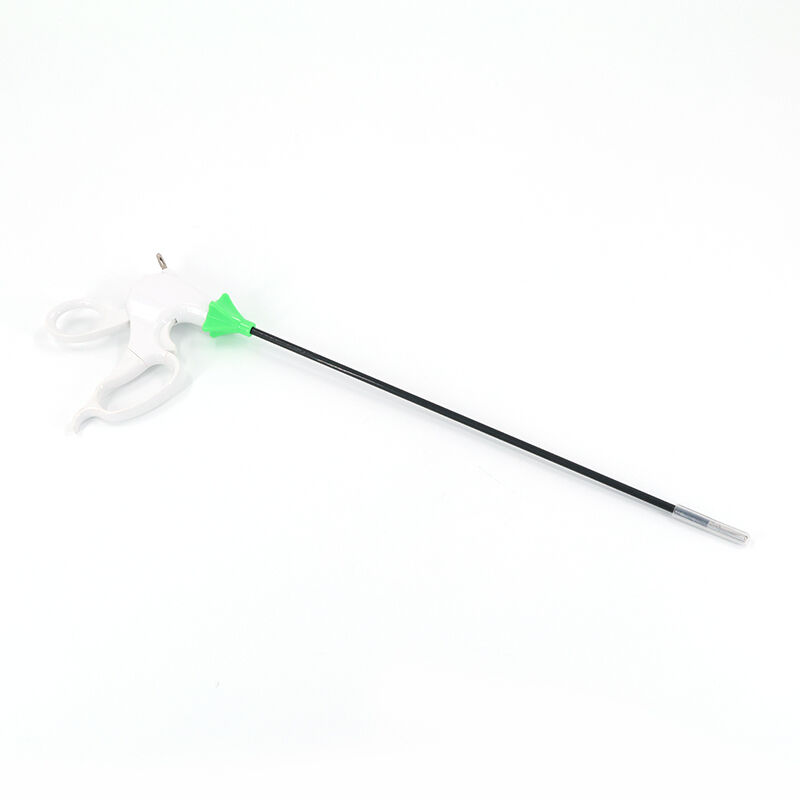
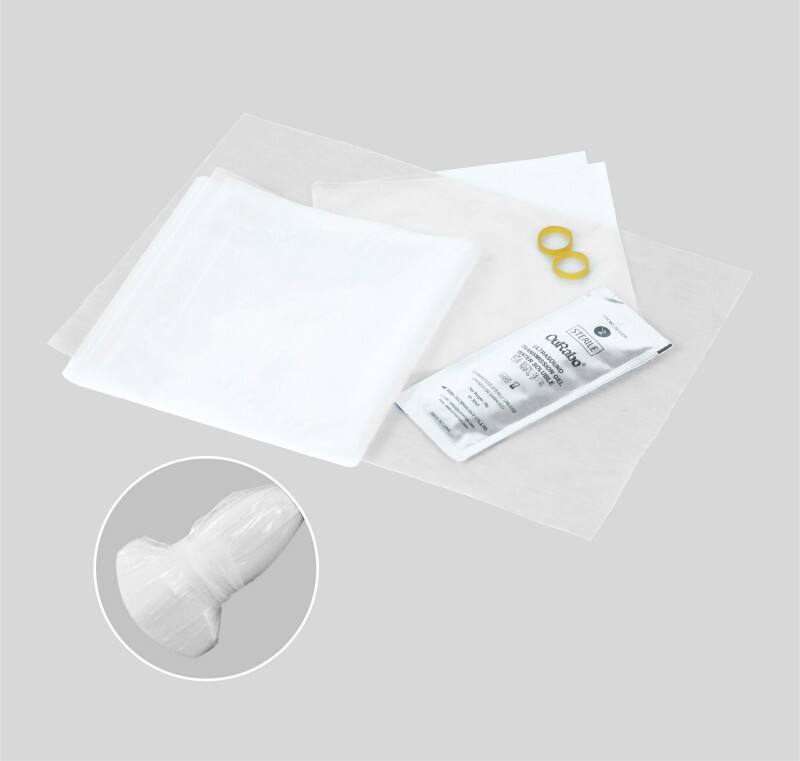
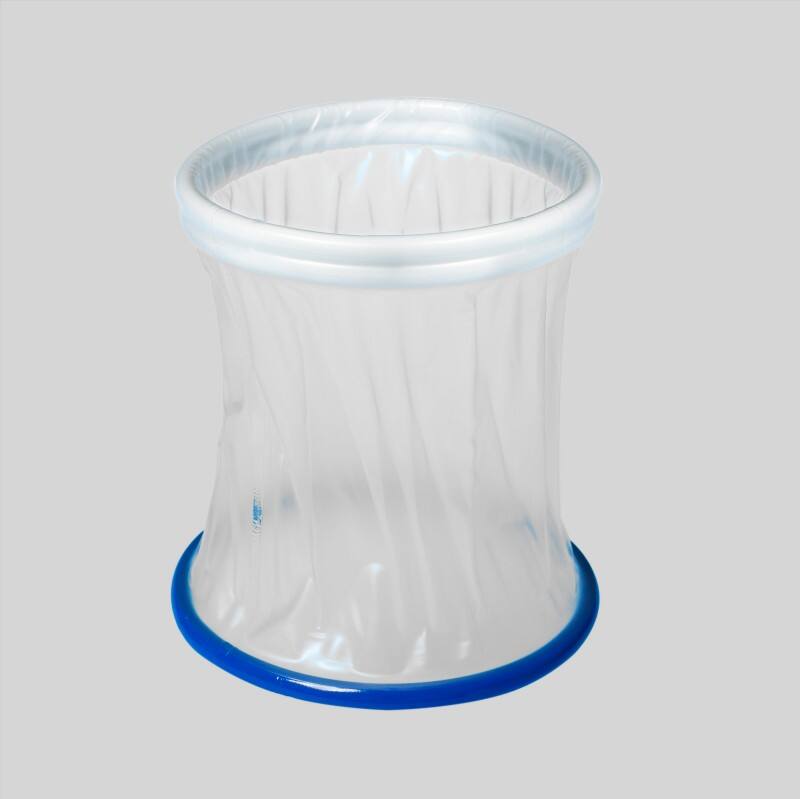
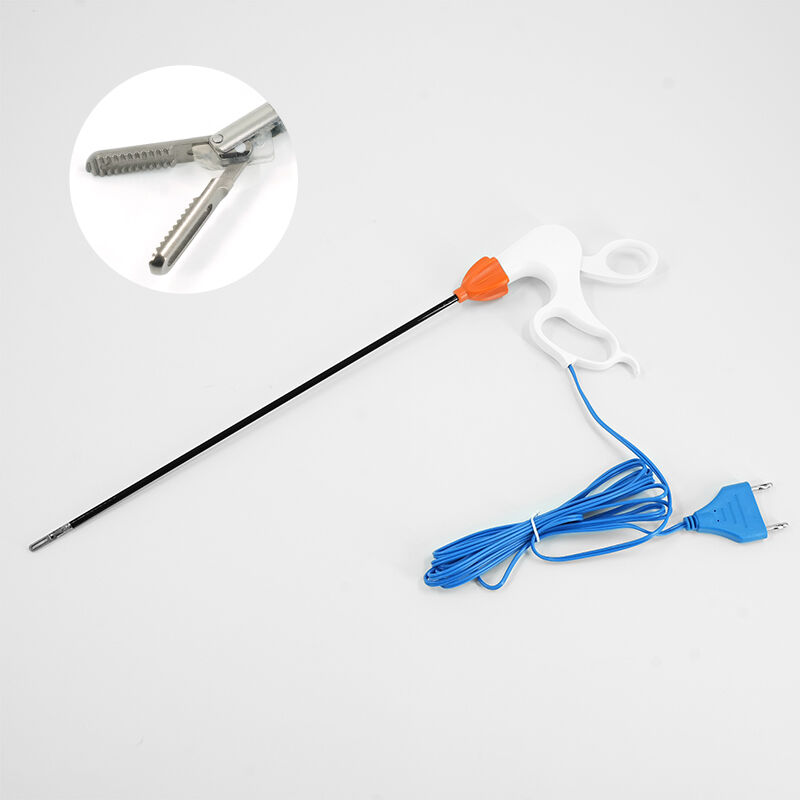
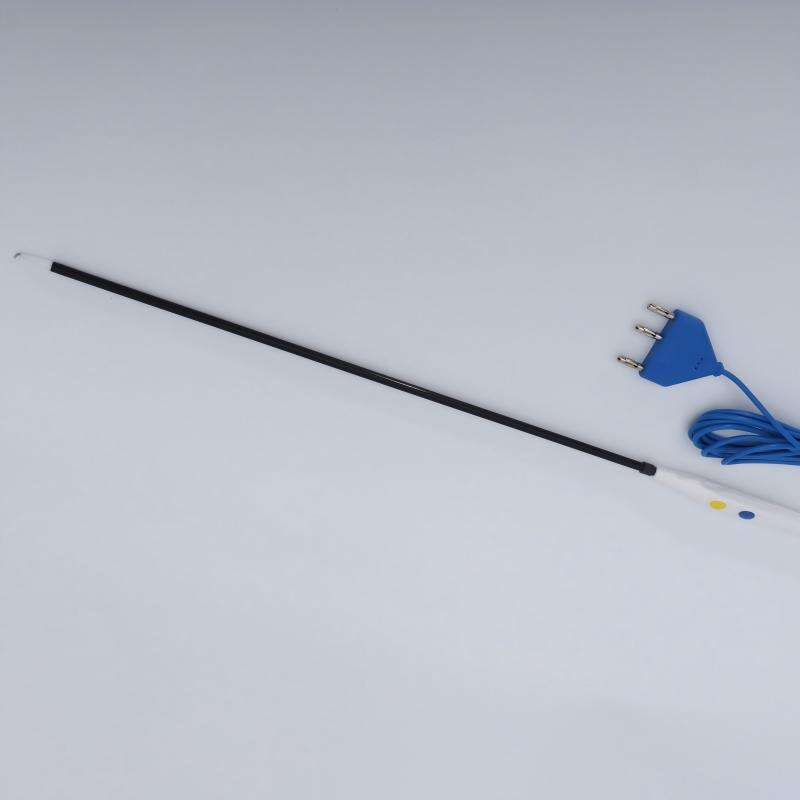
Professional Retrieval Device for Surgical Instruments - Advanced Safety & Precision Solutions

Get a Free Quote

Our representative will contact you soon.
Email
Mobile/WhatsApp
Name
Company Name
Message
0/1000

retrieval device for surgical instruments

A retrieval device for surgical instruments represents an essential component in modern medical practice, designed to safely recover and extract various surgical tools, specimens, and foreign objects during minimally invasive procedures. This sophisticated medical equipment serves as a critical safety mechanism that prevents the loss of instruments within the patient's body cavity while ensuring optimal surgical outcomes. The primary function of a retrieval device for surgical instruments centers on providing surgeons with reliable means to capture, secure, and remove items that may become displaced or intentionally placed during surgical interventions. These devices typically feature flexible designs that accommodate various anatomical spaces and surgical approaches, making them indispensable tools in laparoscopic, arthroscopic, and endoscopic procedures. The technological framework of a retrieval device for surgical instruments incorporates advanced materials such as biocompatible polymers and medical-grade stainless steel components. Many modern versions utilize innovative mesh or basket configurations that can expand and contract as needed, allowing for efficient capture of objects ranging from small tissue samples to larger surgical instruments. Some advanced models integrate visualization capabilities through fiber-optic technology, enabling real-time monitoring during retrieval operations. The deployment mechanism often features intuitive controls that allow surgeons to operate the device with precision while maintaining focus on the primary surgical objective. Applications for retrieval devices span multiple medical specialties including general surgery, gynecology, urology, gastroenterology, and orthopedics. In laparoscopic cholecystectomy procedures, these devices prove invaluable for specimen removal and instrument recovery. Urological applications include stone extraction and tissue sample collection, while gastroenterological uses encompass polyp retrieval and foreign body removal. The versatility of a retrieval device for surgical instruments makes it suitable for both planned extractions and emergency situations where immediate instrument recovery becomes necessary to prevent complications and ensure patient safety throughout the surgical process.

New Products

The retrieval device for surgical instruments delivers substantial benefits that directly impact surgical efficiency, patient safety, and overall healthcare outcomes. Healthcare providers consistently report improved operational control when utilizing these specialized tools during complex procedures. The enhanced safety profile represents the most significant advantage, as these devices virtually eliminate the risk of retained surgical instruments, which can lead to serious complications, additional procedures, and potential legal liabilities. Medical facilities experience reduced liability exposure while maintaining higher standards of patient care through consistent use of retrieval systems. Cost-effectiveness emerges as another compelling advantage, as the prevention of retained instrument incidents saves hospitals substantial expenses related to revision surgeries, extended patient stays, and associated medical complications. The retrieval device for surgical instruments typically pays for itself within the first few prevented incidents, making it an economically sound investment for healthcare institutions of all sizes. Surgical teams benefit from increased procedural confidence knowing they possess reliable backup systems for instrument recovery. This psychological advantage translates into smoother operations and reduced stress levels among surgical staff members. The devices offer remarkable versatility across different surgical specialties, eliminating the need for multiple specialized tools while providing consistent performance in various anatomical locations. Time efficiency improvements become apparent as surgeons can quickly address instrument displacement situations without converting to open surgical approaches. The retrieval device for surgical instruments enables rapid resolution of potentially complicated scenarios, maintaining the minimally invasive nature of procedures and preserving associated patient benefits. Patient outcomes improve significantly when retrieval devices are readily available, as complications from retained instruments become virtually nonexistent. Recovery times remain optimal since patients avoid the trauma associated with additional procedures required to remove retained objects. The devices contribute to maintaining the integrity of minimally invasive surgical approaches, preserving cosmetic benefits and reducing post-operative discomfort. Healthcare facilities report enhanced reputation benefits when implementing comprehensive instrument tracking and retrieval protocols. Quality assurance programs benefit from the consistent availability of reliable retrieval options, supporting accreditation requirements and regulatory compliance initiatives. The ease of use associated with modern retrieval devices means that surgical teams can implement these tools without extensive additional training or workflow disruptions, making adoption seamless across different departments and specialties.

Latest News

Building Core Competitive Advantage Through Technological Innovation and Quality Control

05

Feb

Building Core Competitive Advantage Through Technological Innovation and Quality Control

View More
Focusing On High-Value Medical Devices, Leveraging a Diversified Product Portfolio To Empower Clinical Minimally Invasive Treatments

05

Feb

Focusing On High-Value Medical Devices, Leveraging a Diversified Product Portfolio To Empower Clinical Minimally Invasive Treatments

View More
Deeply Engaged In The High-End Medical Consumables Field, With Innovation Driving The Development Of Minimally Invasive Surgery.

05

Feb

Deeply Engaged In The High-End Medical Consumables Field, With Innovation Driving The Development Of Minimally Invasive Surgery.

View More

Get a Free Quote

Our representative will contact you soon.
Email
Mobile/WhatsApp
Name
Company Name
Message
0/1000

retrieval device for surgical instruments

Advanced Multi-Configuration Design for Universal Compatibility

Advanced Multi-Configuration Design for Universal Compatibility

The retrieval device for surgical instruments features revolutionary multi-configuration capabilities that adapt seamlessly to diverse surgical environments and instrument types. This innovative design philosophy ensures that a single device can accommodate various retrieval scenarios, from delicate tissue specimens to robust metallic instruments that may become displaced during procedures. The expandable mesh technology incorporated into these devices allows for dynamic size adjustment, enabling surgeons to capture objects ranging from tiny surgical clips to larger instruments such as graspers or scissors. The flexible framework construction utilizes medical-grade materials that maintain structural integrity while providing the necessary adaptability for complex anatomical navigation. This versatility eliminates the need for multiple specialized retrieval tools, streamlining surgical inventory management and reducing equipment costs for healthcare facilities. The universal compatibility extends to various surgical approaches, including laparoscopic, thoracoscopic, and arthroscopic procedures, making the retrieval device for surgical instruments an indispensable addition to any surgical suite. The design incorporates intuitive opening and closing mechanisms that respond reliably to surgeon commands, ensuring precise control during critical retrieval operations. Advanced engineering ensures that the device maintains consistent performance characteristics across multiple uses, providing healthcare facilities with dependable long-term solutions. The multi-configuration approach also accommodates different patient anatomies and surgical access points, ensuring that retrieval operations can be performed efficiently regardless of spatial constraints or anatomical variations. Quality assurance testing demonstrates that these devices maintain their functional capabilities through extensive use cycles, providing healthcare providers with confidence in their reliability. The innovative design philosophy behind the retrieval device for surgical instruments reflects deep understanding of surgical workflow requirements and real-world operational challenges faced by surgical teams. This comprehensive approach to design and functionality ensures that healthcare providers can address virtually any instrument retrieval scenario with confidence and precision, ultimately contributing to improved patient safety outcomes and enhanced surgical efficiency across diverse medical specialties and procedural contexts.
Real-Time Visualization and Precision Control Technology

Real-Time Visualization and Precision Control Technology

The integration of advanced visualization technology within the retrieval device for surgical instruments represents a significant leap forward in surgical precision and safety protocols. This sophisticated system incorporates fiber-optic components that provide surgeons with clear, real-time visual feedback during retrieval operations, eliminating guesswork and ensuring accurate positioning before instrument capture. The high-definition imaging capabilities enable surgeons to distinguish between target objects and surrounding tissues, preventing inadvertent tissue damage while ensuring complete retrieval of intended items. The precision control mechanism works in conjunction with the visualization system to provide surgeons with unprecedented accuracy during delicate retrieval procedures. This technology proves particularly valuable in complex anatomical regions where direct visualization may be limited or challenging. The retrieval device for surgical instruments utilizes ergonomic control interfaces that translate surgeon hand movements into precise device positioning, maintaining the natural feel and responsiveness that experienced surgeons expect from their instruments. The visualization system operates independently of external lighting conditions, providing consistent image quality throughout lengthy procedures and ensuring reliable performance in various surgical environments. Advanced signal processing technology enhances image clarity while minimizing interference from other surgical equipment, maintaining optimal visualization quality during critical moments. The precision control features include variable speed settings that allow surgeons to adjust device responsiveness based on specific procedural requirements and personal preferences. This customization capability ensures that the retrieval device for surgical instruments can accommodate different surgical techniques and individual surgeon preferences without compromising performance or safety standards. The visualization technology also includes recording capabilities that support quality assurance programs and provide valuable documentation for training purposes. These features contribute to continuous improvement initiatives within healthcare facilities while supporting evidence-based practice development. The combination of real-time visualization and precision control creates a synergistic effect that significantly enhances overall surgical outcomes while reducing the likelihood of complications associated with instrument retrieval procedures. This technological advancement represents a meaningful step toward more intelligent surgical instrumentation that actively supports surgeon decision-making and enhances patient safety through improved procedural accuracy and reduced risk of adverse events during surgical interventions.
Enhanced Safety Protocols and Risk Mitigation Features

Enhanced Safety Protocols and Risk Mitigation Features

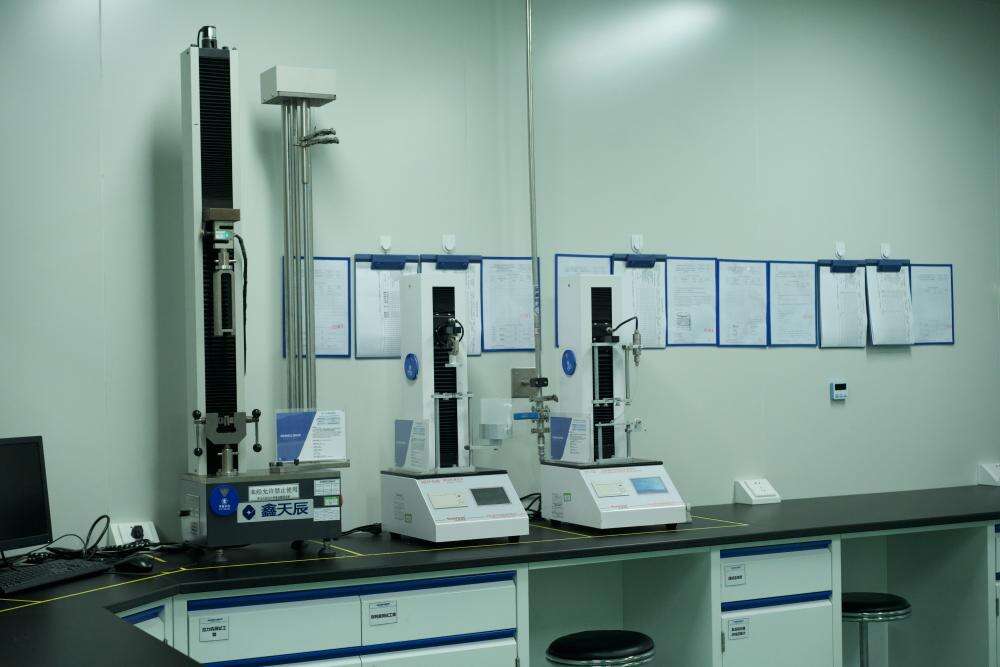
The retrieval device for surgical instruments incorporates comprehensive safety protocols designed to minimize risks associated with retained instruments while maximizing patient protection throughout surgical procedures. These advanced safety features include automatic engagement mechanisms that prevent accidental release of captured items, ensuring secure retention until deliberate extraction occurs. The device design incorporates multiple redundant safety systems that provide backup protection in case of primary mechanism failure, demonstrating the commitment to patient safety that characterizes modern surgical instrumentation. Biocompatible materials used in construction undergo rigorous testing to ensure compatibility with human tissue while maintaining sterility throughout the procedure duration. The safety protocols extend to include visual and tactile confirmation systems that provide surgeons with immediate feedback regarding successful item capture and secure retention. These confirmation mechanisms eliminate uncertainty during critical moments and support confident decision-making throughout retrieval operations. The retrieval device for surgical instruments features smooth, rounded edges that minimize tissue trauma during insertion and manipulation, protecting delicate anatomical structures while maintaining effective functionality. Risk mitigation features include controlled deployment mechanisms that prevent sudden or unexpected device activation, ensuring predictable behavior during surgical use. The device incorporates fail-safe designs that default to secure positions in case of mechanical issues, preventing accidental release of captured items even under adverse conditions. Sterility maintenance represents another crucial safety consideration, with design features that facilitate thorough cleaning and sterilization between uses while maintaining structural integrity and functional performance. The safety protocols also include comprehensive user guidelines and training recommendations that support proper device utilization and maximize safety benefits for both patients and surgical staff. Quality control measures ensure consistent manufacturing standards that maintain safety performance across individual devices and production batches. The enhanced safety features of the retrieval device for surgical instruments contribute significantly to overall risk reduction strategies implemented by healthcare facilities seeking to minimize adverse events and improve patient outcomes. These comprehensive safety considerations reflect industry-leading commitment to patient protection while supporting surgical teams in maintaining the highest standards of care. The integration of multiple safety layers creates robust protection systems that address various potential failure modes while ensuring reliable performance when safety is most critical during surgical procedures and instrument retrieval operations.
Professional Retrieval Device for Surgical Instruments - Advanced Safety & Precision Solutions

Get a Free Quote

Our representative will contact you soon.
Email
Mobile/WhatsApp
Name
Company Name
Message
0/1000