retrieval device for laparoscopy
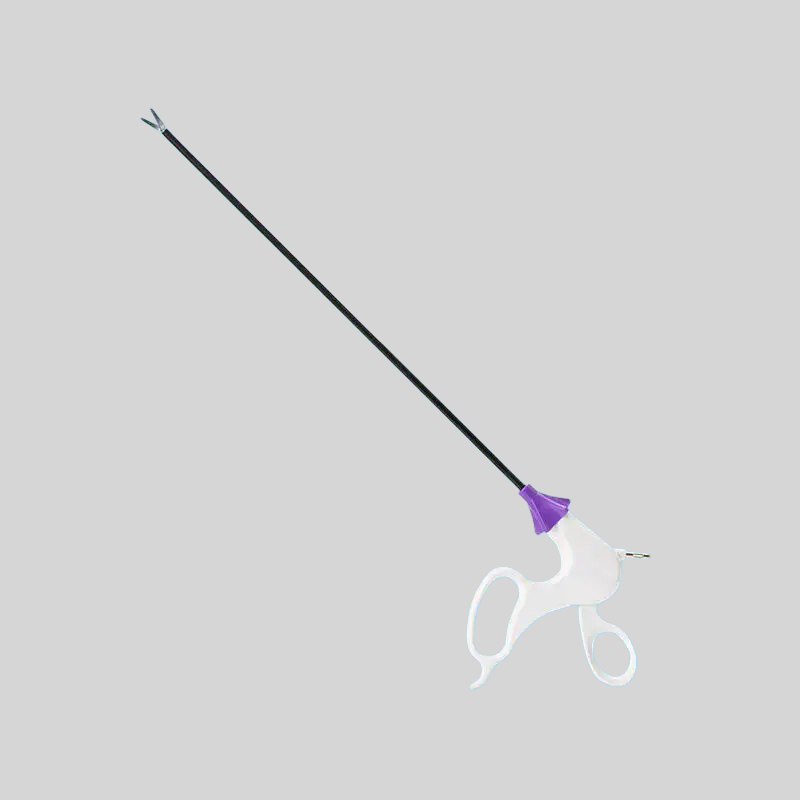
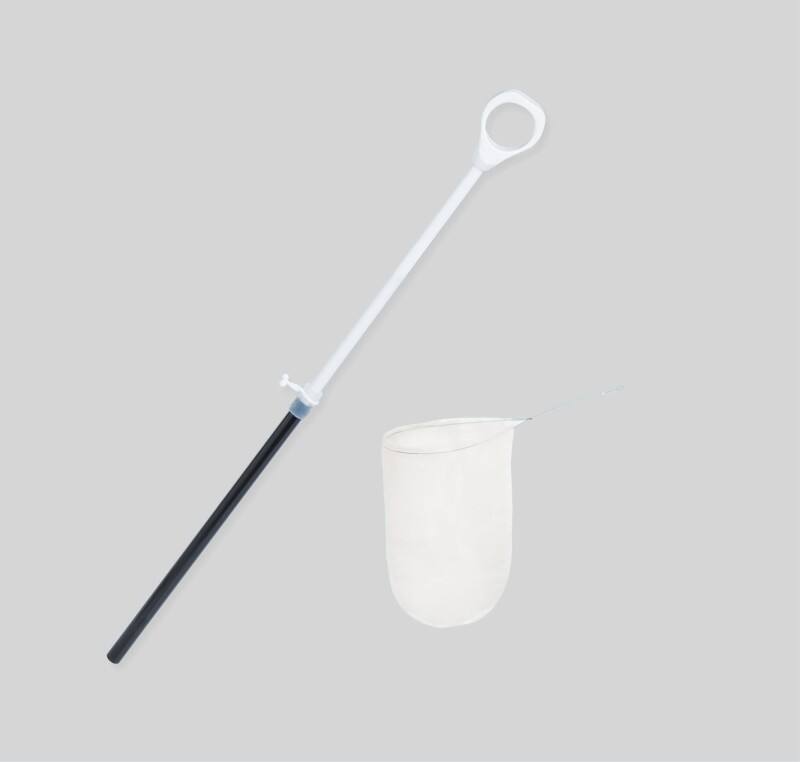
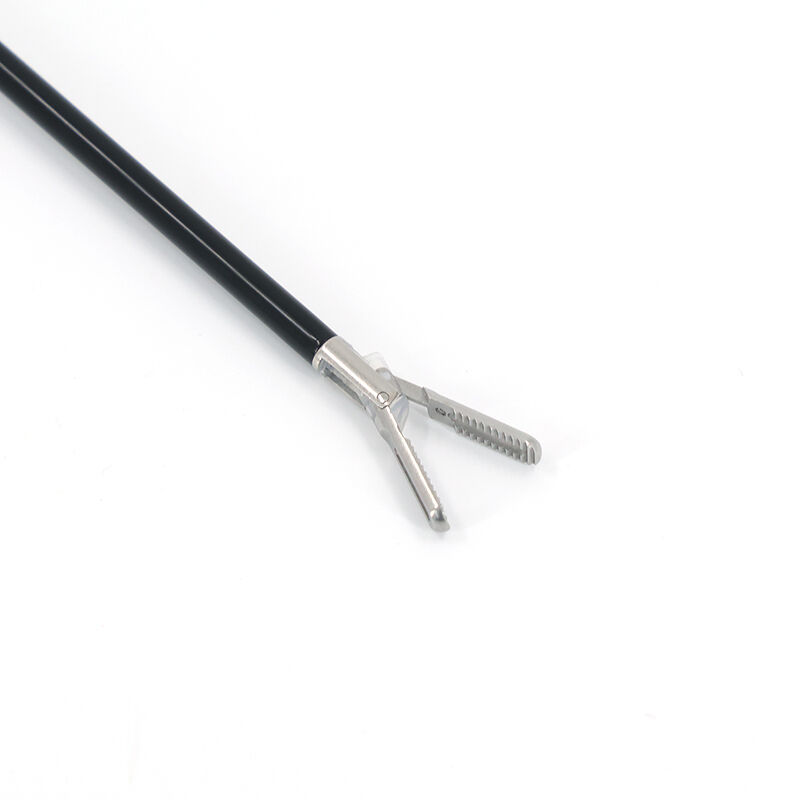
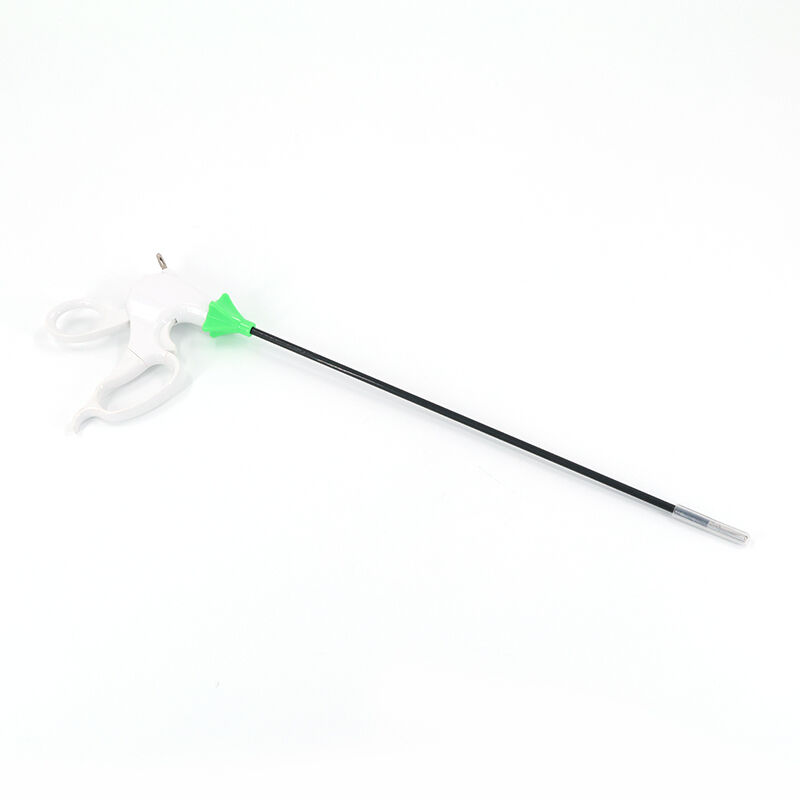
The retrieval device for laparoscopy represents a critical surgical instrument designed to safely extract tissue specimens, foreign objects, and surgical materials during minimally invasive procedures. This specialized medical equipment functions as an essential component in modern laparoscopic surgery, enabling surgeons to remove materials from the abdominal cavity through small incisions while maintaining the integrity of surrounding tissues. The primary function of a retrieval device for laparoscopy centers on specimen extraction, allowing medical professionals to collect tissue samples for pathological examination or remove unwanted materials from the surgical site. These devices feature sophisticated engineering that combines flexibility with strength, incorporating materials such as medical-grade polymers and stainless steel components. The technological framework of the retrieval device for laparoscopy includes deployable collection bags or baskets that can be inserted through trocar ports, expanded within the abdominal cavity, and securely closed around target materials. Advanced models incorporate reinforced sealing mechanisms that prevent specimen fragmentation or spillage during extraction procedures. The deployment system typically utilizes a push-pull mechanism controlled by ergonomic handles that provide precise manipulation capabilities. Modern retrieval devices for laparoscopy feature varied bag sizes to accommodate different specimen dimensions, ranging from small tissue samples to larger organ sections. Applications span numerous surgical specialties including general surgery, gynecology, urology, and oncological procedures. Surgeons frequently employ these devices during gallbladder removal, appendectomies, ovarian cyst excisions, and tumor resections. The retrieval device for laparoscopy proves particularly valuable in procedures requiring containment of potentially malignant tissues, preventing cellular dissemination throughout the peritoneal cavity. Quality construction ensures biocompatibility while maintaining structural integrity under surgical conditions, making the retrieval device for laparoscopy an indispensable tool in contemporary minimally invasive surgical practices.

 EN
EN