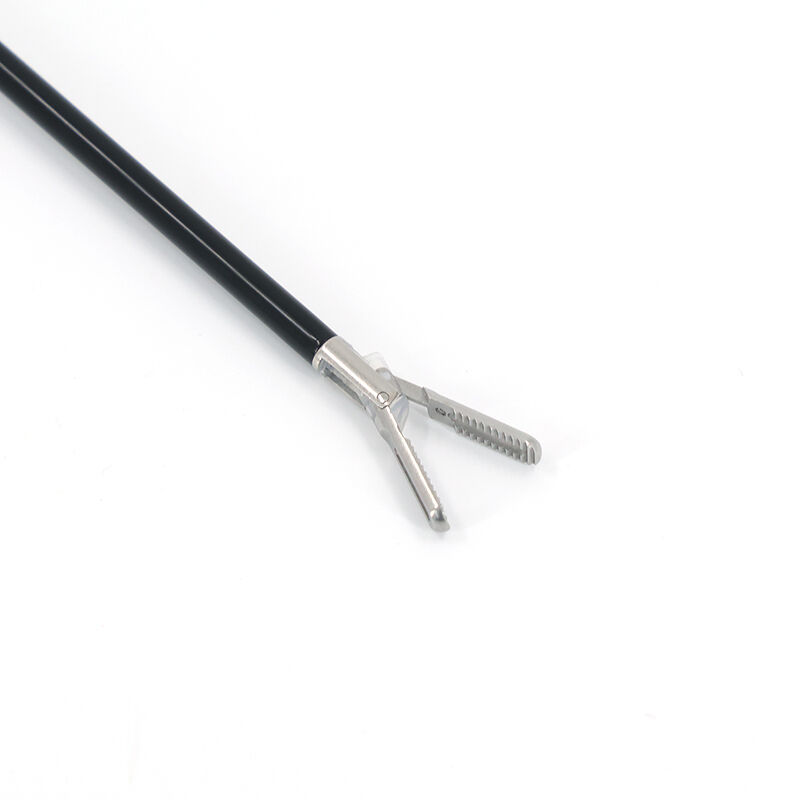
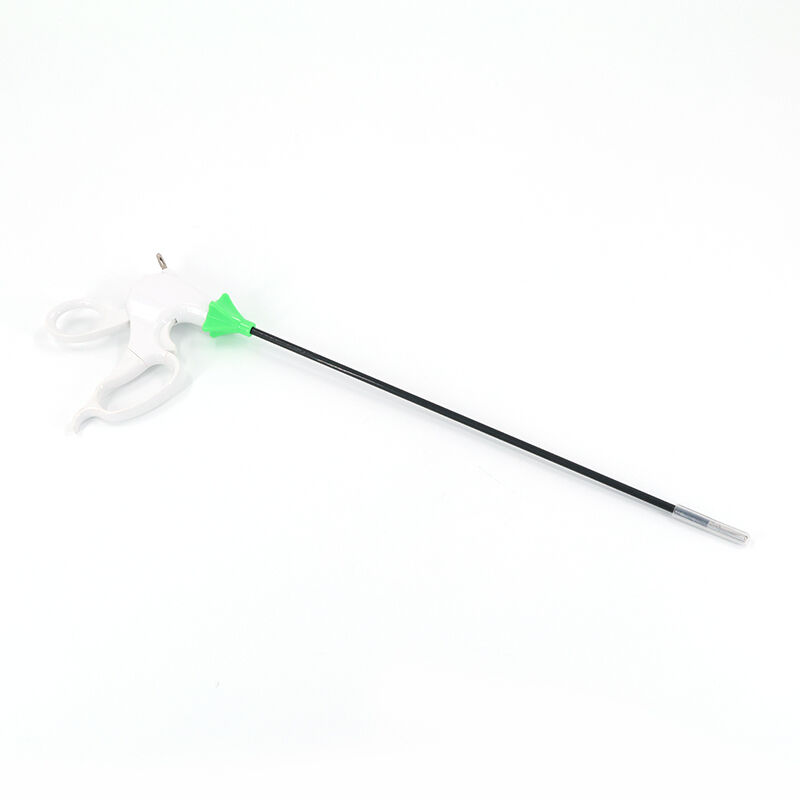
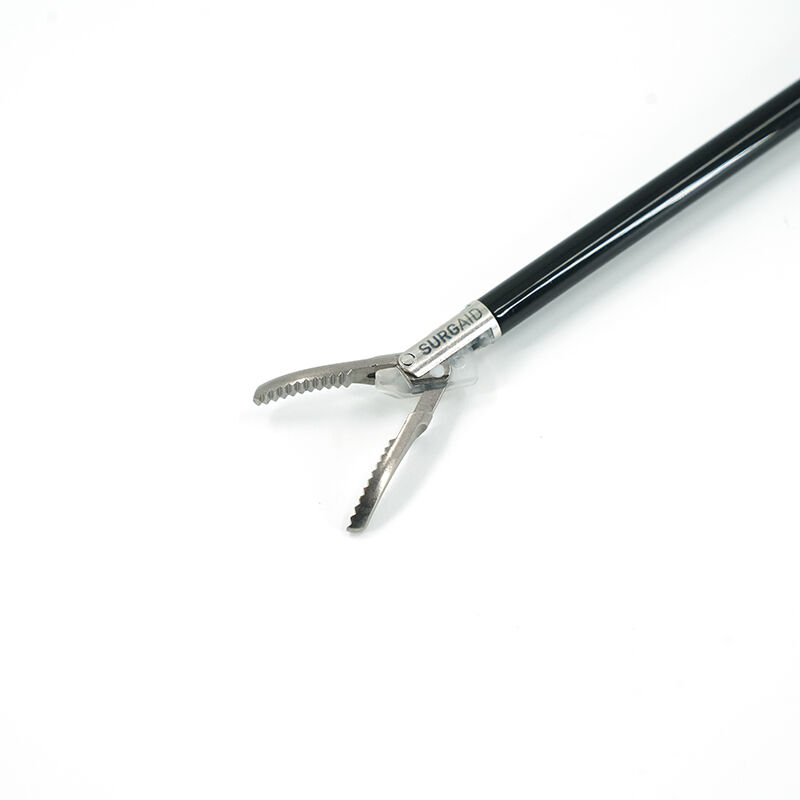
Premium Sterile Specimen Retrieval Device - Advanced Contamination Prevention for Minimally Invasive Surgery

Get a Free Quote

Our representative will contact you soon.
Email
Mobile/WhatsApp
Name
Company Name
Message
0/1000

sterile specimen retrieval device

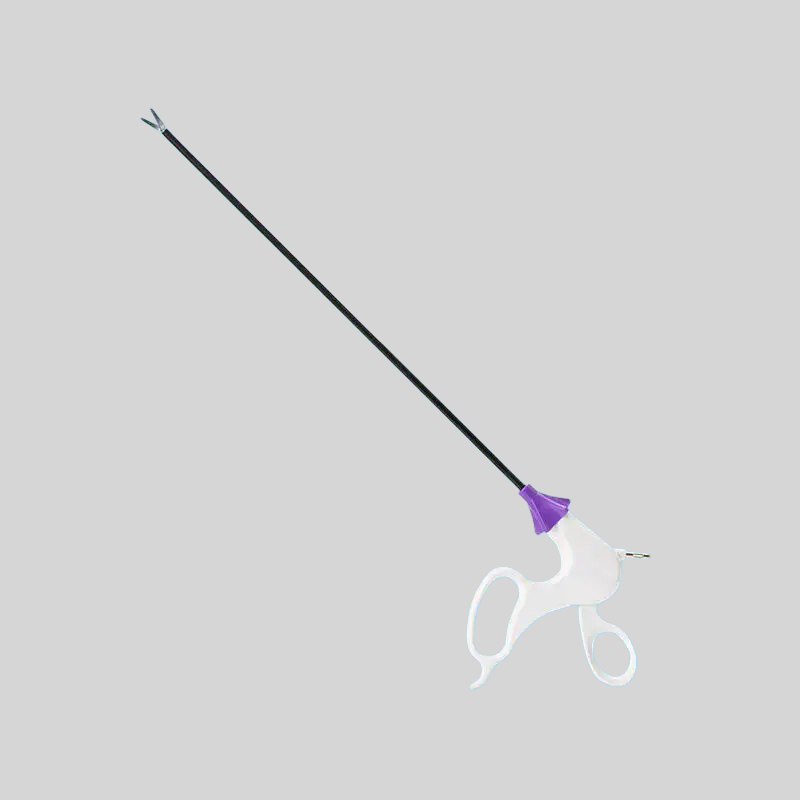
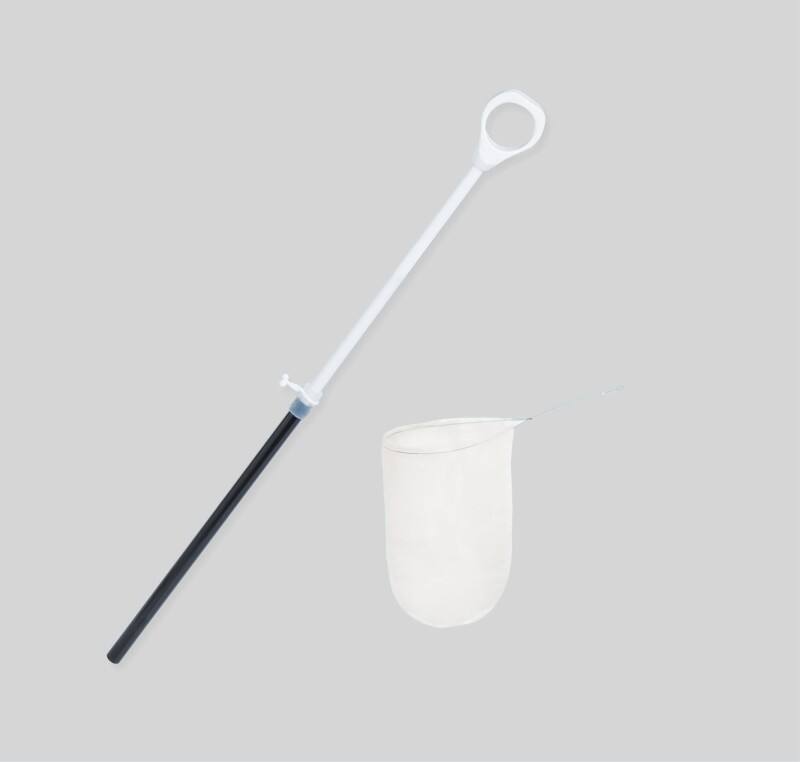
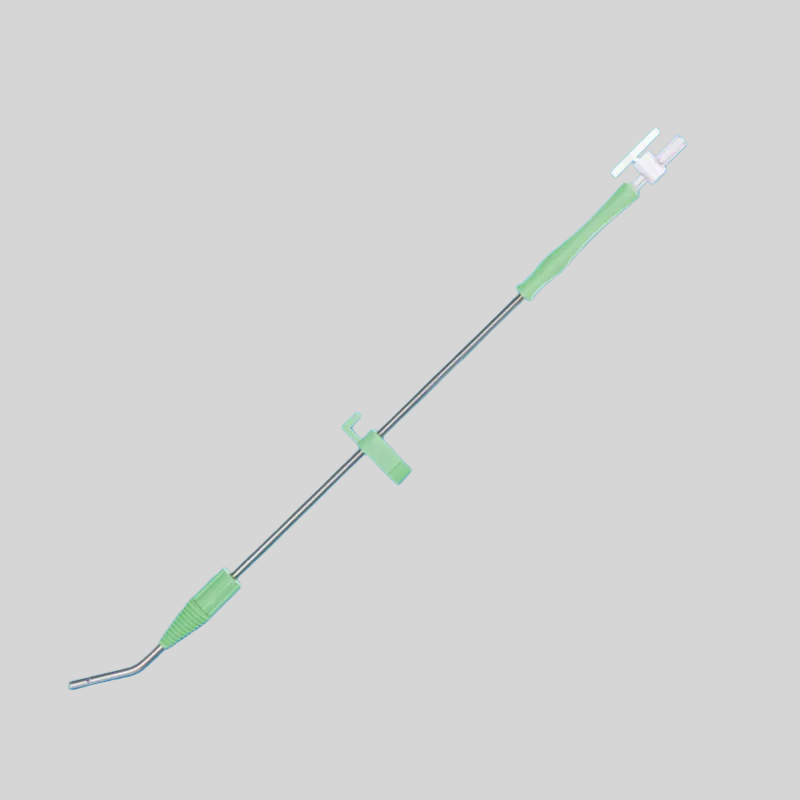
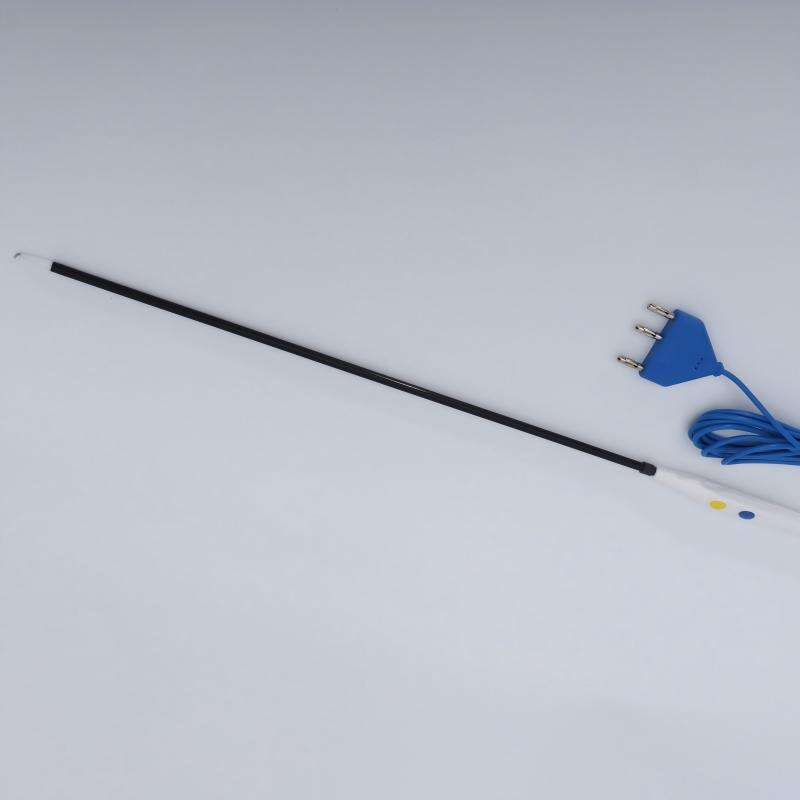
The sterile specimen retrieval device represents a revolutionary advancement in minimally invasive surgical procedures, designed to safely extract tissue samples and surgical specimens while maintaining complete sterility throughout the entire process. This innovative medical instrument serves as an essential component in laparoscopic and endoscopic surgeries, where traditional specimen removal methods pose significant risks of contamination or complications. The sterile specimen retrieval device functions as a protective barrier system that encapsulates specimens within a sealed environment, preventing cross-contamination between the surgical site and extracted materials. Modern sterile specimen retrieval devices incorporate advanced polymer materials and engineered sealing mechanisms that create an impermeable barrier against bacterial infiltration. The technological framework includes specialized drawstring closures, reinforced membrane walls, and ergonomic deployment systems that facilitate seamless integration with existing surgical instruments. These devices typically feature transparent or semi-transparent construction materials, allowing surgeons to visually confirm proper specimen placement and secure containment before extraction. The sterile specimen retrieval device accommodates various specimen sizes and types, from small tissue biopsies to larger organ segments, making it versatile across multiple surgical specialties. Primary applications span gynecological procedures, urological interventions, general surgery operations, and oncological specimen collection where maintaining specimen integrity is paramount. The device deployment process involves insertion through existing trocar ports, specimen encapsulation using controlled opening mechanisms, and secure closure activation that creates an airtight seal. Advanced models incorporate antimicrobial surface treatments and biocompatible materials that minimize tissue reaction while ensuring long-term stability during extended procedures. The sterile specimen retrieval device significantly reduces surgical complications associated with specimen spillage, port site contamination, and inadvertent tissue fragmentation that can compromise diagnostic accuracy and patient safety outcomes.
New Products

The sterile specimen retrieval device delivers substantial benefits that transform surgical specimen collection procedures while enhancing patient safety and clinical outcomes. Healthcare providers experience significant improvements in procedural efficiency when utilizing these specialized containment systems, as the devices eliminate time-consuming additional sterilization steps and reduce overall operative duration. The primary advantage centers on contamination prevention, where the sterile specimen retrieval device creates an impermeable barrier that blocks bacterial migration and prevents surgical site infections that commonly occur with traditional extraction methods. This protective capability directly translates to reduced patient recovery times and decreased hospital readmission rates, providing measurable cost savings for healthcare facilities and improved patient satisfaction scores. Surgical teams benefit from enhanced precision during specimen extraction procedures, as the sterile specimen retrieval device allows for controlled manipulation without direct tissue contact or spillage concerns. The device design facilitates smooth specimen removal through standard trocar ports without requiring incision enlargement or additional access points, maintaining the minimally invasive nature of laparoscopic procedures. Pathologists receive specimens in optimal condition for accurate diagnostic evaluation, as the sterile specimen retrieval device prevents tissue degradation and preserves cellular architecture integrity throughout the extraction process. Clinical documentation improves significantly because the contained extraction method reduces variability in specimen handling procedures and ensures consistent sample quality across different surgical cases. Hospital infection control protocols benefit from reduced environmental contamination risks, as the sealed containment system prevents accidental spillage in operating rooms and minimizes exposure to potentially hazardous materials. The sterile specimen retrieval device supports quality assurance initiatives by providing standardized specimen collection methods that meet regulatory requirements and accreditation standards. Training requirements decrease substantially because the intuitive device operation reduces learning curves for surgical staff and minimizes technique-dependent variables that can affect procedural outcomes. Long-term cost benefits include reduced liability exposure, decreased complication management expenses, and improved resource utilization efficiency that strengthens overall departmental financial performance while maintaining superior patient care standards.

Tips And Tricks

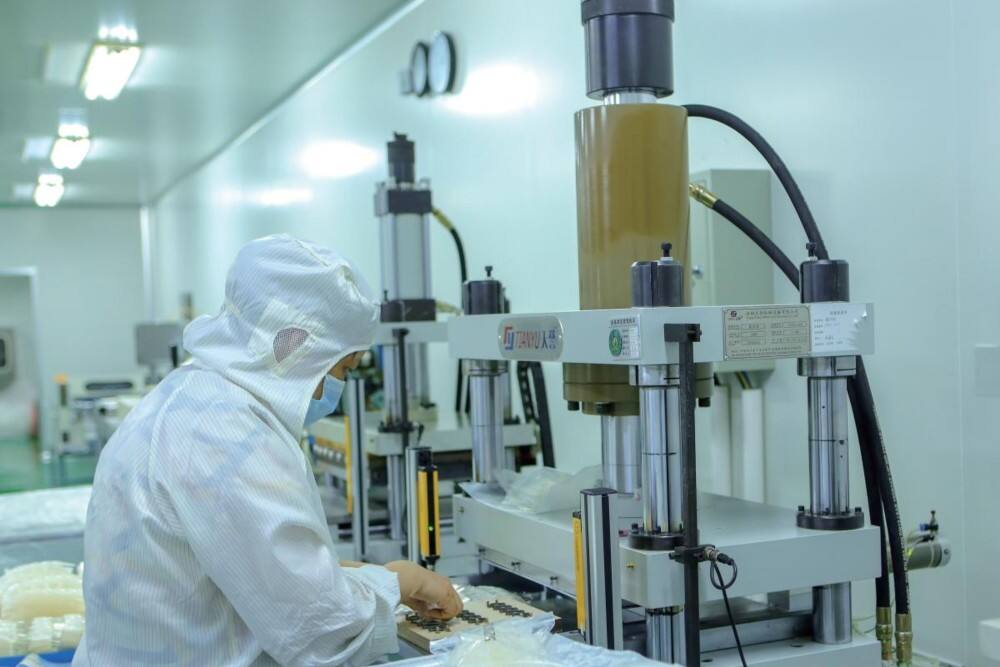
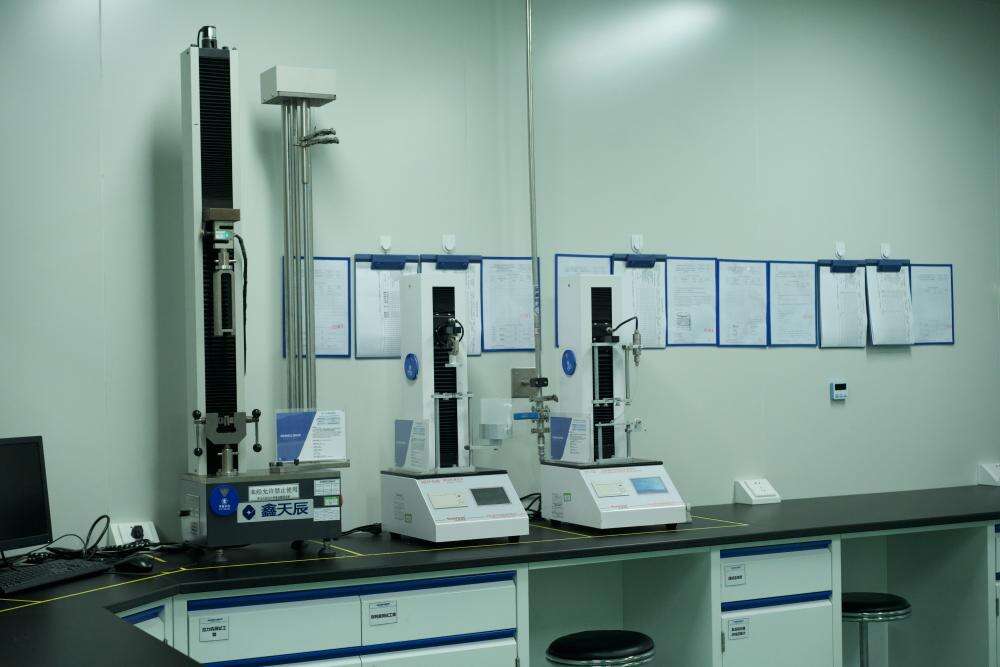
Building Core Competitive Advantage Through Technological Innovation and Quality Control

05

Feb

Building Core Competitive Advantage Through Technological Innovation and Quality Control

View More
Focusing On High-Value Medical Devices, Leveraging a Diversified Product Portfolio To Empower Clinical Minimally Invasive Treatments

05

Feb

Focusing On High-Value Medical Devices, Leveraging a Diversified Product Portfolio To Empower Clinical Minimally Invasive Treatments

View More
Deeply Engaged In The High-End Medical Consumables Field, With Innovation Driving The Development Of Minimally Invasive Surgery.

05

Feb

Deeply Engaged In The High-End Medical Consumables Field, With Innovation Driving The Development Of Minimally Invasive Surgery.

View More

Get a Free Quote

Our representative will contact you soon.
Email
Mobile/WhatsApp
Name
Company Name
Message
0/1000

sterile specimen retrieval device

Advanced Contamination Prevention Technology

Advanced Contamination Prevention Technology

The sterile specimen retrieval device incorporates cutting-edge contamination prevention technology that establishes a revolutionary standard for surgical specimen extraction safety. This sophisticated system utilizes multi-layered barrier construction featuring medical-grade polymers that create an impermeable seal against bacterial infiltration, viral transmission, and cross-contamination events that pose serious risks to patient health outcomes. The advanced sealing mechanism employs precision-engineered drawstring closure systems that activate through controlled tension application, ensuring complete specimen containment without compromising membrane integrity or creating potential leak points. This technology addresses critical safety concerns in modern surgical environments where hospital-acquired infections represent significant morbidity and mortality risks for patients undergoing invasive procedures. The contamination prevention capabilities extend beyond simple physical barriers, incorporating antimicrobial surface treatments that actively inhibit bacterial growth and biofilm formation on device surfaces during extended surgical procedures. Clinical studies demonstrate substantial reduction in post-operative infection rates when utilizing the sterile specimen retrieval device compared to conventional extraction methods that rely on direct specimen handling or improvised containment solutions. The technology proves particularly valuable in oncological procedures where specimen spillage can lead to tumor cell seeding and metastatic spread, potentially compromising long-term patient survival outcomes. Healthcare facilities implementing this advanced contamination prevention technology report improved compliance with infection control protocols and enhanced patient safety metrics that support accreditation requirements and quality improvement initiatives. The system design accommodates various surgical environments and procedural requirements while maintaining consistent contamination prevention performance across different operative conditions and specimen types.
Enhanced Surgical Precision and Control

Enhanced Surgical Precision and Control

The sterile specimen retrieval device delivers exceptional surgical precision and control capabilities that empower surgeons to perform complex specimen extraction procedures with unprecedented accuracy and confidence. This precision-focused design incorporates ergonomic handling features and intuitive deployment mechanisms that integrate seamlessly with existing laparoscopic instrumentation, allowing surgeons to maintain optimal visualization and manipulation control throughout the entire extraction process. The device construction includes transparent membrane materials that provide continuous visual confirmation of specimen placement and containment status, eliminating guesswork and reducing procedural uncertainty that can compromise surgical outcomes. Advanced grip technologies and tactile feedback systems enable surgeons to sense proper device positioning and closure activation, ensuring reliable specimen containment without excessive force application or tissue trauma. The precision control capabilities prove particularly valuable during delicate procedures where specimen integrity directly impacts diagnostic accuracy and treatment planning decisions. Surgeons benefit from reduced cognitive load during specimen extraction phases, as the standardized device operation eliminates technique-dependent variables and provides consistent performance characteristics across different procedural scenarios. The enhanced control features support minimally invasive surgical principles by maintaining small incision requirements and preserving tissue architecture while achieving complete specimen removal objectives. Training programs demonstrate accelerated learning curves for surgical residents and staff members utilizing the sterile specimen retrieval device, as the intuitive design reduces skill-dependent performance variations and improves procedural consistency. Quality assurance metrics improve significantly when surgical teams implement these precision-focused devices, with measurable reductions in specimen loss incidents, extraction complications, and procedural delays that impact overall operative efficiency and patient throughput rates.
Versatile Multi-Specialty Applications

Versatile Multi-Specialty Applications

The sterile specimen retrieval device demonstrates remarkable versatility across multiple medical specialties, providing standardized specimen collection solutions that adapt to diverse surgical requirements and clinical scenarios. This multi-specialty capability stems from the device's scalable design architecture that accommodates various specimen sizes, tissue types, and extraction complexities while maintaining consistent performance standards and safety protocols. Gynecological surgeons utilize the sterile specimen retrieval device for ovarian cyst removal, fibroid extraction, and endometrial tissue collection procedures where specimen integrity directly impacts diagnostic accuracy and treatment effectiveness. Urological applications include kidney stone extraction, prostate tissue sampling, and bladder specimen collection where contamination prevention proves essential for accurate pathological evaluation and infection risk management. General surgery teams implement these devices for gallbladder removal, appendectomy procedures, and hernia repair operations where contained extraction reduces complications and supports faster patient recovery timelines. Oncological applications represent particularly critical use cases where the sterile specimen retrieval device prevents tumor cell spillage and maintains specimen viability for comprehensive cancer staging and molecular analysis procedures. The versatile design accommodates both planned specimen collection and emergency extraction scenarios, providing surgical teams with reliable containment solutions regardless of procedural complexity or time constraints. Training standardization benefits emerge across different specialties, as the consistent device operation reduces learning requirements and supports cross-departmental utilization that improves resource efficiency and staff flexibility. Quality metrics demonstrate improved specimen handling consistency across various surgical disciplines, with standardized protocols that support accreditation requirements and regulatory compliance initiatives. The multi-specialty applications extend to pediatric and geriatric patient populations, where the gentle extraction capabilities and reduced trauma potential support optimal outcomes across diverse age groups and clinical conditions that require specialized surgical approaches.
Premium Sterile Specimen Retrieval Device - Advanced Contamination Prevention for Minimally Invasive Surgery

Get a Free Quote

Our representative will contact you soon.
Email
Mobile/WhatsApp
Name
Company Name
Message
0/1000