sterile disposable endo bag
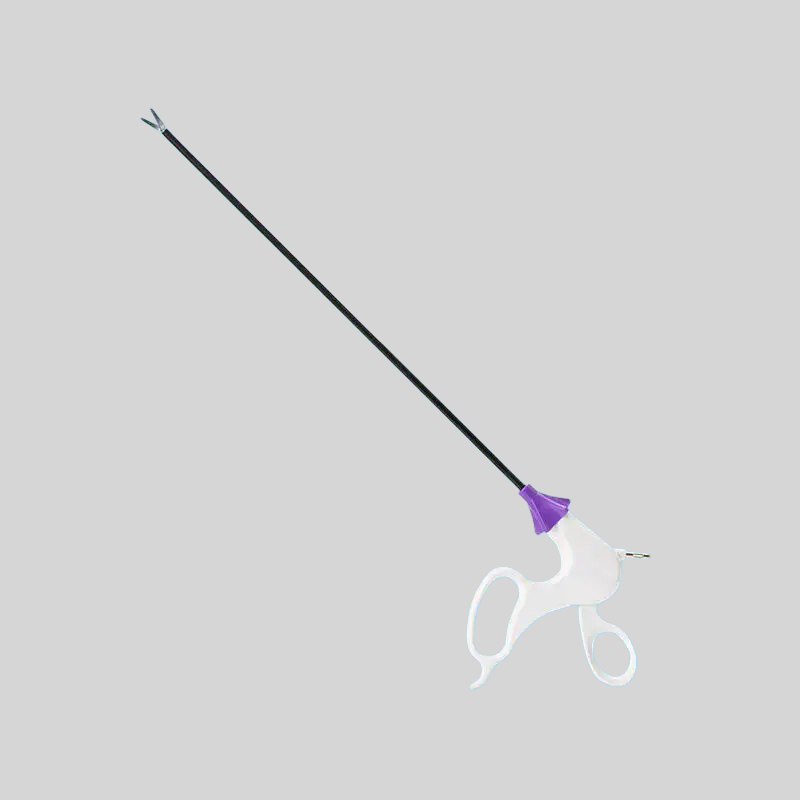
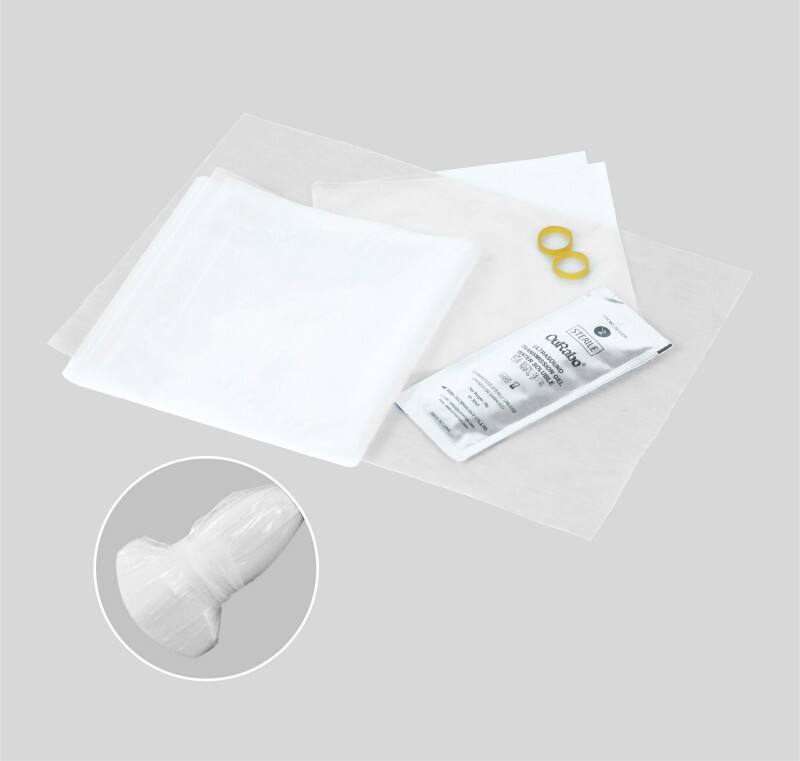
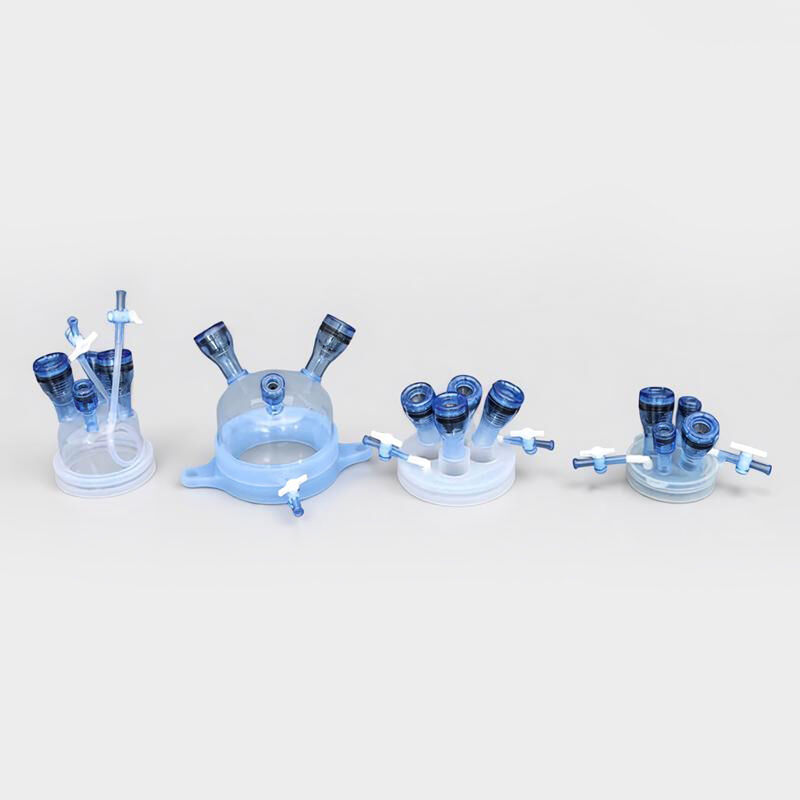
The sterile disposable endo bag represents a revolutionary advancement in minimally invasive surgical procedures, serving as an essential component for safe specimen retrieval during laparoscopic and endoscopic operations. This innovative medical device functions as a protective containment system that allows surgeons to safely extract tissue samples, organs, or foreign objects through small incisions without contaminating the surgical site or compromising patient safety. The sterile disposable endo bag features a flexible, biocompatible construction that expands to accommodate various specimen sizes while maintaining complete sterile integrity throughout the procedure. The device incorporates advanced polymer materials that resist tearing and puncturing, ensuring reliable containment even when handling sharp bone fragments or calcified tissues. Its streamlined design facilitates easy insertion through standard trocar ports, typically ranging from 5mm to 15mm in diameter, making it compatible with most laparoscopic instrument sets. The bag's opening mechanism utilizes a sophisticated drawstring closure system that creates an airtight seal, preventing any spillage of potentially infectious material or malignant cells into the peritoneal cavity. Modern sterile disposable endo bag models include ergonomic handles and deployment mechanisms that simplify manipulation within the confined surgical space. The technological features extend to radiopaque markers embedded within the bag material, allowing for clear visualization under fluoroscopic guidance when necessary. These bags undergo rigorous sterilization processes using gamma radiation or ethylene oxide, ensuring complete elimination of microbial contamination before packaging. The applications of sterile disposable endo bags span multiple surgical specialties, including general surgery for appendectomies and cholecystectomies, gynecological procedures such as ovarian cyst removal, urological operations involving kidney stone extraction, and oncological surgeries requiring precise tumor containment. The device significantly reduces the risk of port-site metastases in cancer procedures while minimizing the potential for surgical site infections in routine operations.



 EN
EN