laparoscopic surgery endo bag
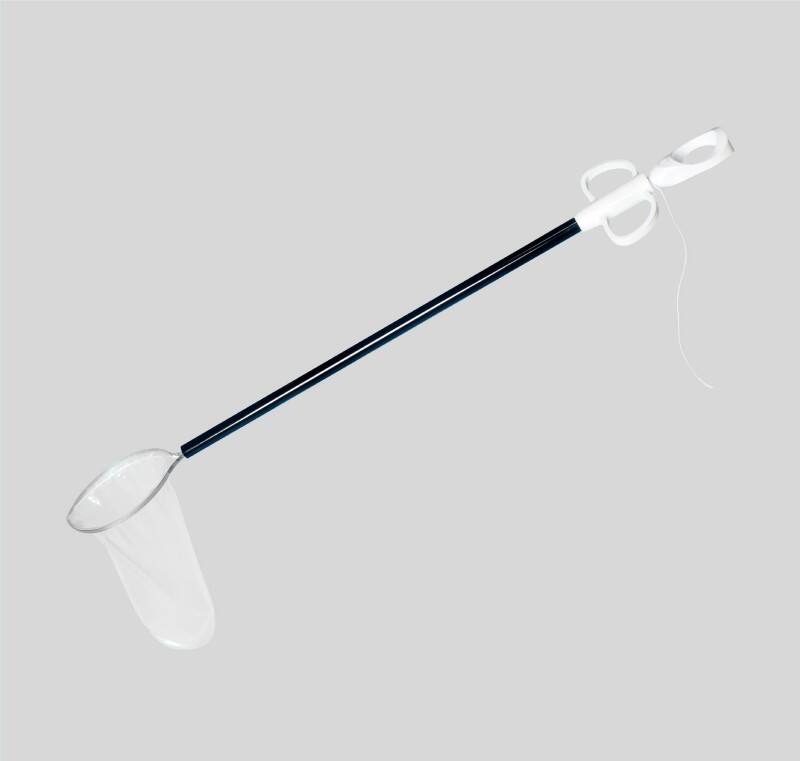
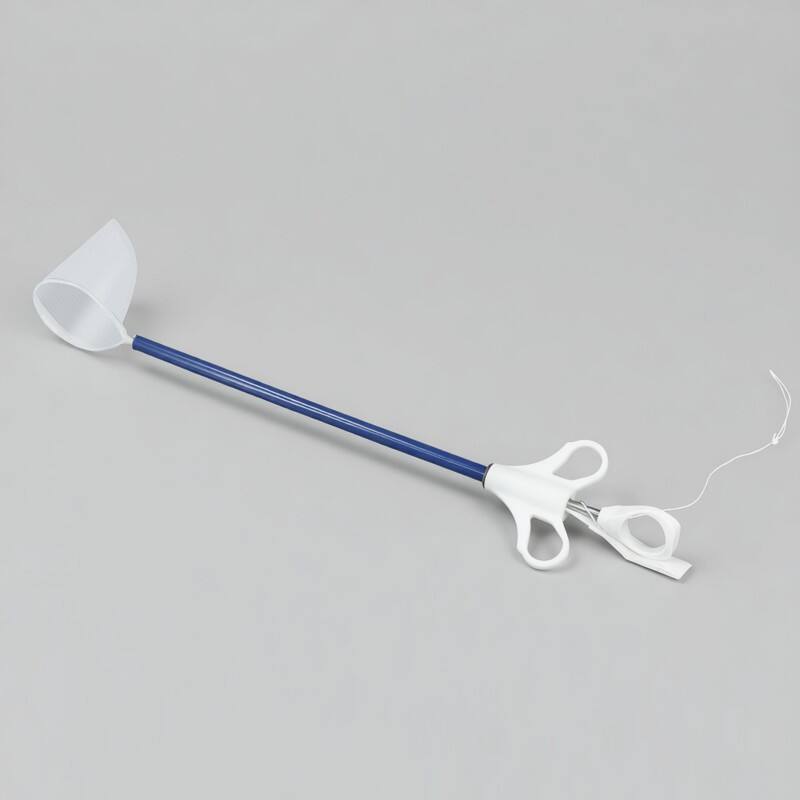
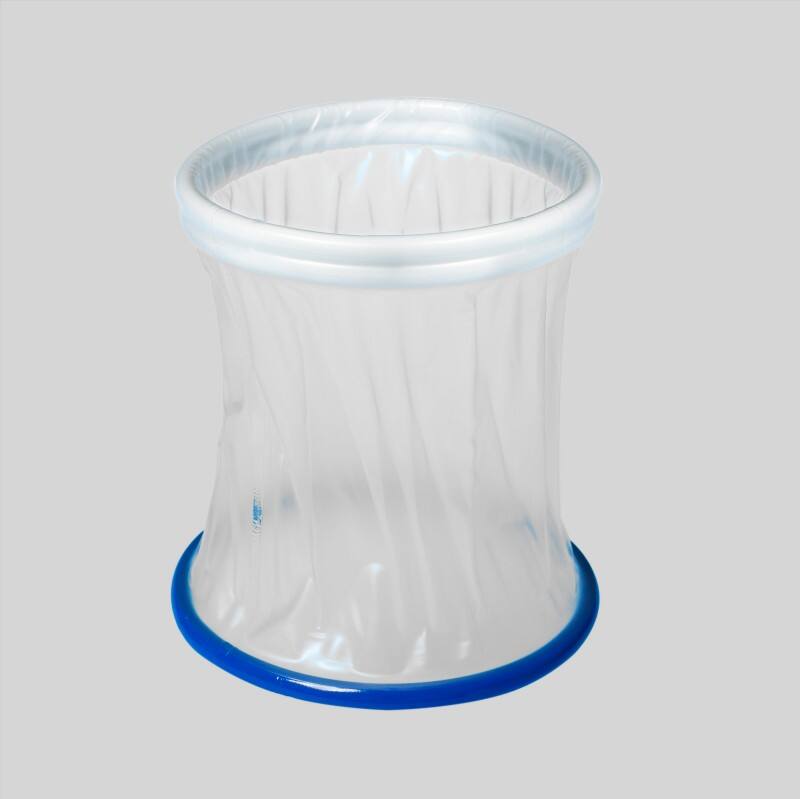
The laparoscopic surgery endo bag represents a revolutionary medical device specifically engineered for minimally invasive surgical procedures. This specialized containment system serves as an essential tool for surgeons performing laparoscopic operations, enabling safe specimen removal while maintaining the sterile environment crucial for successful outcomes. The laparoscopic surgery endo bag functions as a secure collection vessel that prevents contamination and spillage during tissue extraction procedures. Modern endo bags incorporate advanced materials science, featuring biocompatible polymers that resist tearing while remaining flexible enough for easy manipulation through small incisions. The primary function involves containing resected organs, tissues, or foreign objects within a sealed environment before removal from the patient's body. This containment prevents potential seeding of malignant cells or infectious materials throughout the surgical site. Technological innovations in laparoscopic surgery endo bag design include reinforced sealing mechanisms, transparent viewing windows for specimen verification, and ergonomic deployment systems that facilitate smooth operation under challenging surgical conditions. The device typically consists of a collapsible pouch attached to a rigid opening mechanism, allowing surgeons to introduce specimens efficiently while maintaining precise control. Applications span numerous surgical specialties including general surgery, gynecology, urology, and oncology. Surgeons utilize these bags during procedures such as cholecystectomy, appendectomy, nephrectomy, and tumor resections where specimen integrity must be preserved. The laparoscopic surgery endo bag has become indispensable in cancer surgery, where preventing tumor cell dissemination is paramount. Quality manufacturing standards ensure each bag meets stringent medical device regulations, guaranteeing reliability during critical surgical moments. The transparent construction allows real-time visualization of contents, enabling surgeons to confirm complete specimen capture before extraction. Various sizes accommodate different anatomical specimens, from small gallbladders to larger organ segments, providing surgical teams with versatile options for diverse procedural requirements.

 EN
EN