Versatile Applications Across Multiple Surgical Specialties
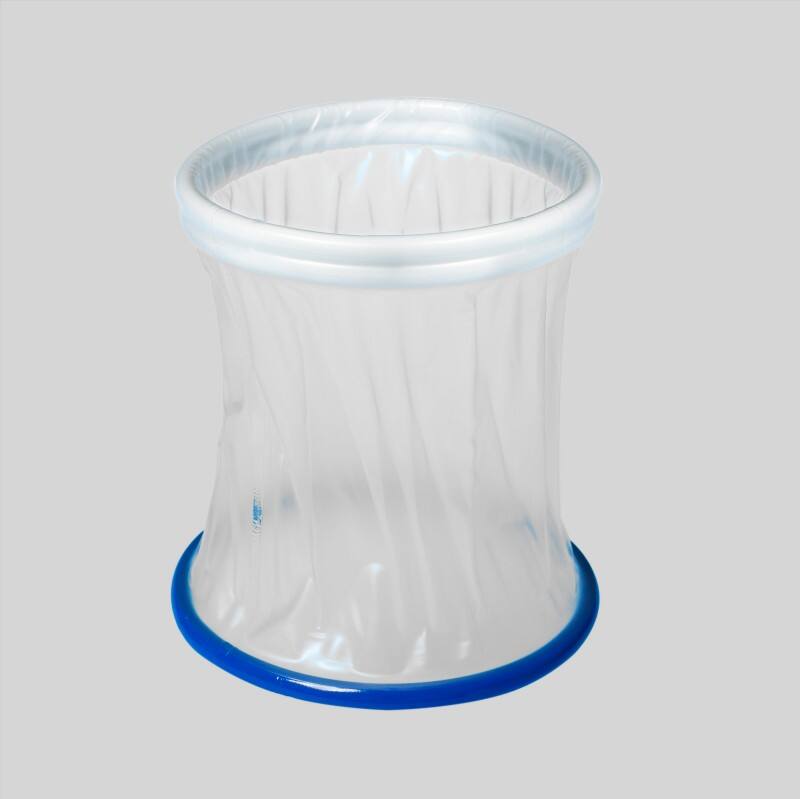
The remarkable versatility of the endo bag enables its successful implementation across diverse surgical specialties, making it an invaluable tool for healthcare facilities seeking to standardize their minimally invasive surgical approaches while maintaining specialty-specific requirements. In gynecological procedures, the endo bag excels at containing ovarian cysts, uterine fibroids, and malignant tissue specimens during laparoscopic hysterectomies and oophorectomies, preventing spillage that could lead to peritoneal contamination or tumor dissemination. Urological applications benefit from the endo bag's capacity to handle kidney stones, prostate tissue, and bladder specimens during procedures such as laparoscopic nephrectomy and radical prostatectomy, where containment is crucial for pathological analysis and patient safety. General surgical procedures rely on the endo bag for appendectomy specimen retrieval, gallbladder extraction during cholecystectomy, and hernia repair material management, demonstrating its adaptability to various tissue types and specimen sizes. Oncological surgeries particularly benefit from the endo bag's contamination prevention capabilities, as it effectively contains potentially metastatic tissue during tumor resections, reducing the risk of cancer cell seeding that could compromise long-term patient outcomes. Pediatric surgical applications showcase the endo bag's scalability, with specialized smaller versions designed to accommodate the unique anatomical considerations and specimen sizes encountered in pediatric procedures. Emergency surgical situations benefit from the endo bag's rapid deployment capabilities, allowing trauma surgeons to quickly contain damaged tissue or foreign objects during life-saving procedures where time is critically important. Bariatric surgery procedures utilize specialized endo bag configurations designed to handle larger tissue volumes and unique anatomical challenges associated with obesity-related surgical interventions. The versatility extends to different surgical approaches, including robotic-assisted procedures where the endo bag integrates seamlessly with robotic instrumentation systems. Multi-specialty hospitals appreciate the inventory simplification that results from using standardized endo bag systems across different departments, reducing procurement complexity and training requirements. The adaptability of modern endo bag designs accommodates emerging surgical techniques and evolving procedural requirements, ensuring continued relevance as surgical practices advance and new minimally invasive approaches are developed.

 EN
EN