Advanced Laparoscopic Graspers for Surgery: Precision Instruments for Minimally Invasive Procedures

Get a Free Quote

Our representative will contact you soon.
Email
Mobile/WhatsApp
Name
Company Name
Message
0/1000

laparoscopic graspers for surgery

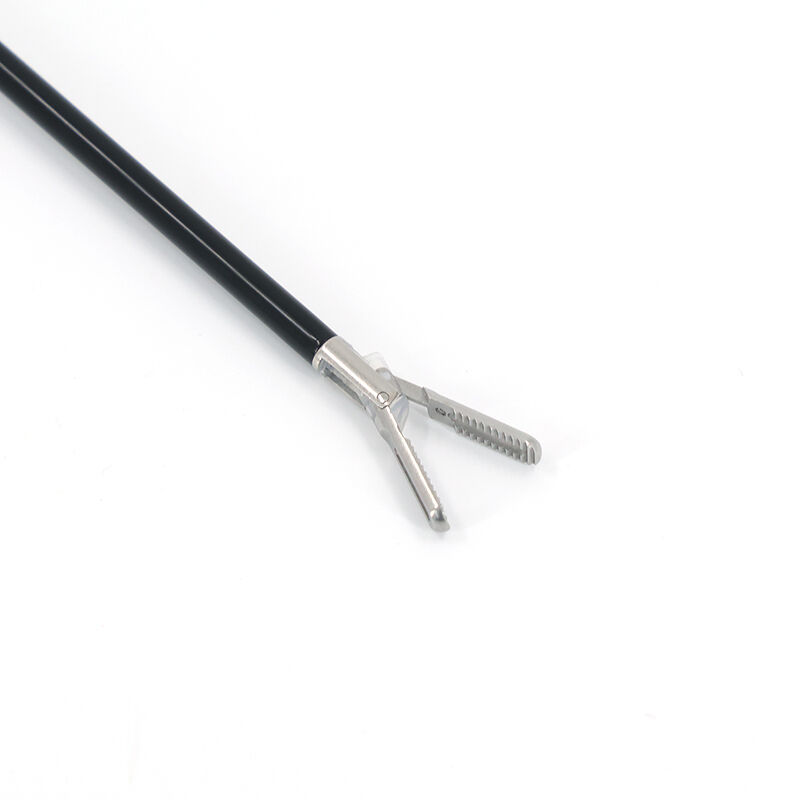
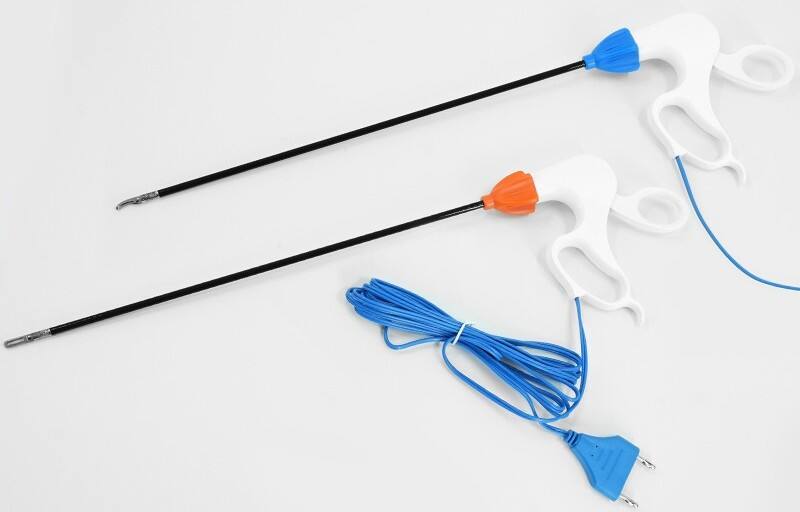
Laparoscopic graspers for surgery represent essential instruments in minimally invasive surgical procedures, serving as the surgeon's extended hands within the confined spaces of the human body. These sophisticated medical devices are specifically engineered to manipulate, hold, and position tissues and organs during laparoscopic operations with exceptional precision and control. The fundamental design of laparoscopic graspers for surgery incorporates a long, slender shaft that can be inserted through small incisions, typically measuring 5-12 millimeters in diameter, allowing surgeons to perform complex procedures without the need for large, traditional surgical openings. The primary functions of these instruments include grasping delicate tissues, retracting organs to improve visualization, manipulating anatomical structures during dissection, and providing stable tissue tension for cutting or suturing procedures. Modern laparoscopic graspers for surgery feature advanced technological innovations such as articulating jaw mechanisms that can rotate 360 degrees, providing surgeons with enhanced maneuverability in tight anatomical spaces. The jaw designs vary significantly depending on their intended application, ranging from atraumatic smooth surfaces for gentle tissue handling to serrated or toothed configurations for secure grip on tougher structures. Many contemporary models incorporate ergonomic handle designs with multiple grip options, reducing hand fatigue during lengthy procedures and improving overall surgical efficiency. The construction materials typically include high-grade stainless steel or titanium alloys for durability and biocompatibility, while some models feature specialized coatings to reduce tissue adhesion and improve cleaning protocols. Applications for laparoscopic graspers for surgery span numerous medical specialties including general surgery, gynecology, urology, and gastroenterology, where they facilitate procedures such as cholecystectomy, appendectomy, hernia repair, and tumor resection with remarkable precision and minimal patient trauma.

New Product Releases

The advantages of laparoscopic graspers for surgery extend far beyond their basic functionality, offering transformative benefits that revolutionize surgical outcomes and patient experiences. These innovative instruments significantly reduce patient recovery time compared to traditional open surgery methods, allowing individuals to return to their normal activities weeks earlier than conventional approaches would permit. The minimally invasive nature of procedures using laparoscopic graspers for surgery results in smaller incisions, which directly translates to reduced scarring, decreased post-operative pain, and lower infection risks for patients. Surgeons benefit from enhanced visualization capabilities, as these instruments work in conjunction with laparoscopic cameras to provide magnified, high-definition views of internal structures that surpass what human eyes can achieve during open procedures. The precision control offered by modern laparoscopic graspers for surgery enables surgeons to perform delicate maneuvers with confidence, reducing the likelihood of inadvertent tissue damage and improving overall surgical outcomes. Hospital administrators appreciate the cost-effectiveness these instruments provide through shortened hospital stays, reduced nursing requirements, and decreased post-operative complications that typically require additional medical interventions. The ergonomic design features built into contemporary laparoscopic graspers for surgery reduce surgeon fatigue during extended procedures, maintaining optimal performance levels throughout complex operations and potentially reducing human error rates. Patient satisfaction scores consistently improve when procedures utilize these advanced instruments, as individuals experience less pain, require fewer pain medications, and enjoy faster return to work and recreational activities. The versatility of laparoscopic graspers for surgery allows medical facilities to standardize their instrument inventory across multiple surgical specialties, simplifying procurement processes and staff training requirements while maintaining surgical excellence. Furthermore, the reduced tissue trauma associated with these instruments leads to better cosmetic outcomes, addressing patient concerns about visible surgical scars and improving long-term psychological well-being. The technological advancement embedded in modern laparoscopic graspers for surgery continues to evolve, incorporating features such as improved grip strength, enhanced durability, and simplified sterilization processes that benefit both medical professionals and healthcare institutions seeking to optimize their surgical capabilities.

Tips And Tricks

Building Core Competitive Advantage Through Technological Innovation and Quality Control

05

Feb

Building Core Competitive Advantage Through Technological Innovation and Quality Control

View More
Focusing On High-Value Medical Devices, Leveraging a Diversified Product Portfolio To Empower Clinical Minimally Invasive Treatments

05

Feb

Focusing On High-Value Medical Devices, Leveraging a Diversified Product Portfolio To Empower Clinical Minimally Invasive Treatments

View More
Deeply Engaged In The High-End Medical Consumables Field, With Innovation Driving The Development Of Minimally Invasive Surgery.

05

Feb

Deeply Engaged In The High-End Medical Consumables Field, With Innovation Driving The Development Of Minimally Invasive Surgery.

View More

Get a Free Quote

Our representative will contact you soon.
Email
Mobile/WhatsApp
Name
Company Name
Message
0/1000

laparoscopic graspers for surgery

Advanced Articulating Technology for Superior Surgical Control

Advanced Articulating Technology for Superior Surgical Control

The revolutionary articulating technology integrated into modern laparoscopic graspers for surgery represents a quantum leap in surgical instrument design, providing surgeons with unprecedented control and flexibility during minimally invasive procedures. This innovative feature allows the instrument tips to bend and rotate through multiple axes, mimicking the natural movement of human wrists and fingers within the confined spaces of laparoscopic surgery. The articulating mechanism typically offers 360-degree rotation capabilities combined with precise angular adjustments, enabling surgeons to approach tissues from optimal angles regardless of the entry port position or anatomical constraints. This technological advancement proves particularly valuable during complex procedures where traditional straight instruments would require awkward positioning or multiple entry points to achieve the same level of access. The engineering behind these articulating laparoscopic graspers for surgery incorporates sophisticated cable-driven systems or gear mechanisms that translate surgeon hand movements into precise tip movements with minimal lag or mechanical play. Surgeons report significantly improved ergonomics when using articulating models, as they can maintain comfortable hand positions while still achieving the necessary tissue manipulation angles, reducing physical strain during lengthy procedures. The enhanced maneuverability provided by articulating laparoscopic graspers for surgery allows for more thorough tissue dissection and organ mobilization, particularly in challenging anatomical locations such as the pelvis or upper abdomen where space constraints traditionally limit surgical options. Quality manufacturers ensure that the articulating joints maintain their precision over thousands of uses, incorporating wear-resistant materials and sealed mechanisms that prevent degradation from repeated sterilization cycles. The improved surgical outcomes achieved through articulating technology often translate to reduced procedure times, as surgeons can accomplish complex maneuvers more efficiently without repositioning instruments or creating additional access points. This technological sophistication in laparoscopic graspers for surgery ultimately benefits patients through shorter anesthesia exposure, reduced surgical trauma, and improved precision in tissue handling that minimizes complications and promotes faster healing.
Multi-Functional Design Versatility for Comprehensive Surgical Applications

Multi-Functional Design Versatility for Comprehensive Surgical Applications

The multi-functional design versatility inherent in contemporary laparoscopic graspers for surgery addresses the diverse needs of modern surgical practices by incorporating adaptable features that accommodate various procedural requirements within a single instrument platform. This comprehensive approach eliminates the need for frequent instrument changes during procedures, streamlining surgical workflow and reducing operative time while maintaining the highest standards of surgical precision. Advanced laparoscopic graspers for surgery feature interchangeable jaw configurations that can be quickly modified to suit specific tissue types or procedural phases, allowing surgeons to transition seamlessly between delicate tissue manipulation and secure organ retraction without compromising sterility or losing valuable operative time. The versatile tip designs available include atraumatic smooth jaws for handling fragile structures like bowel or vascular tissues, serrated surfaces for secure grip on fibrous materials, and specialized configurations for specific applications such as needle driving or suture manipulation. Many modern laparoscopic graspers for surgery incorporate dual-functionality mechanisms that combine grasping capabilities with cutting or coagulation functions, effectively replacing multiple instruments and reducing the overall instrument count required for complex procedures. The modular design philosophy extends to handle configurations, with options for different grip styles, trigger mechanisms, and actuation forces to accommodate varying surgeon preferences and hand sizes, ensuring optimal comfort and control throughout extended procedures. This versatility proves particularly valuable in emergency situations where rapid instrument deployment is crucial, as a single multi-functional laparoscopic grasper for surgery can address multiple procedural needs without delay. The standardized shaft dimensions across different tip configurations allow for consistent trocar compatibility, simplifying surgical setup and reducing the learning curve for surgical teams transitioning between different instrument variants. Educational institutions benefit from this versatility by being able to train students on fewer instrument types while still covering the full spectrum of laparoscopic techniques, improving training efficiency and reducing educational costs. The comprehensive functionality built into modern laparoscopic graspers for surgery also supports subspecialty applications, with specialized variants available for pediatric procedures, bariatric surgery, and microsurgical applications, ensuring that every surgical scenario can be addressed with appropriate instrumentation.
Enhanced Safety Features and Reliability for Optimal Patient Outcomes

Enhanced Safety Features and Reliability for Optimal Patient Outcomes

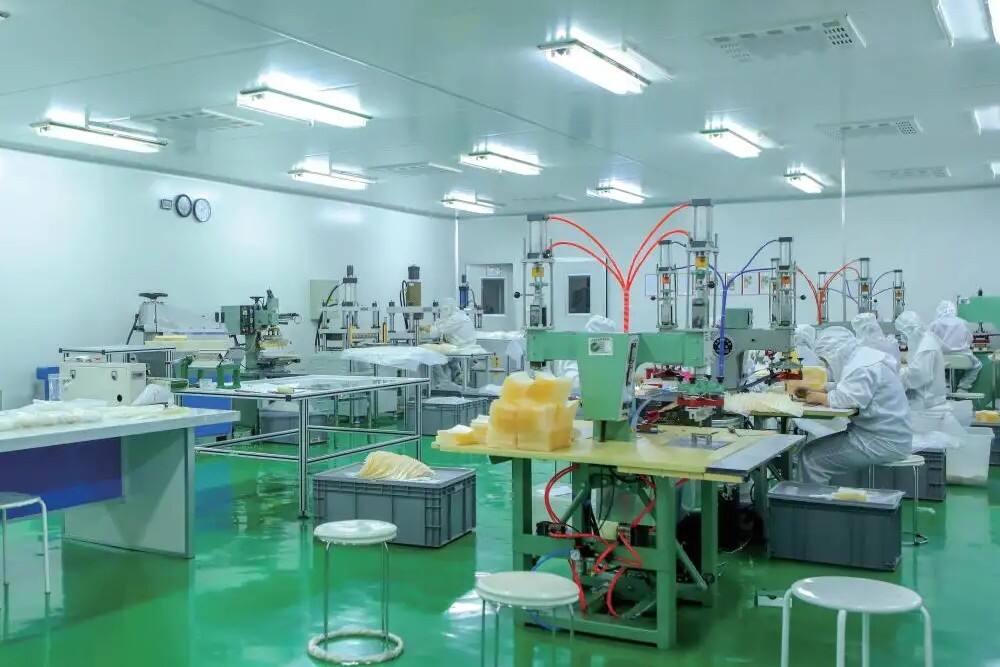
The enhanced safety features and exceptional reliability engineered into modern laparoscopic graspers for surgery establish new benchmarks for patient protection and surgical predictability, incorporating multiple fail-safe mechanisms and quality assurance protocols that prioritize patient wellbeing above all other considerations. These sophisticated safety systems begin with advanced material selection processes that utilize biocompatible alloys and surface treatments specifically designed to minimize tissue reaction and prevent corrosion or degradation that could compromise instrument integrity during critical procedures. The mechanical reliability of contemporary laparoscopic graspers for surgery is achieved through rigorous testing protocols that simulate thousands of operational cycles, ensuring consistent performance characteristics throughout the instrument's service life and preventing unexpected failures during surgery. Integrated safety mechanisms include positive locking systems that prevent accidental jaw opening during tissue manipulation, force limitation features that prevent excessive pressure application that could damage delicate structures, and visual indicators that confirm proper instrument function before and during use. The ergonomic safety considerations built into these laparoscopic graspers for surgery include anti-slip grip surfaces, balanced weight distribution to prevent hand fatigue-related errors, and intuitive control layouts that reduce the likelihood of operator confusion during high-stress surgical moments. Quality control measures implemented during manufacturing include individual instrument testing, batch verification protocols, and comprehensive documentation systems that ensure traceability and accountability throughout the product lifecycle. The sterilization compatibility of modern laparoscopic graspers for surgery extends beyond basic autoclave resistance to include compatibility with advanced sterilization methods such as hydrogen peroxide plasma and ethylene oxide, ensuring thorough decontamination without compromising instrument integrity. Failure mode analysis conducted during design phases identifies potential points of mechanical weakness and implements reinforcement strategies that prevent catastrophic failures that could endanger patients or compromise surgical outcomes. The reliability reputation of leading laparoscopic graspers for surgery manufacturers is built upon decades of clinical use data, continuous improvement feedback from surgical teams, and commitment to addressing any performance issues through rapid product updates and customer support programs. This comprehensive approach to safety and reliability ensures that surgeons can focus entirely on patient care without concern for instrument performance, while patients benefit from consistently excellent outcomes supported by dependable, high-quality surgical instrumentation that meets the most demanding clinical requirements.
Advanced Laparoscopic Graspers for Surgery: Precision Instruments for Minimally Invasive Procedures

Get a Free Quote

Our representative will contact you soon.
Email
Mobile/WhatsApp
Name
Company Name
Message
0/1000