laparoscopic graspers manufacturer
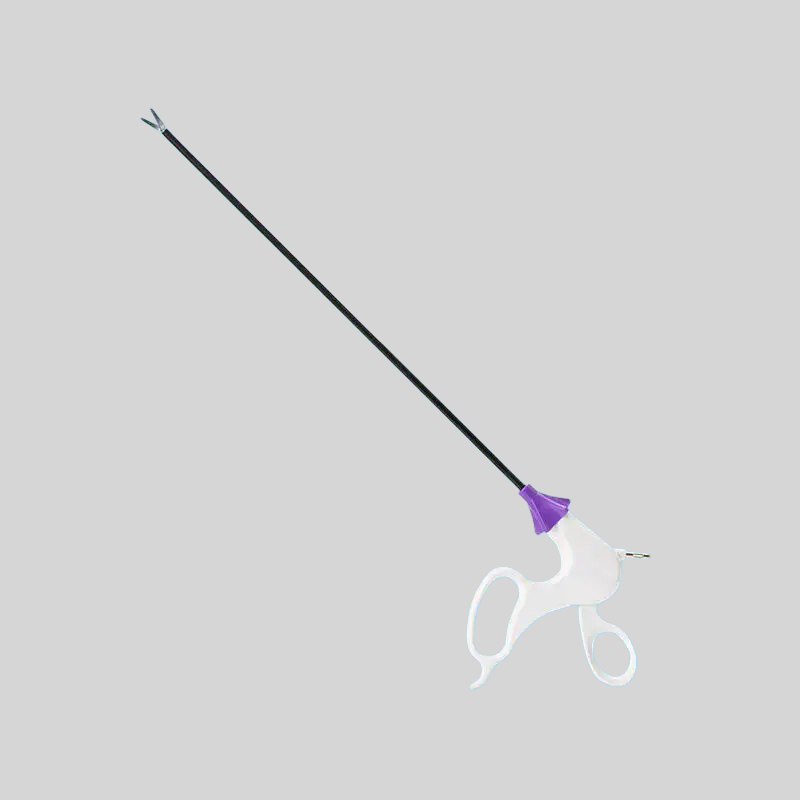
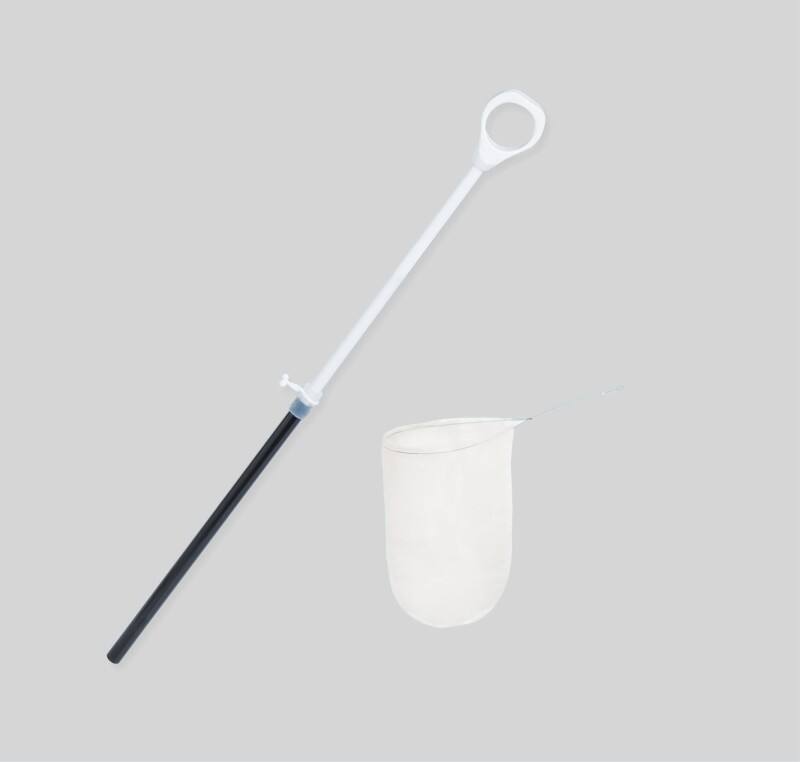
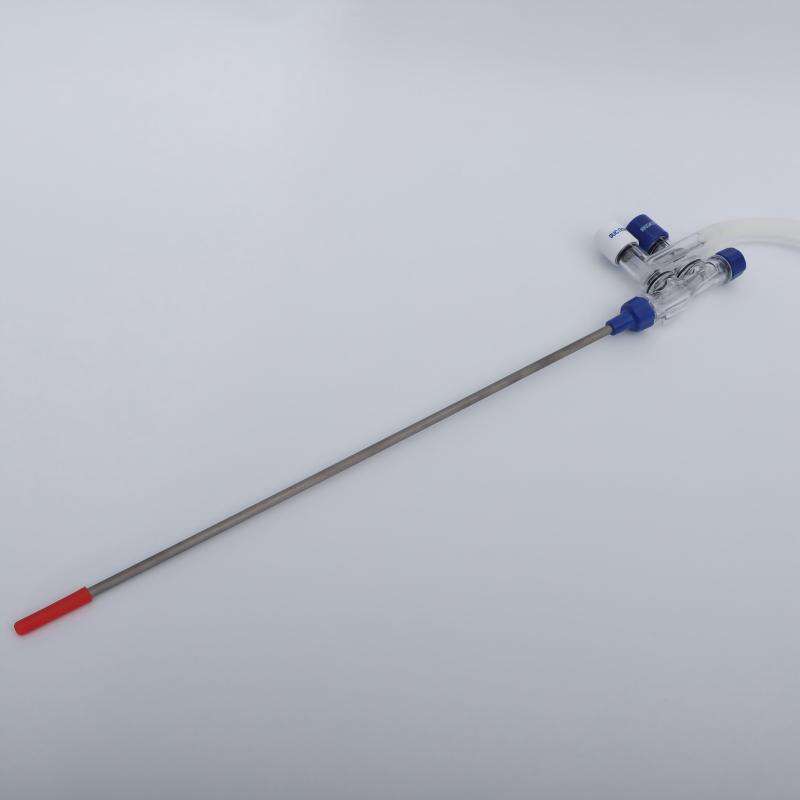
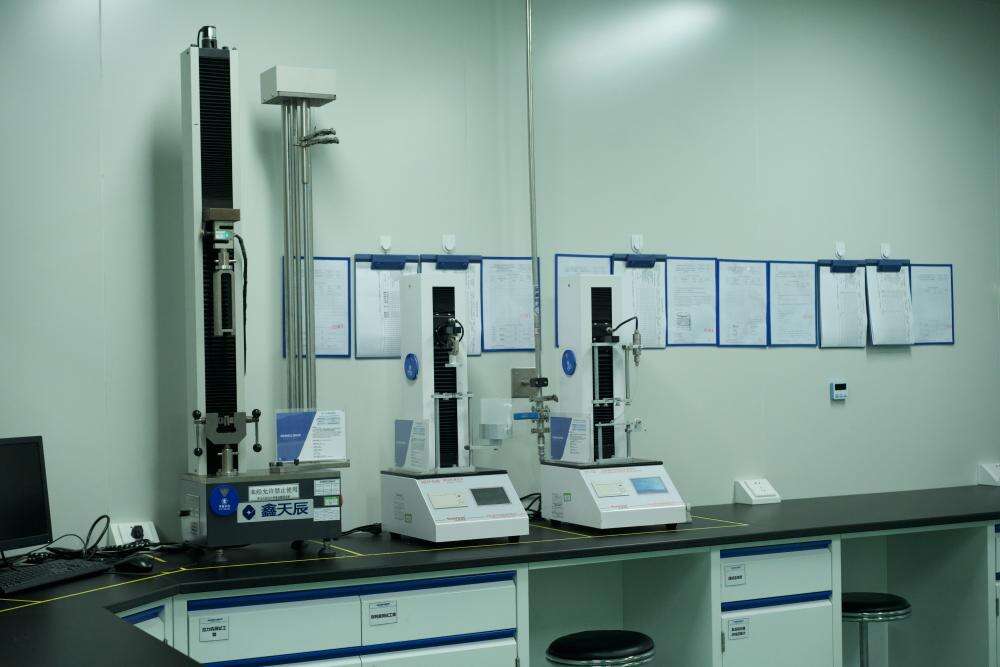
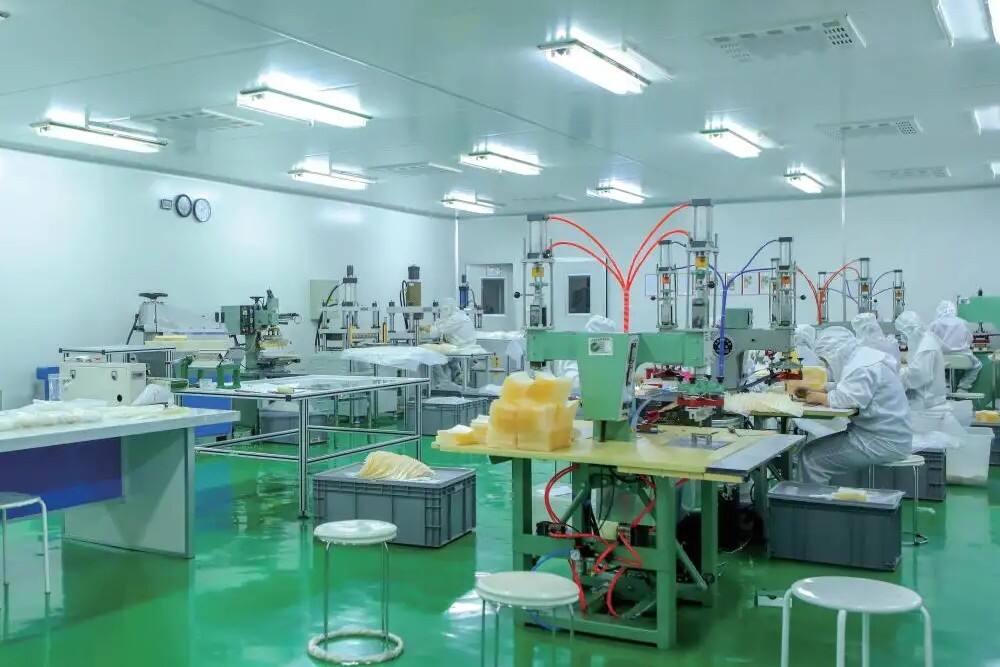
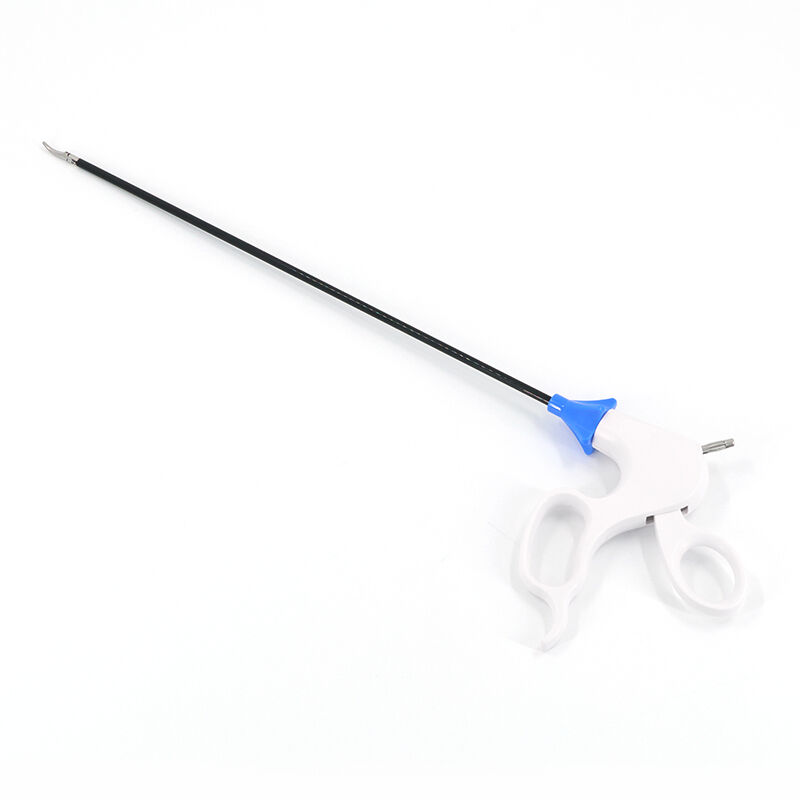
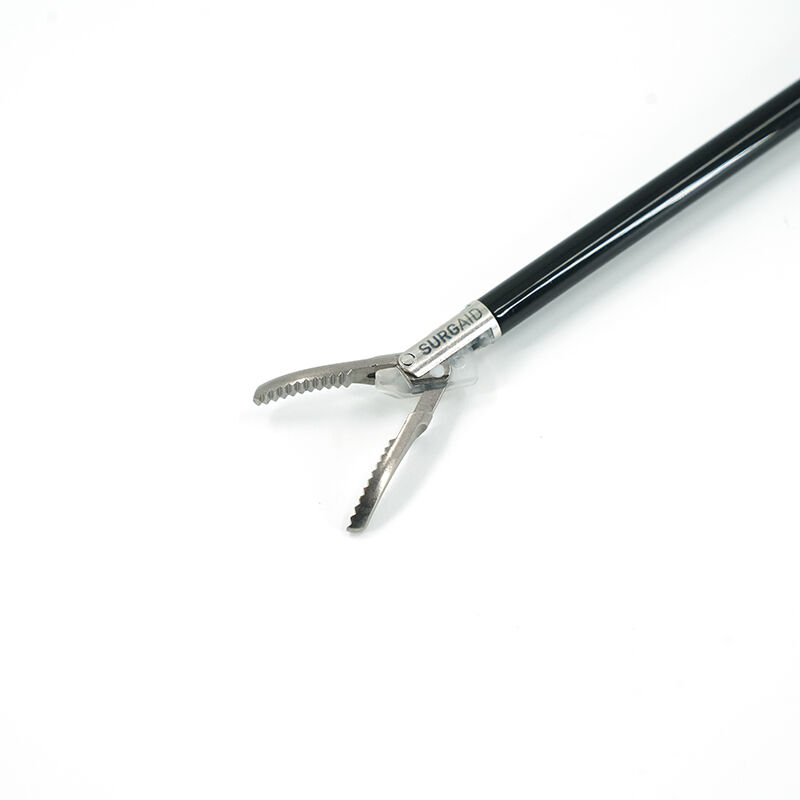
A laparoscopic graspers manufacturer specializes in producing essential surgical instruments designed for minimally invasive procedures. These specialized companies focus on creating precision tools that enable surgeons to perform complex operations through small incisions, revolutionizing modern surgical practices. The primary function of these manufacturers involves developing, producing, and distributing high-quality grasping instruments that serve as extensions of the surgeon's hands during laparoscopic procedures. These instruments are meticulously engineered to provide optimal grip strength, maneuverability, and durability while maintaining the highest safety standards. The technological features incorporated by a leading laparoscopic graspers manufacturer include advanced materials science, ergonomic design principles, and precision engineering techniques. Many manufacturers utilize state-of-the-art stainless steel alloys and specialized coatings that resist corrosion and maintain sharp edges throughout extended use. The manufacturing process typically involves computer-aided design systems, automated machining processes, and rigorous quality control protocols. Modern laparoscopic graspers feature articulating jaws, various tip configurations, and enhanced grip surfaces that accommodate different tissue types and surgical requirements. Applications of these instruments span numerous medical specialties including general surgery, gynecology, urology, and gastroenterology. Surgeons rely on these tools for tissue manipulation, organ retraction, specimen retrieval, and suturing assistance during laparoscopic procedures. The versatility of modern graspers allows for procedures ranging from gallbladder removal and appendectomies to complex cancer resections and reproductive surgeries. A reputable laparoscopic graspers manufacturer ensures their products meet international medical device regulations and undergo extensive testing for biocompatibility, mechanical strength, and sterility maintenance. The commitment to innovation drives continuous improvement in instrument design, leading to enhanced patient outcomes and improved surgical efficiency.



 EN
EN