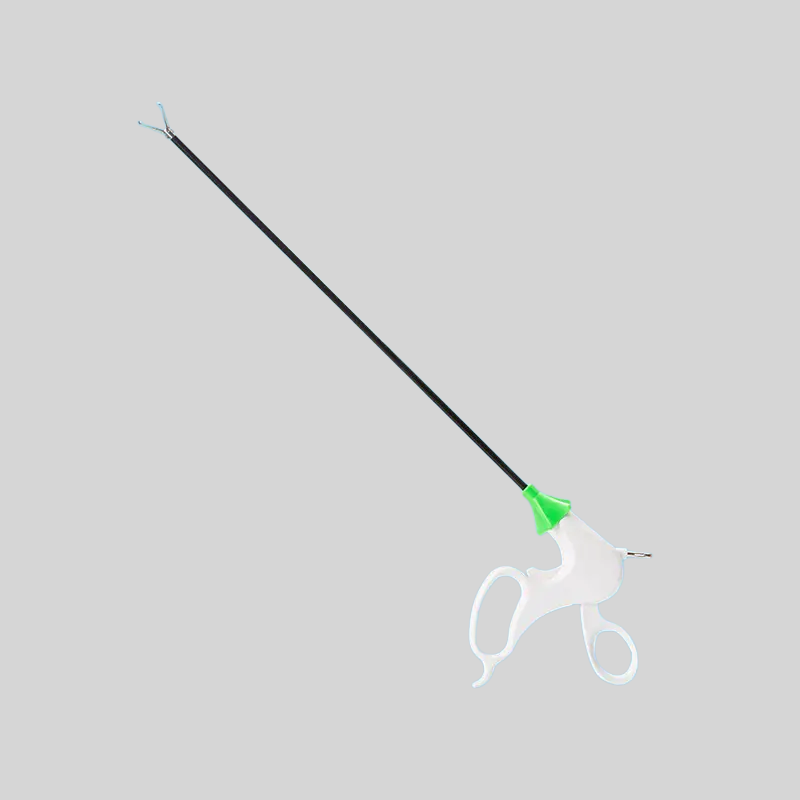
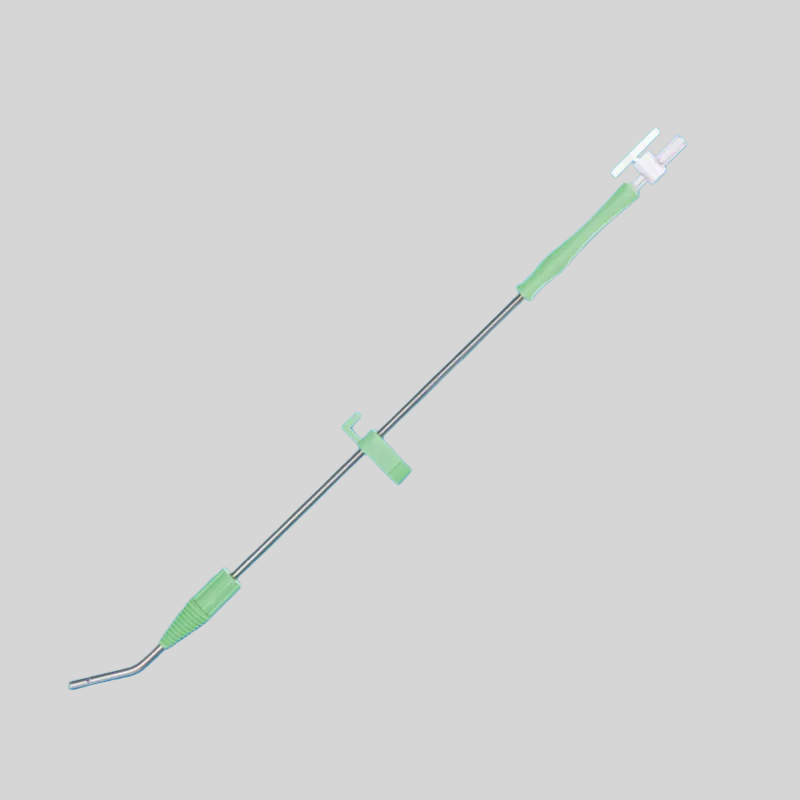
laparoscopic graspers
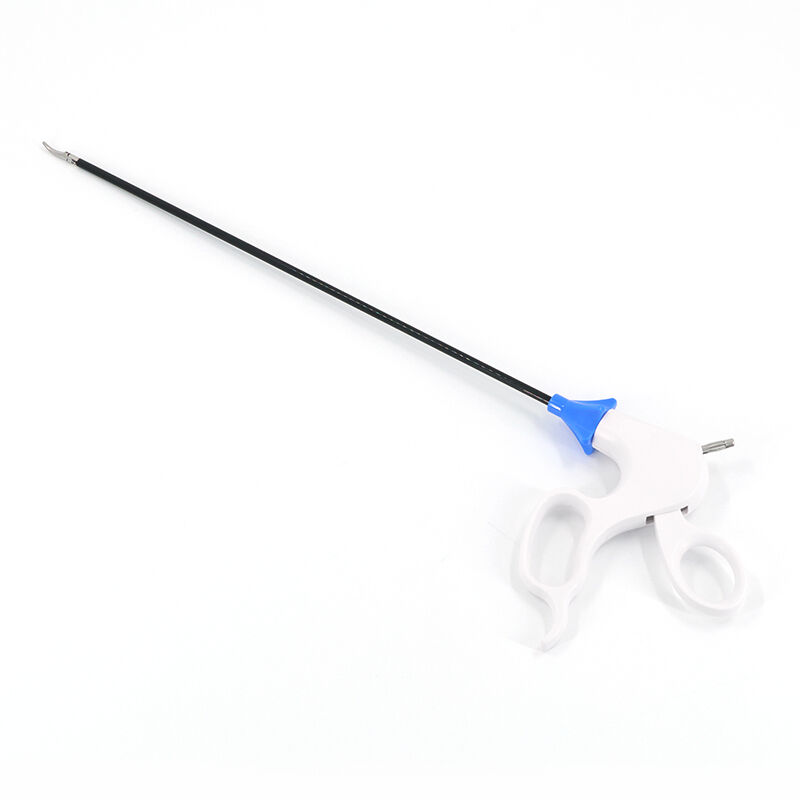
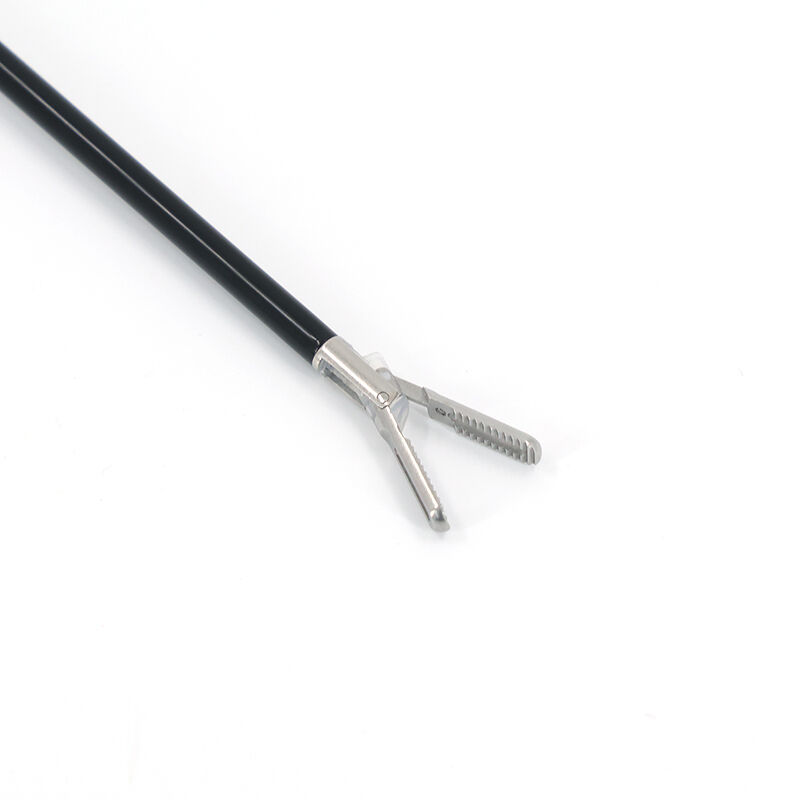
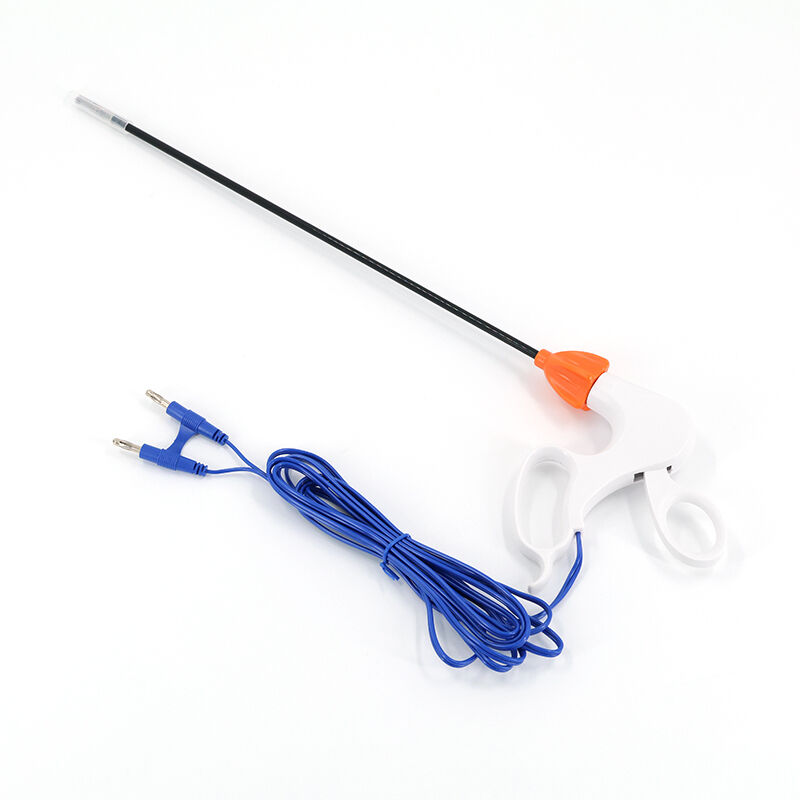
Laparoscopic graspers represent essential surgical instruments designed specifically for minimally invasive procedures, enabling surgeons to manipulate tissues and organs with remarkable precision through small incisions. These sophisticated tools serve as the surgeon's extended hands within the confined space of the abdomen, providing critical functionality during complex surgical operations. The primary functions of laparoscopic graspers encompass tissue manipulation, organ retraction, suture handling, and specimen extraction, making them indispensable components of modern surgical practice. These instruments feature ergonomic handles connected to elongated shafts that terminate in specialized jaws designed for various grasping applications. The technological features of contemporary laparoscopic graspers include advanced articulation mechanisms that allow multi-directional movement, enhanced grip surfaces for secure tissue handling, and durable construction materials that withstand repeated sterilization cycles. Many models incorporate innovative jaw designs with serrated or textured surfaces that provide optimal grip without causing tissue trauma. The shaft diameter typically ranges from 5mm to 12mm, accommodating different trocar sizes and surgical requirements. Modern laparoscopic graspers often feature 360-degree rotation capabilities, allowing surgeons to access difficult anatomical positions with ease. The applications of these instruments span numerous surgical specialties, including general surgery, gynecology, urology, and colorectal procedures. Surgeons rely on laparoscopic graspers for gallbladder removal, hernia repairs, appendectomies, and various reproductive system surgeries. The versatility of these tools extends to both therapeutic and diagnostic laparoscopic procedures, where precise tissue handling is paramount for successful outcomes. Quality laparoscopic graspers incorporate advanced metallurgy and surface treatments that enhance durability while maintaining optimal performance throughout their operational lifespan, ensuring consistent reliability during critical surgical moments.



 EN
EN