atraumatic laparoscopic graspers
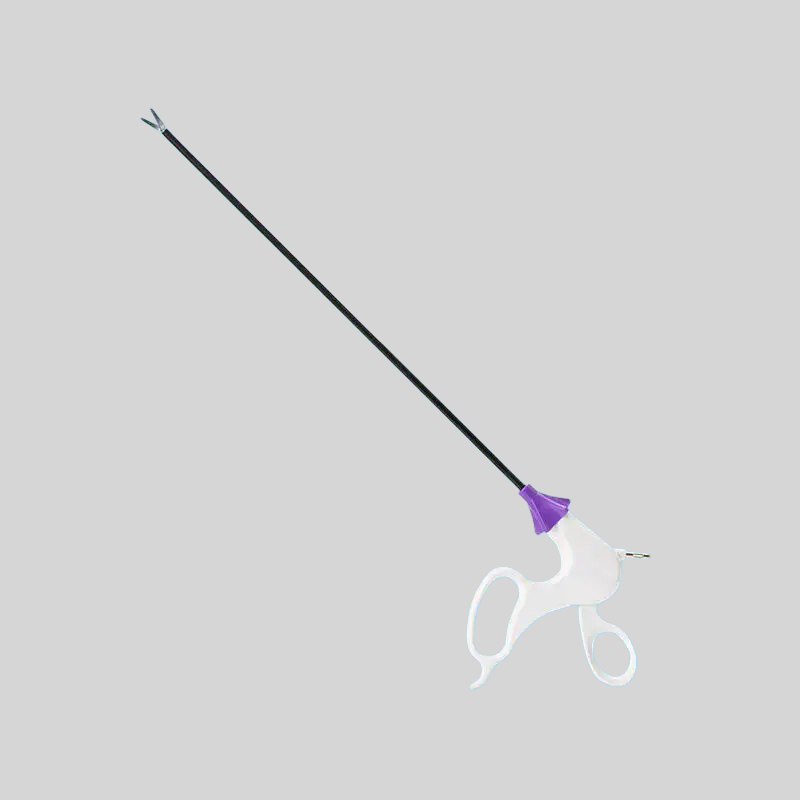
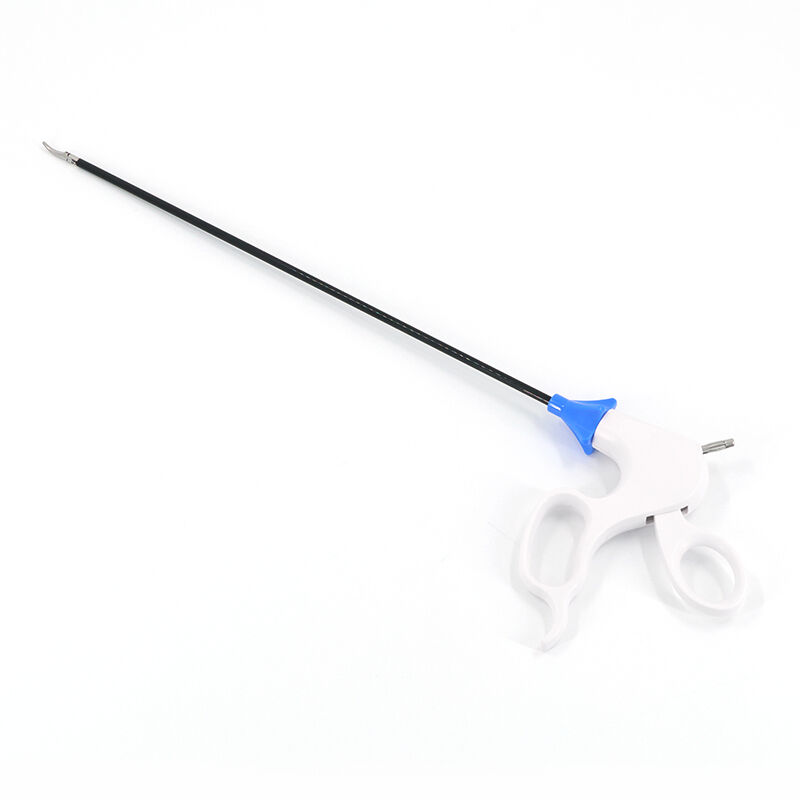
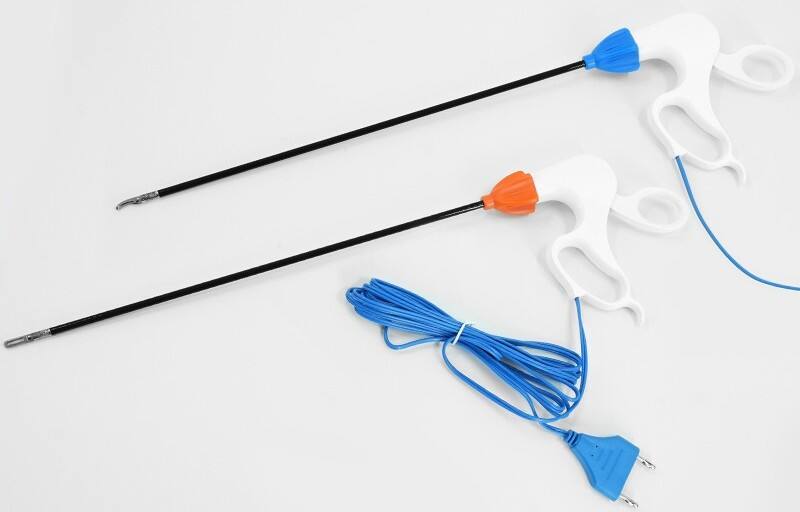
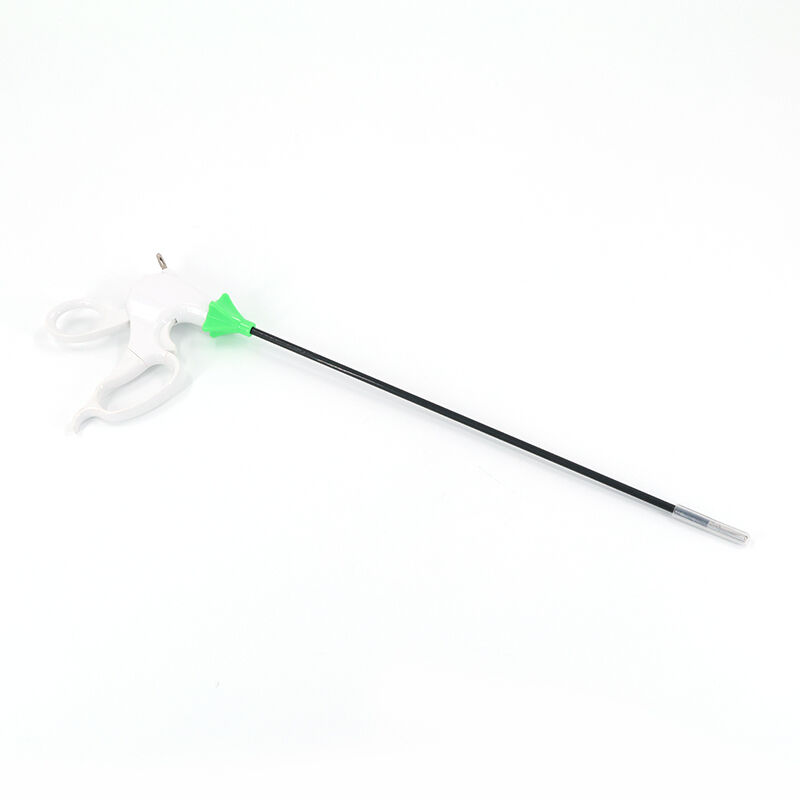
Atraumatic laparoscopic graspers represent a revolutionary advancement in minimally invasive surgical instrumentation, designed specifically to handle delicate tissues with exceptional precision while minimizing tissue damage during laparoscopic procedures. These sophisticated surgical instruments feature specially engineered jaw surfaces that distribute grasping forces evenly across tissue surfaces, preventing the crushing, tearing, or puncturing that traditional graspers might cause. The primary function of atraumatic laparoscopic graspers centers on providing surgeons with reliable tissue manipulation capabilities while maintaining tissue integrity throughout complex surgical procedures. Modern atraumatic laparoscopic graspers incorporate advanced materials science, utilizing medical-grade stainless steel construction combined with innovative surface treatments that enhance grip without compromising tissue viability. The technological features include ergonomically designed handles that provide optimal tactile feedback, allowing surgeons to maintain precise control over grasping pressure. Many models feature ratcheting mechanisms that enable consistent pressure application while reducing surgeon fatigue during lengthy procedures. The jaw design typically incorporates smooth, rounded edges with specialized texturing patterns that maximize grip while minimizing tissue trauma. These instruments commonly feature a 5mm diameter shaft compatible with standard laparoscopic trocars, ensuring seamless integration into existing surgical workflows. Applications for atraumatic laparoscopic graspers span numerous surgical specialties including general surgery, gynecology, urology, and thoracic surgery. In general surgery, these instruments prove invaluable for gallbladder removal, hernia repair, and bowel resection procedures where delicate tissue handling is paramount. Gynecological applications include ovarian cyst removal, hysterectomies, and endometriosis treatment where reproductive tissue preservation is critical. Urological procedures benefit from atraumatic laparoscopic graspers during kidney surgeries and prostate procedures where nerve preservation directly impacts patient outcomes. The instruments excel in thoracic procedures where lung tissue manipulation requires gentle handling to prevent air leaks and complications.

 EN
EN