 EN
EN

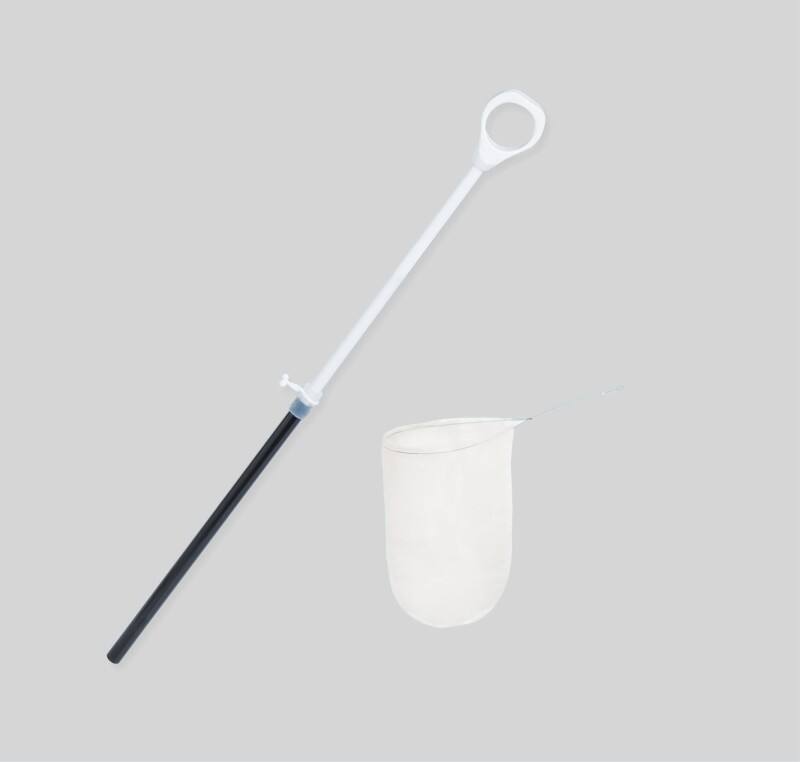
W nowoczesnych środowiskach chirurgicznych kontrola ryzyka zanieczyszczenia nie jest jedynie kliniczną preferencją — stanowi podstawowe wymaganie bezpośrednio wpływające na wyniki leczenia pacjentów, efektywność sal operacyjnych oraz współczynniki powikłań pooperacyjnych. Jednym z najbardziej systematycznie niedoszacowanych czynników przyczyniających się do zanieczyszczeń podczas operacji jest manipulowanie i usuwanie usuniętego materiału tkankowego, próbek operacyjnych lub fragmentów mas podczas małoinwazyjnych zabiegów. Dobrze zaprojektowany urządzenie do odzyskiwania rozwiązuje to wyzwanie w jego źródle, zawierając materiał biologiczny przed, podczas i po jego usunięciu z jamy ciała, co zasadniczo zmienia sposób, w jaki zespoły chirurgiczne zarządzają narażeniem na zanieczyszczenie w całym przebiegu zabiegu.
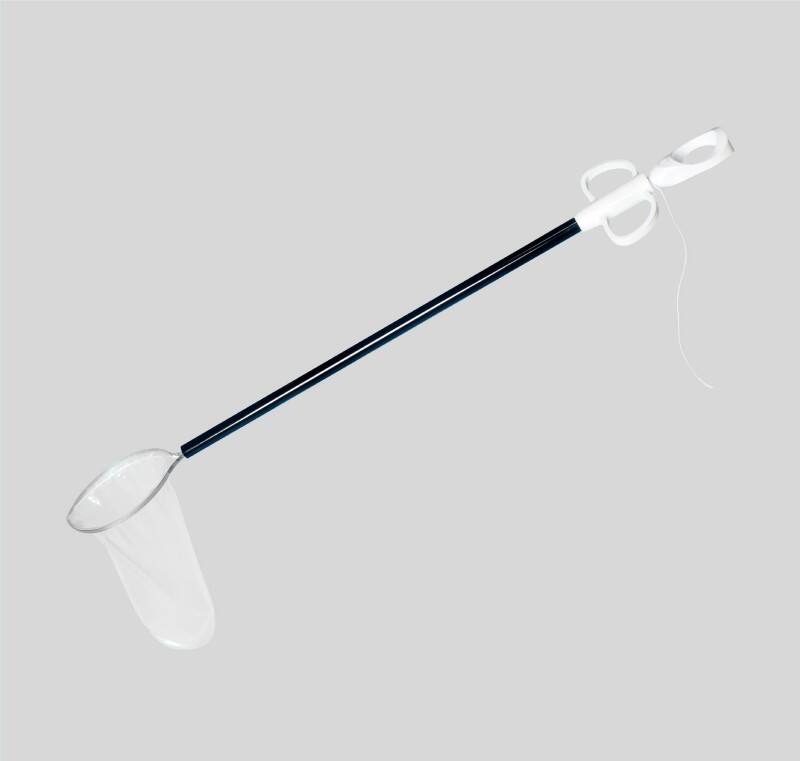
Zrozumienie, w jaki sposób urządzenie do pobierania materiału zmniejsza ryzyko zanieczyszczenia, wymaga przeanalizowania całego przebiegu zabiegu minimalnie inwazyjnego — od oddzielenia próbki do jej ostatecznego usunięcia. Mechanizm ten nie jest bierny; obejmuje celowo zaprojektowane cechy urządzenia, jego integrację z procedurą operacyjną oraz zgodność z przepływem pracy, które łącznie minimalizują kontakt między usuniętym materiałem tkankowym a otaczającymi sterylnymi obszarami. W niniejszym artykule szczegółowo omówione są te mechanizmy oraz wyjaśniono, w jaki sposób urządzenie do pobierania materiału funkcjonuje w ramach przepływu pracy chirurgicznej, przerywając ścieżki zanieczyszczenia, które w przeciwnym razie pozostawałyby otwarte.
Problem zanieczyszczenia w minimalnie inwazyjnej chirurgii
Źródła zanieczyszczenia podczas ekstrakcji próbki
Procedury minimalnie inwazyjne, takie jak laparoskopia i torakoskopia, zapewniają istotne korzyści dla pacjentów, w tym mniejsze cięcia i szybsze powroty do zdrowia. Jednak stwarzają one również specyficzne wyzwanie: usuwanie usuniętego materiału tkankowego przez wąskie porty bez narażania otaczającej jamy ciała lub ściany brzusznej na materiał biologiczny. Bez urządzenia do pobierania tkanki chirurdzy muszą manewrować luźnym materiałem tkankowym w ograniczonych przestrzeniach, co zwiększa prawdopodobieństwo kontaktu między próbą a powierzchniami otrzewnej, miejscami wkłucia trokarów lub kanałami narzędzi.
Taki kontakt nabiera znaczenia klinicznego, gdy usunięty materiał tkankowy zawiera komórki nowotworowe, materiał zakaźny lub gęsto unaczynione fragmenty podatne na krwawienie. Każdy niekontrolowany punkt kontaktu stanowi potencjalne zdarzenie zanieczyszczenia. Urządzenie do pobierania tkanki eliminuje wiele z tych zdarzeń, otaczając próbkę przed rozpoczęciem jakichkolwiek ruchów ekstrakcyjnych, przekształcając otwartą ekstrakcję w zamkniętą, kontrolowaną transmisję.
Ryzyko nie ogranicza się do przypadków nowotworowych. Nawet usunięcie tkanki łagodnej wiąże się z zagrożeniem zanieczyszczenia w przypadku wycieku żółci, pęknięcia torbieli lub wycieku płynów z jamowych struktur ustrojowych. Poprawnie zaprojektowane urządzenie do pobierania zapewnia szczelne środowisko, które zapobiega ucieczce tych płynów w fazie ekstrakcji, chroniąc tym samym zarówno pacjenta, jak i zespół operacyjny.
Rola niekontrolowanej fragmentacji tkanki
Morcelacja tkanki — czyli mechaniczna fragmentacja większych próbek w celu umożliwienia ich usunięcia przez małe nacięcia — znacznie zwiększa powierzchnię potencjalnego zanieczyszczenia. Każdy fragment stanowi nowy potencjalny punkt kontaktu. W przypadkach, w których tkanka może zawierać komórki nowotworowe, fragmentacja bez zastosowania środków zabezpieczających była wiązana z rozprzestrzenianiem się komórek w jamie otrzewnowej. Urządzenie do pobierania zapewnia barierę izolującą, która czyni morcelację bezpieczniejszą, gwarantując, że proces fragmentacji odbywa się całkowicie wewnątrz zamkniętego woreczka.
Ta metoda morcelacji w zamkniętej przestrzeni stała się standardową rekomendacją w wytycznych dotyczących chirurgii ginekologicznej i urologicznej. Urządzenie do pobierania materiału nie jest w tych procedurach jedynie dodatkowym akcesorium; stanowi ono kluczowy element umożliwiający zastosowanie tej techniki pod kątem bezpieczeństwa. Gdy fragmentacja zachodzi wewnątrz worka, a nie otwarcie w jamie ciała, ryzyko rozprzestrzeniania się komórek lub płynów jest zasadniczo ograniczone.
Jak urządzenie do pobierania materiału mechanicznie przerywa ścieżki zakażenia
Izolacja materiału przed rozpoczęciem jego ekstrakcji
Głównym mechanizmem redukcji zakażeń w przypadku urządzenia do pobierania materiału jest wcześniejsza izolacja materiału. Po resekcji docelowej tkanki urządzenie do pobierania materiału wprowadza się przez trokar i umieszcza wokół materiału lub pod nim, jeszcze przed podjęciem jakichkolwiek prób jego ekstrakcji. Kolejność tych czynności ma kluczowe znaczenie — zdarzenia zakażeniowe występują najczęściej wtedy, gdy chirurdzy próbują chwycić i manipulować luźną tkanką bezpośrednio przez miejsce wkłucia.
Poprzez najpierw przechwycenie próbki i jej usunięcie wewnątrz worka urządzenie do pobierania tworzy barierę fizyczną między materiałem biologicznym a wszystkimi kolejnymi powierzchniami kontaktowymi. Próbka jest następnie wyjmowana jako zamknięta jednostka, co znacznie zmniejsza liczbę powierzchni, których dotyka w trakcie ścieżki ekstrakcji. Miejsca wkłucia trokarów, kanały instrumentów laparoskopowych oraz brzeg skóry są chronione dzięki tej pojedynczej interwencji.
Projekt urządzenia do pobierania ma w tym etapie istotne znaczenie. Worki z szerokimi otworami wejściowymi, elastycznymi pierścieniami samorozwijającymi się lub ramkami z pamięcią kształtu pozwalają chirurgom na bardziej niezawodne przechwytywanie próbek i wymagają mniejszej liczby prób ich ponownego pozycjonowania. Każda próba ponownego pozycjonowania stanowi samo w sobie potencjalne zdarzenie zakażenia, dlatego intuicyjna geometria przechwytywania stanowi istotną cechę zapewniającą bezpieczeństwo.
Zamknięta transferowa i ochrona miejsca wkłucia
Po przechwyceniu próbki urządzenie do pobierania musi zachować integralność jej zawartości w całym czasie procesu ekstrakcji. Obejmuje to wytrzymanie naprężeń mechanicznych występujących podczas przesuwania urządzenia przez port trokara, odporność na przebicie spowodowane kontaktem z instrumentami oraz utrzymanie szczelnego zamknięcia u szyjki worka pod wpływem działającej siły napinającej. Przemieszczenie guza nowotworowego w obrębie miejsca wkłucia — czyli rozsiew komórek złośliwych w miejscach nacięć — jest uznawaną powikłą onkologicznej chirurgii laparoskopowej, a niewystarczająca izolacja próbki podczas jej ekstrakcji stanowi czynnik sprzyjający temu zjawisku.
Wysokiej jakości konstrukcje urządzeń do pobierania rozwiązują ten problem dzięki foliom polimerowym odpornym na przebicie, wielokrotnym mechanizmom zamykania oraz systemom sznurkowym lub kurczowym, które stopniowo dokręcają otwór worka w miarę przesuwania próbki w kierunku portu. Niektóre konstrukcje zawierają wzmocnione kołnierze szyjki worka zapobiegające ich rozerwaniu pod wpływem siły ekstrakcyjnej, co gwarantuje szczelne zamknięcie worka nawet przy znacznych siłach działających podczas usuwania tkanki.
Urządzenie do pobierania chroni również samo miejsce wkłucia podczas morcelacji. Gdy morcelator jest wprowadzany do zamkniętego worka przez szyjkę worka, a nie do otwartej jamy ciała, cały proces fragmentacji przebiega w sposób całkowicie zamknięty. Płyn, pozostałości komórkowe oraz cząstki tkankowe pozostają wewnątrz worka i są usuwane razem z nim na końcu zabiegu, dzięki czemu miejsce wkłucia trokara nie jest w żadnym momencie narażone na kontakt z materiałem resekcji.
Integracja przepływu pracy i bezpieczeństwo zespołu
Standaryzacja kontroli zanieczyszczeń w całym zespole chirurgicznym
Urządzenie do pobierania nie chroni tylko pacjenta — standardyzuje również procedury kontroli zanieczyszczeń dla całego zespołu chirurgicznego. W zabiegach, w których nie określono wyraźnego przepływu pracy związanego z pobieraniem materiału, poszczególni członkowie zespołu mogą obsługiwać próbki tkankowe w wielu momentach: podczas początkowego wydobycia, podczas przenoszenia próbki na stolik pomocniczy oraz podczas przekazywania jej do patomorfologii. Każde z tych przekazań stanowi ryzyko zanieczyszczenia rękawiczek, powierzchni lub narażenia na biologiczne czynniki zawieszone w powietrzu.
Gdy urządzenie do pobierania jest stosowane systematycznie, próbka pozostaje zamknięta od chwili jej pobrania aż do momentu badania patomorfologicznego. Technicy operacyjni i pielęgniarki obiegowe mają kontakt z zapieczętowaną woreczką, a nie z odsłoniętą tkanką, co zmniejsza ich narażenie na zanieczyszczenia. Ta standaryzacja ułatwia również dokumentowanie środków kontroli zanieczyszczeń, co staje się coraz ważniejsze w procesach akredytacji oraz oceny jakości zabiegów chirurgicznych.
Spójne stosowanie urządzenia do pobierania zmniejsza również zmienność wyników. Gdy zapobieganie zanieczyszczeniom zależy od indywidualnej oceny lub nieformalnych technik, wyniki różnią się w zależności od doświadczenia chirurga oraz złożoności przypadku. Zdefiniowany przepływ pracy z wykorzystaniem urządzenia do pobierania eliminuje znaczną część tej zmienności, wprowadzając zabezpieczenie przed rozprzestrzenianiem się zanieczyszczeń bezpośrednio do sekwencji zabiegowej, zamiast pozostawiać to kwestię improwizacji.
Zmniejszanie zanieczyszczeń wtórnych w środowisku sali operacyjnej
Ryzyko zanieczyszczenia nie kończy się na miejscu wkłucia trokara. Próbki pobrane bez użycia urządzenia do pobierania muszą być transportowane przez pole sterylne, umieszczane w pojemnikach na próbki oraz przekazywane poza salę operacyjną. W trakcie każdego z tych etapów płyny biologiczne lub materiał komórkowy mogą zanieczyścić tace ze sprzętem chirurgicznym, powierzchnie okrywające oraz obszary podłogi w pobliżu stołu operacyjnego. Takie wtórne zdarzenia zanieczyszczenia są trudne do śledzenia, a jeszcze trudniejsze do przypisania konkretnym skutkom, jednak przyczyniają się one do ogólnego obciążenia mikrobiologicznego oraz ryzyka infekcji w środowisku operacyjnym.
Urządzenie do pobierania, które zapewnia utrzymanie izolacji przez cały ten łańcuch, przekształca wieloetapowe zagrożenie zanieczyszczeniem w pojedynczy, kontrolowany proces zamkniętego przenoszenia. Worki przemieszczają się z pola operacyjnego do pojemnika na próbki bez narażania żadnej pośredniej powierzchni. Ta prostota przynosi korzyści operacyjne wykraczające poza kontrolę zanieczyszczeń — przyspiesza obsługa próbek, zmniejsza liczbę przejść instrumentów oraz umożliwia zespołowi chirurgicznemu utrzymanie skupienia na głównym zabiegu zamiast zarządzania logistyką luźnych tkanek.
Cechy konstrukcyjne maksymalizujące redukcję zanieczyszczeń
Wybór materiału oraz właściwości barierowe
Wydajność urządzenia do pobierania w zakresie redukcji zanieczyszczeń jest bezpośrednio uzależniona od materiałów użytych do jego wykonania. Cienkie, elastyczne folie poliuretanowe lub wielowarstwowe folie polimerowe są preferowane ze względu na połączenie odporności na przebicie, przezroczystości i giętkości — cech pozwalających torbie dopasować się do nieregularnych kształtów próbki bez pęknięcia. Przezroczystość ma szczególne znaczenie, ponieważ umożliwia chirurgom wizualne potwierdzenie położenia i orientacji próbki wewnątrz urządzenia do pobierania bez wcześniejszego otwierania torby.
Integralność szwów stanowi kolejny kluczowy aspekt materiałowy. Torby ze szwami połączonymi metodą zgrzewania cieplnego lub za pomocą spawania ultradźwiękowego charakteryzują się większą odpornością na przecieki pod wpływem obciążeń mechanicznych niż te ze szwami klejonymi. W sytuacjach ekstrakcji wymagających dużego napięcia awaria szwu jest najczęstszym rodzajem uszkodzenia, co czyni konstrukcję szwów istotnym czynnikiem różnicującym bezpieczeństwo działania urządzeń do pobierania.
Mechanizm zamykający ujście torby musi działać niezawodnie w warunkach wilgotnych, przy używaniu rękawiczek oraz przy ograniczonej czuciu dotykowym. Systemy sznurkowe, kołnierze z zatrzaskiem i pętle samozaciskowe spełniają tę funkcję, jednak najbardziej niezawodne konstrukcje umożliwiają dokręcanie jednoręcznie, dzięki czemu chirurg nie musi puszczać innych narzędzi w trakcie etapu zamykania. Urządzenie do pobierania materiału, którego szybkie zamknięcie sprawia trudności, staje się raczej źródłem zakażenia niż jego zapobieganiem.
Zgodność ze standardowymi instrumentami laparoskopowymi oraz rozmiarami portów
Urządzenie do pobierania materiału, którego nie można wprowadzić i ustawić wydajnie za pomocą standardowych konfiguracji portów, wydłuża czas procedury i zwiększa jej złożoność, co może skłonić zespoły chirurgiczne do rezygnacji z jego stosowania w przypadkach granicznych. Zgodność z trokarami o średnicy 10 mm, 12 mm oraz 15 mm zapewnia, że urządzenie do pobierania materiału łatwo integruje się z istniejącymi zestawami narzędzi bez konieczności dokonywania dodatkowych ulepszeń portów lub zakupu specjalistycznego sprzętu do dostępu.
Wprowadzenie urządzenia do pobierania powinno zająć nie więcej niż kilka sekund i nie powinno wymagać ponownego pozycjonowania innych narzędzi już znajdujących się w miejscu zabiegowym. Urządzenia, które samoczynnie rozwijają się po wprowadzeniu — automatycznie rozszerzając się do funkcjonalnej pozycji chwytania — zmniejszają obciążenie chirurga wynikające z konieczności manipulacji oraz skracają czas pomiędzy odłączeniem próbki a jej zamknięciem w worku, co stanowi okres najwyższej ryzyka niekontrolowanego kontaktu tkanki.
Dobór urządzenia do pobierania obejmuje również jego zgodność z systemami morcelatorów powszechnie stosowanymi w danej jednostce chirurgicznej. Gdy średnica szyjki urządzenia do pobierania została zaprojektowana tak, aby mogły w niej pomieścić się standardowe wałki morcelatorów, chirurdzy mogą przejść od etapu chwytania do etapu fragmentacji bez konieczności przemieszczania worka, zapewniając ciągłą izolację materiału na całym etapie zabiegowym.
Często zadawane pytania
W którym momencie zabiegu należy wprowadzić urządzenie do pobierania?
Urządzenie do pobierania powinno zostać wprowadzone natychmiast po zakończeniu resekcji materiału i przed jakimkolwiek próbą chwytania lub przemieszczania odłączonego tkanki. Okres między odłączeniem a umieszczeniem w pojemniku stanowi okres najwyższej ryzyka niekontrolowanej kontaminacji, dlatego wcześniejsze wdrożenie urządzenia jest niezbędne. W planowanych procedurach resekcji urządzenie do pobierania jest zazwyczaj przygotowywane i gotowe do wprowadzenia jeszcze przed rozpoczęciem kroku resekcji, aby zminimalizować czas pomiędzy tymi dwoma czynnościami.
Czy urządzenie do pobierania można stosować zarówno w zabiegach chirurgicznych otwartych, jak i laparoskopowych?
Chociaż urządzenie do pobierania próbek jest najczęściej kojarzone z zabiegami laparoskopowymi i torakoskopowymi, zasada izolacji dotyczy również chirurgii otwartej, szczególnie przy usuwaniu struktur torbielowatych, tkanki zakażonej lub materiału o znaczeniu onkologicznym. Zmodyfikowane wersje urządzeń do pobierania próbek przeznaczone do dostępu otwartego pozwalają chirurgom stosować tę samą zasadę izolacji w zabiegach, w których ryzyko zanieczyszczenia podczas ekstrakcji pozostaje klinicznie istotne.
W jaki sposób urządzenie do pobierania próbek pomaga zapobiegać przerzutom w miejscu wkłucia?
Przemieszczenie guza do miejsca wkłucia (metastaza w miejscu portu) występuje, gdy komórki nowotworowe uwalniające się z niecałkowicie izolowanego materiału operacyjnego osadzają się w miejscu wkłucia trokara podczas jego ekstrakcji. Urządzenie do pobierania zapobiega temu zjawisku, zapewniając, że materiał operacyjny nigdy bezpośrednio nie styka się z tkanką w miejscu portu. Gdy morcelacja jest wykonywana wewnątrz zamkniętego worka, fragmenty tkanki i pozostałości komórkowe pozostają cały czas zamknięte, eliminując bezpośredni kontakt, który stanowiłby ścieżkę dla potencjalnej implantacji.
Na jakie cechy zespoły chirurgiczne powinny zwracać uwagę przy wyborze urządzenia do pobierania do rutynowego stosowania w laparoskopii?
Kluczowe czynniki wpływające na wybór obejmują odporność materiału worka na przebicie, jakość wykonania szwów, niezawodność mechanizmu zamykania w warunkach wilgotnych, zgodność z istniejącymi rozmiarami trokarów oraz łatwość wprowadzania i rozwijania urządzenia. Zespoły przeprowadzające zabiegi wymagające morcelacji powinny również potwierdzić zgodność urządzenia z ich systemami morcelacyjnymi. Urządzenie do pobierania, które jest zarówno mechanicznie niezawodne, jak i ergonomicznie wydajne, będzie prawdopodobnie stosowane w sposób spójny, co ostatecznie decyduje o jego rzeczywistej wartości w zakresie redukcji zanieczyszczeń.
Spis treści
- Problem zanieczyszczenia w minimalnie inwazyjnej chirurgii
- Jak urządzenie do pobierania materiału mechanicznie przerywa ścieżki zakażenia
- Integracja przepływu pracy i bezpieczeństwo zespołu
- Cechy konstrukcyjne maksymalizujące redukcję zanieczyszczeń
-
Często zadawane pytania
- W którym momencie zabiegu należy wprowadzić urządzenie do pobierania?
- Czy urządzenie do pobierania można stosować zarówno w zabiegach chirurgicznych otwartych, jak i laparoskopowych?
- W jaki sposób urządzenie do pobierania próbek pomaga zapobiegać przerzutom w miejscu wkłucia?
- Na jakie cechy zespoły chirurgiczne powinny zwracać uwagę przy wyborze urządzenia do pobierania do rutynowego stosowania w laparoskopii?