 EN
EN

In modern minimally invasive surgery, a retrieval device has moved from being a convenience tool to an absolute clinical necessity. As laparoscopic and endoscopic procedures have replaced open surgeries across a wide range of specialties, the need to safely capture and remove tissue specimens, stones, or foreign bodies without breaching containment has become a defining standard of care. Surgeons today rely on a well-designed retrieval device not just for technical efficiency but for protecting patients from complications such as port-site contamination, tumor cell spillage, and intra-abdominal dissemination.
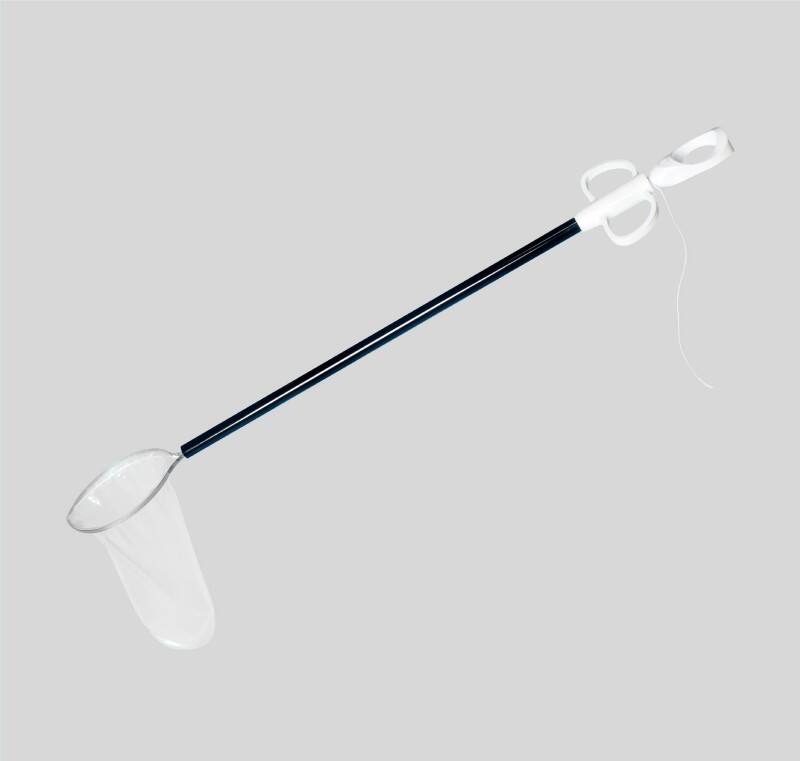
Understanding which surgical procedures truly require a retrieval device helps hospitals standardize procurement, helps surgical teams plan safe workflows, and helps procurement officers make informed decisions. This article identifies the core procedural categories where the use of a retrieval device is no longer optional but is considered an essential component of the surgical setup. From oncological resections to urological stone clearance, the clinical case for these tools is compelling and evidence-supported.
The Role of a Retrieval Device in Oncological Laparoscopic Surgery
Preventing Tumor Cell Dissemination During Specimen Extraction
Oncological procedures represent the most critical category where a retrieval device is considered non-negotiable. When surgeons remove cancerous tissue laparoscopically, the risk of inadvertently seeding tumor cells into the peritoneal cavity or along the port tract is a genuine and well-documented concern. A containment-grade retrieval device provides an enclosed environment during specimen extraction, preventing direct contact between the excised tissue and the surgical field.
Laparoscopic nephrectomy for renal cell carcinoma, for example, demands reliable specimen containment from the moment the kidney is detached. The same logic applies to adrenalectomy, where the adrenal gland may carry a primary malignancy or metastatic deposits. Without a retrieval device, extraction through a trocar site dramatically raises the risk of local recurrence, a complication that can significantly worsen patient prognosis.
Regulatory guidance and surgical oncology guidelines in most countries now reference the use of a retrieval device as a best practice in these scenarios. Hospitals that standardize its use in all oncological laparoscopic cases report fewer port-site recurrences and cleaner pathological margins on specimens, since intact tissue preservation within the bag contributes to more accurate histological assessment.
Colorectal and Gynecological Cancer Resections
In laparoscopic colorectal surgery for malignant indications, a retrieval device is increasingly used to contain resected bowel segments before extraction, particularly in cases of T3 or T4 tumors. While the colon is typically brought out through a small incision, using a containment retrieval device during the intra-abdominal phase protects against serosal disruption and spillage of tumor-laden luminal contents.
Gynecological oncology has similarly elevated the status of the retrieval device. Following the widespread discussion around morcellation and its associated risks in fibroid surgery, the American College of Obstetricians and Gynecologists and equivalent bodies globally began recommending contained power morcellation, where a specialized retrieval device forms the containment system. Laparoscopic hysterectomy performed for endometrial or cervical cancer also benefits from bag-based specimen retrieval to avoid peritoneal implantation.
Urological Procedures Requiring a Retrieval Device
Stone Retrieval in Ureteroscopy and Percutaneous Nephrolithotomy
Urology is one of the most volume-intensive specialties using a retrieval device on a daily basis. Ureteroscopic procedures for ureteral or renal calculi involve fragmenting stones with laser energy and then capturing the fragments for removal. A basket-style or pouch-style retrieval device is the primary instrument for this task, ensuring that stone fragments are collected efficiently rather than allowed to scatter into the collecting system or pass uncontrolled.
In percutaneous nephrolithotomy (PCNL), larger stone burdens are addressed through a nephroscope, and a retrieval device is used to extract calculus fragments through the nephrostomy tract. Given that stone analysis directly informs metabolic workup and recurrence prevention strategies, intact retrieval in a dedicated retrieval device also serves a diagnostic purpose. Submitting fragmented stone material in an organized container improves laboratory analysis accuracy.
Flexible ureteroscopy combined with holmium laser lithotripsy has become the gold standard for managing stones up to 20 mm, and the retrieval device — typically a nitinol basket or retrieval pouch — is an inseparable part of this workflow. Surgeons select the appropriate retrieval device size and configuration based on stone burden, location, and fragmentation degree, making it a highly procedure-specific instrument rather than a generic accessory.
Laparoscopic Nephrectomy and Partial Nephrectomy
Beyond stone management, urological laparoscopic resections require a retrieval device for safe organ extraction. Laparoscopic radical nephrectomy, donor nephrectomy for transplantation, and partial nephrectomy for small renal masses all involve removing tissue that must be kept clean and intact during the extraction phase. A well-designed retrieval device allows the surgeon to guide the specimen toward the port site while maintaining full containment.
In living-donor nephrectomy specifically, the integrity of the harvested kidney depends partly on avoiding trauma during extraction. A retrieval device with a wide opening and a durable, flexible bag material reduces mechanical trauma while enabling smooth passage through the extraction incision. Transplant centers increasingly specify the use of a validated retrieval device in their operative protocols for this reason.
General Surgery Applications Where a Retrieval Device Is Essential
Laparoscopic Cholecystectomy and Complicated Gallbladder Cases
Laparoscopic cholecystectomy is the most commonly performed laparoscopic procedure worldwide, and while it does not always mandate a retrieval device in straightforward cases, its use becomes essential when the gallbladder is perforated, acutely inflamed, or suspected of harboring malignancy. Unsuspected gallbladder carcinoma is detected in a small but clinically significant percentage of cholecystectomy specimens, and bile spillage during extraction without containment has been linked to adverse outcomes including peritoneal carcinomatosis.
Surgeons operating on patients with pericholecystic abscess, empyema, or thick-walled gallbladders routinely deploy a retrieval device to minimize contamination risk. Similarly, when the cystic duct is short or the anatomy is unclear, placing the gallbladder into a retrieval device before final dissection completion provides an additional margin of safety against bile leakage into the peritoneal cavity.
General surgery departments that have implemented a universal retrieval device policy for cholecystectomy report a measurable reduction in bile spillage-related complications such as bile peritonitis and port-site bile leakage. This has driven adoption even in routine cases, particularly in high-volume laparoscopic centers where process standardization improves efficiency and reduces variability.
Splenectomy and Adrenalectomy
Laparoscopic splenectomy, particularly for hematological conditions such as immune thrombocytopenic purpura or hereditary spherocytosis, requires a retrieval device that can accommodate the often-enlarged spleen. In these cases, the spleen must be morcellated within the bag before extraction, making the strength and tear resistance of the retrieval device a critical performance parameter. A bag that ruptures during in-bag morcellation can lead to splenosis — the implantation of splenic tissue throughout the abdominal cavity — a complication that is difficult to manage.
Laparoscopic adrenalectomy for pheochromocytoma presents another scenario where the retrieval device is essential. Manipulation of a pheochromocytoma without containment risks catecholamine release and hemodynamic instability. Placing the gland into a retrieval device early in the dissection provides a safer pathway to extraction and reduces the risk of intraoperative hypertensive crises caused by repeated contact with the tumor surface.
Bariatric and Gastrointestinal Procedures with Retrieval Requirements
Sleeve Gastrectomy and Gastric Banding Revision
Bariatric surgery generates a unique retrieval challenge. During laparoscopic sleeve gastrectomy, the stapled gastric sleeve — a large, bulky tissue specimen — must be removed from the abdomen through a small incision. A durable retrieval device enables the surgeon to gather and compress this specimen for extraction without enlarging the trocar site unnecessarily, which is particularly important in bariatric patients given their increased risk of wound complications.
In revision bariatric procedures, such as the removal of a failed gastric band or conversion of a gastric band to sleeve, a retrieval device facilitates clean removal of the band and associated fibrous tissue without scattering debris. These revisions are technically demanding, and having a reliable retrieval device as part of the standard tray reduces intraoperative decision-making complexity.
Appendectomy and Complicated Bowel Resection
Laparoscopic appendectomy, while frequently uncomplicated, becomes an essential use case for a retrieval device when the appendix is perforated or gangrenous. Extracting a fragile, infected appendix through a trocar site without containment risks contaminating the port tract with fecal matter and bacteria, leading to port-site infections or abscess formation. A dedicated retrieval device mitigates this risk by enclosing the specimen before it contacts the abdominal wall layers.
For laparoscopic bowel resections involving diverticular disease or Crohn's segments, the excised bowel — even when benign — carries luminal bacterial loads that pose contamination risks during extraction. Using a retrieval device as a containment step before delivering the specimen through a protected incision is a practice endorsed by colorectal societies seeking to reduce surgical site infection rates in minimally invasive colorectal surgery.
FAQ
Is a retrieval device mandatory for all laparoscopic surgeries?
Not every laparoscopic procedure legally requires a retrieval device, but its use is considered essential in procedures involving malignant tissue, infected specimens, friable organs, or significant contamination risk. In oncological, urological, and complicated general surgery cases, it is a clinical standard rather than an optional step.
What makes one retrieval device more suitable than another for a specific procedure?
The selection of a retrieval device depends on specimen size, the need for in-bag morcellation, the fragility of the tissue, and the available extraction incision size. Procedures involving large organs like the spleen require high tear-resistance bags, while urological stone retrieval benefits from smaller, precision-shaped designs with secure closure mechanisms.
Can a retrieval device affect specimen quality for pathological examination?
Yes. A well-chosen retrieval device preserves specimen integrity during extraction, which directly supports more accurate histopathological analysis. Bags that prevent fragmentation during extraction allow pathologists to assess margins, architecture, and staging features more reliably than specimens that arrive damaged or contaminated.
How has the use of a retrieval device evolved in gynecological surgery?
Following concerns about undetected uterine malignancy during morcellation procedures, the use of a containment-based retrieval device became a central recommendation in gynecological surgery guidelines. Contained morcellation using a specialized retrieval device allows surgeons to fragment tissue for extraction while preventing intra-abdominal dissemination, fundamentally changing how minimally invasive hysterectomy and myomectomy are performed.