 EN
EN

W chirurgii minimalnie inwazyjnej bezpieczne usuwanie materiału tkankowego z jamy ciała jest jednym z najważniejszych etapów całego zabiegu. Dobrze zaprojektowane urządzenie do odzyskiwania odgrywa kluczową rolę w zapewnieniu, że usunięte tkanki, narządy lub ogniska chorobowe są zawarte, chronione i wydobywane bez zanieczyszczenia otaczającego pola operacyjnego. W miarę jak procedury laparoskopowe i wspomagane robotycznie stają się standardem opieki w chirurgii ogólnej, ginekologii oraz urologii, znaczenie niezawodnego zawierania materiału do badania nigdy nie było większe.
Zrozumienie, w jaki sposób urządzenie do pobierania materiału poprawia bezpieczeństwo ekstrakcji specymentów chirurgicznych, wymaga analizy zarówno konstrukcji mechanicznej tych narzędzi, jak i ryzyka klinicznego, którego zapobieganie stanowi ich główny cel inżynieryjny. Od zapobiegania zanieczyszczeniu miejsca wkłucia po umożliwienie kontrolowanej morcelacji, urządzenie do pobierania materiału przekształciło się w zaawansowane narzędzie zapewniające bezpieczeństwo, które bezpośrednio wpływa na wyniki leczenia pacjentów, efektywność zabiegu chirurgicznego oraz zgodność z zasadami onkologicznymi. W niniejszym artykule omówiono mechanizmy działania, korzyści kliniczne oraz praktyczne aspekty, które czynią urządzenie do pobierania materiału niezastąpionym elementem współczesnej chirurgii minimalnie inwazyjnej.
Podstawowy problem bezpieczeństwa w minimalnie inwazyjnym pobieraniu materiału do badań
Dlaczego pobieranie materiału bez zastosowania odpowiedniego pojemnika niesie poważne ryzyko kliniczne
Gdy chirurg usuwa tkankę przez mały port laparoskopowy bez zastosowania odpowiedniego pojemnika, ryzyko jest istotne i dobrze udokumentowane. Wyciek komórek z tkanki nowotworowej lub potencjalnie nowotworowej może doprowadzić do zasiania jamy otrzewnowej, co skutkuje przerzutami w okolicy portu lub rozsianą chorobą. Nawet w przypadkach, w których pierwotnie nie podejrzewano nowotworu, wyciek materiału w trakcie operacji może utrudnić patomorfologiczne stadium choroby oraz zmienić ścieżkę leczenia pacjenta.
Urządzenie do pobierania materiału rozwiązuje ten problem, umieszczając materiał do badań w szczelnym lub zamykanym worku przed jakimkolwiek jego manipulowaniem lub ekstrakcją. Zasada izolacji stanowi podstawę bezpiecznego postępowania z materiałem do badań w chirurgii laparoskopowej. Bez jej zastosowania nawet najbardziej precyzyjna technicznie dysekcja chirurgiczna może zostać zniwelowana na etapie ekstrakcji.
Wyciek płynu z struktur torbielowatych, takich jak torbiele jajników lub mukocel, stanowi dodatkowe zagrożenie. Urządzenie do pobierania próbek wykonane z wytrzymałego, odpornego na wycieki materiału worka zapobiega przedostawaniu się tych płynów do jamy brzusznej w trakcie procesu ekstrakcji, co zmniejsza ryzyko zapalenia otrzewnej chemicznego lub zakażenia biologicznego.
Zanieczyszczenie miejsca wkłucia trokara i jego długotrwałe skutki
Zanieczyszczenie miejsca wkłucia trokara jest uznawaną powikłą chirurgii laparoskopowej w onkologii, gdy próbki nie są odpowiednio izolowane. Komórki nowotworowe mogą przywarzać w miejscach wkłucia trokarów, prowadząc do nawrotu lokalnego, który jest trudny do leczenia i wiąże się z niekorzystnym rokowaniem. Urządzenie do pobierania próbek tworzy barierę fizyczną między próbką a raną po trokarze, znacznie ograniczając to ryzyko.
Badania dotyczące laparoskopowej chirurgii kolorektalnej, ginekologicznej i urologicznej wykazały jednoznacznie, że stosowanie urządzenia do pobierania materiału wiąże się z niższym odsetkiem nawrotów w miejscu wkłucia w porównaniu do technik ekstrakcji niezawartych. Te dowody przyczyniły się do powszechnego przyjęcia ekstrakcji opartej na zawieraniu jako standardowej, onkologicznie bezpiecznej procedury.
Ponadto w przypadkach poza onkologią zanieczyszczenie miejsca wkłucia przez tkankę zakażoną – np. zapalenie wyrostka robaczkowego lub pęcherzyka żółciowego z wyciekiem żółci – może prowadzić do infekcji rany i przedłużonego okresu rekonwalescencji. Urządzenie do pobierania materiału ogranicza te ryzyka w szerokim zakresie wskazań chirurgicznych, nie tylko w przypadkach nowotworowych.
Jak mechanizm urządzenia do pobierania materiału poprawia kontrolę nad procesem ekstrakcji
Mechanizm rozwijania worka i ładowania materiału
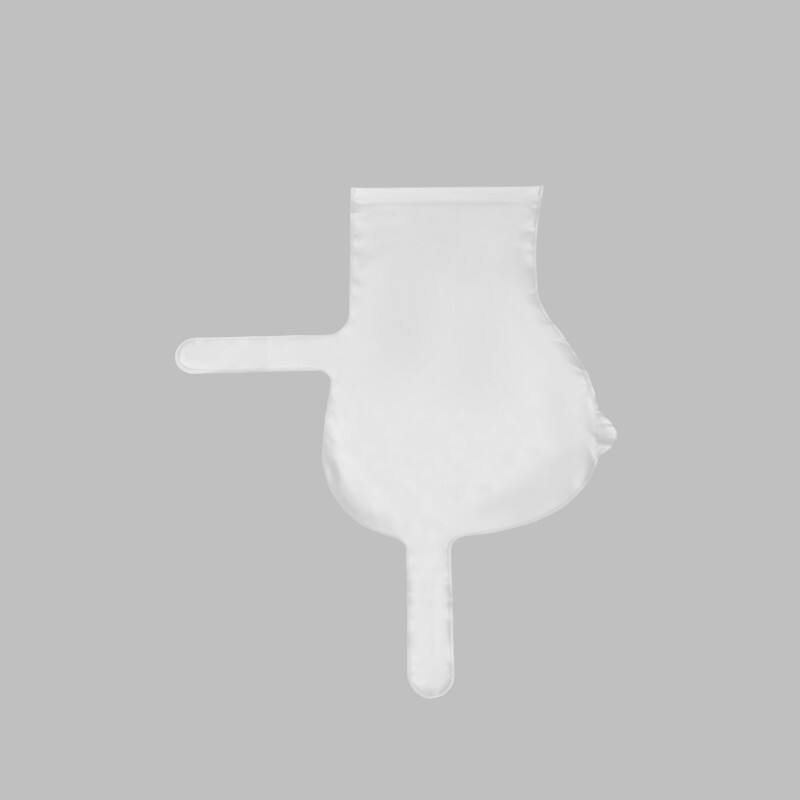
Nowoczesne urządzenie do pobierania składa się zazwyczaj z wału wprowadzania, worka samorozwijającego się lub otwieranego ręcznie oraz mechanizmu zaciskania lub zamykania. Worka wprowadza się przez trokar w stanie skompresowanym, a następnie rozwija w jamie brzusznej, gdzie otwiera się, aby przyjąć materiał do badania. Konstrukcja tego mechanizmu rozwijania ma bezpośredni wpływ na to, jak łatwo i bezpiecznie chirurg może załadować docelową tkankę.
Systemy pierścieni samorozwijających się umożliwiają automatyczne otwarcie ujścia worka po jego rozwinięciu, zapewniając chirurgowi stabilne i szerokie otwarcie, przez które można kierować tkankę do wnętrza worka za pomocą laparoskopowych chwytaków. Zmniejsza to liczbę wymian instrumentów oraz minimalizuje czas, przez który materiał do badania pozostaje niezabezpieczony w jamie ciała. Szybsze i bardziej kontrolowane ładowanie przekłada się bezpośrednio na obniżenie ryzyka zakażenia.
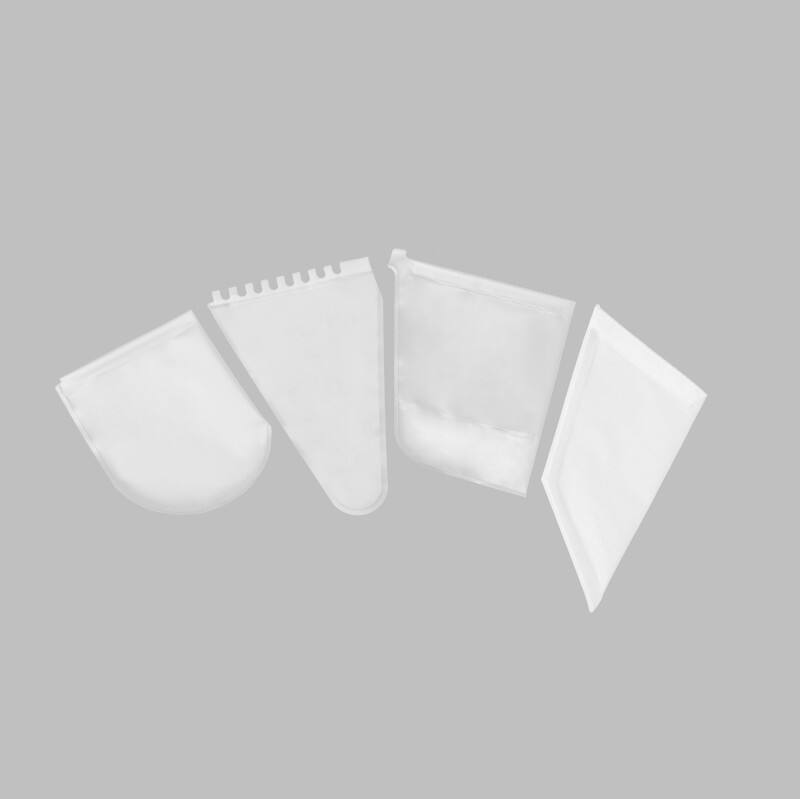
Urządzenie do pobierania próbek musi również zapewniać możliwość obsługi różnorodnych rozmiarów i kształtów próbek. Elastyczne, wysokopojemnościowe konstrukcje worków pozwalają chirurgom na umieszczanie w nich dużych próbek, takich jak mięśniaki macicy, śledziona lub duże paczki węzłów chłonnych, bez ryzyka rozerwania worka lub utraty izolacji próbki. Wytrzymałość materiału oraz jego elastyczność są zatem kluczowymi parametrami inżynierskimi w przypadku każdego urządzenia do pobierania próbek przeznaczonego do wymagających zastosowań chirurgicznych.
Systemy zamknięć i zapobieganie wyciekaniu
Po umieszczeniu próbki w urządzeniu mechanizm zamykający musi zapewnić niezawodne uszczelnienie przed przesunięciem worka w kierunku miejsca wprowadzenia trokara. Do powszechnie stosowanych rozwiązań należą systemy zamykające za pomocą sznurka, mechanizmy typu twist-lock oraz wbudowane sznurki do zaciskania – każdy z nich oferuje inną łatwość obsługi oraz poziom niezawodności uszczelnienia.
Bezpieczne zamknięcie jest szczególnie ważne, gdy próbkę stanowi płyn, np. pęknięta torbiel lub pęcherzyk żółciowy wypełniony żółcią. Każda szczelina w uszczelnieniu na tym etapie może doprowadzić do wycieku zanieczyszczonego płynu podczas przesuwania worka przez ścianę brzuszną. Wysokiej jakości konstrukcje urządzeń do pobierania próbek wykorzystują wzmocnione strefy zamknięcia oraz sprawdzone wartości wytrzymałości uszczelnienia, aby zapobiec temu rodzajowi awarii.
Niektóre modele urządzeń do pobierania próbek są wyposażone w podwójne zamknięcie lub nadmiarowe uszczelnienie, zapewniając dodatkową warstwę ochrony dla próbek o wysokim ryzyku. Jest to szczególnie istotne w przypadkach, gdy próbka została już częściowo uszkodzona w trakcie rozcinania, co zwiększa prawdopodobieństwo wycieku płynu lub komórek podczas ekstrakcji.
Cechy konstrukcyjne urządzeń do pobierania próbek bezpośrednio poprawiające bezpieczeństwo
Dobór materiałów i właściwości barierne
Materiał worka używanego w urządzeniu do pobierania próbek musi spełniać kilka wzajemnie wykluczających się wymagań: musi być wystarczająco wytrzymał, aby oprzeć się rozdzieraniu pod wpływem naprężenia, wystarczająco elastyczny, aby dopasować się do nieregularnych kształtów próbek, oraz wystarczająco nieprzepuszczalny, aby zapobiec przenikaniu płynów lub komórek. Większość współczesnych worków urządzeń do pobierania próbek wykonana jest z poliuretanu przeznaczonego do zastosowań medycznych, nylonu lub kompozytowych folii polimerowych spełniających te kryteria.
Nieprzepuszczalność jest cechą bezwzględnie niezbędną w zastosowaniach onkologicznych. Worek urządzenia do pobierania próbek musi stanowić prawdziwą barierę biologiczną, uniemożliwiającą nawet mikroskopową migrację komórkową przez ścianę worka. Zweryfikowane badania barierowe są ważnym wskaźnikiem jakości, który odróżnia klinicznie wiarygodne produkty urządzeń do pobierania próbek od tych, które mogą zagrozić bezpieczeństwu w rzeczywistych warunkach chirurgicznych.
Przezroczystość lub półprzezroczystość materiału worka to kolejna praktyczna cecha zapewniająca bezpieczeństwo. Gdy chirurg może widzieć próbkę przez ścianę worka, łatwiej potwierdzić pełne załadowanie worka, zidentyfikować nieoczekiwane znajdujące się w próbce elementy oraz monitorować worek pod kątem oznak nadmiernego obciążenia lub pęknięcia podczas ekstrakcji. Ta wizualna pętla sprzężenia zwrotnego stanowi subtelny, lecz istotny wkład w ogólne bezpieczeństwo procedury.
Zgodność z technikami morcelacji i redukcji tkanki
W procedurach takich jak laparoskopowa miomektomia lub nefrektomia próbkę można czasem wydobyć tylko po jej zmniejszeniu, ponieważ jest ona zbyt duża, aby można było ją usunąć w całości przez standardowe miejsce wprowadzenia trokara. Morcelacja tkanki – czyli mechaniczne zmniejszanie rozmiaru próbki – bywa konieczna, jednak wiąże się z dobrze znanym ryzykiem rozprzestrzeniania się fragmentów tkanki w przypadku jej przeprowadzania w jamie otwartej. Urządzenie do pobierania próbek rozwiązuje ten problem, umożliwiając morcelację w zamkniętej przestrzeni.
Gdy morcelacja jest wykonywana wewnątrz zamkniętego worka do pobierania materiału, wszystkie fragmenty tkanki i płynów pozostają w obrębie systemu zabezpieczającego przez cały czas trwania procedury. Podejście to zostało zaleczone przez towarzystwa chirurgiczne jako metoda preferowana w celu ograniczenia ryzyka rozprzestrzeniania się tkanki związanej z morcelacją, szczególnie w przypadkach, gdy złośliwość macicy nie może być całkowicie wykluczona przedoperacyjnie.
Worek do pobierania materiału stosowany w morcelacji zamkniętej musi być specjalnie zaprojektowany tak, aby wytrzymać siły mechaniczne generowane przez ostrza morcelatora lub ręczne instrumenty do redukcji tkanki. Wzmocnione ściany worka, wystarczająca objętość wewnętrzna oraz bezpieczna integracja z portem są wymaganiami projektowymi, które odróżniają worek do pobierania materiału przeznaczony do morcelacji od standardowego worka do ekstrakcji.
Integracja w przepływ pracy klinicznej oraz praktyczne korzyści bezpieczeństwa
Skracanie czasu operacji oraz liczby wymian instrumentów
Bezpieczeństwo w chirurgii nie ogranicza się tylko do zapobiegania zanieczyszczeniom — obejmuje również minimalizację czasu trwania i złożoności zabiegu. Dobrze zaprojektowane urządzenie do pobierania materiału ułatwia etap ekstrakcji, zmniejszając liczbę czynności niezbędnych do bezpiecznego usunięcia próbki. Intuicyjne wdrażanie, łatwe załadowanie próbki oraz niezawodne zamknięcie przyczyniają się do szybszego i bardziej kontrolowanego przebiegu ekstrakcji.
Skrócenie czasu operacji ma bezpośrednie konsekwencje dla bezpieczeństwa pacjenta, w tym mniejsze narażenie na działanie znieczulenia, obniżone ryzyko powikłań w trakcie zabiegu oraz szybsze powracanie do zdrowia. Gdy urządzenie do pobierania materiału płynnie integruje się z przebiegiem zabiegu chirurgicznego, eliminuje ono opory w kluczowym etapie procedury zamiast dodawać do niej złożoności.
Zespół chirurgiczny, który regularnie korzysta z tego samego modelu urządzenia do pobierania próbek, nabiera znajomości jego mechanizmów rozwijania i zamykania, co daje dalszy wzrost efektywności i zmniejsza prawdopodobieństwo błędów popełnianych przez użytkownika. Standaryzacja urządzenia do pobierania próbek w całym oddziale chirurgicznym jest zatem praktyczną strategią optymalizacji zarówno bezpieczeństwa, jak i wydajności przepływu pracy.
Wspieranie integralności patologicznej próbki
Ponad zapobieganiem zakażeniu pacjenta urządzenie do pobierania próbek chroni również integralność samej próbki. Analiza patologiczna wymaga otrzymania tkanki nieuszkodzonej, prawidłowo zorientowanej oraz wolnej od uszkodzeń mechanicznych spowodowanych ekstrakcją. Urządzenie do pobierania próbek amortyzujące próbkę podczas ekstrakcji i zapobiegające jej rozdrobnieniu wspiera bardziej dokładną ocenę histologiczną.
Dokładna patologia przekłada się bezpośrednio na bezpieczeństwo pacjenta. Prawidłowe stadium choroby, ocena marginesów resekcji oraz diagnoza zależą od jakości materiału badawczego dostarczonego patomorfologowi. Gdy urządzenie do pobierania materiału zachowuje jego integralność od momentu załadowania aż do dostarczenia do działu patomorfologii, przyczynia się do zwiększenia dokładności diagnostycznej, która kieruje kolejnymi decyzjami terapeutycznymi.
Niektóre konstrukcje urządzeń do pobierania materiału zawierają funkcje ułatwiające orientację lub oznaczanie próbki, co dodatkowo wspiera proces patomorfologiczny. Te szczegóły odzwierciedlają kompleksowe podejście do bezpieczeństwa materiału badawczego, które wykracza poza salę operacyjną i obejmuje szerszą ścieżkę opieki klinicznej.
Często zadawane pytania
Jakie rodzaje zabiegów chirurgicznych najczęściej wymagają użycia urządzenia do pobierania materiału?
Urządzenie do pobierania próbek jest najczęściej stosowane w zabiegach laparoskopowych i wspomaganych robotycznie, w tym cholecystektomii, apendektomii, miomektomii, nefrektomii, splenektomii oraz różnych resekcjach onkologicznych. Każdy małoinwazyjny zabieg polegający na usunięciu tkanki przez niewielkie miejsce wkłucia może korzystać z funkcji zabezpieczenia i bezpieczeństwa zapewnianych przez urządzenie do pobierania próbek.
Czy urządzenie do pobierania próbek można stosować zarówno do próbek łagodnych, jak i złośliwych?
Tak. Choć urządzenie do pobierania próbek ma szczególne znaczenie w przypadku próbek złośliwych lub potencjalnie złośliwych ze względu na ryzyko rozprzestrzenienia się komórek, jest ono równie wartościowe w przypadkach łagodnych, np. przy zakażonej tkance, strukturach torbielowatych zawierających płyn lub dowolnej próbce, której wyciek mógłby spowodować powikłania. Stosowanie urządzenia do pobierania próbek jako standardowej praktyki niezależnie od podejrzanej patologii stanowi rozsądną metodę zapewnienia bezpieczeństwa chirurgicznego.
W jaki sposób rozmiar worka urządzenia do pobierania próbek wpływa na bezpieczeństwo?
Rozmiar worka bezpośrednio wpływa na to, jak bezpiecznie i w całości próbkę można załadować bez rozdarcia lub zmuszania worka. Zbyt mały worek do pobierania materiału zwiększa ryzyko pęknięcia worka, niepełnego zamknięcia lub fragmentacji próbki podczas ładowania. Wybór odpowiedniego rozmiaru worka dla przewidywanego objętości próbki jest ważnym krokiem planowania przedoperacyjnego przyczyniającym się do bezpiecznej ekstrakcji.
Czy urządzenie do pobierania próbek jest jednorazowego użytku, czy wielokrotnego?
Większość współczesnych produktów urządzeń do pobierania próbek została zaprojektowana do jednorazowego użytku, aby zagwarantować sterylność, integralność strukturalną oraz niezawodną skuteczność bariery w każdej procedurze. Urządzenia wielokrotnego użytku wiążą się z ryzykiem wynikającym z zmęczenia materiału, niedostatecznej sterylizacji oraz pogorszenia się właściwości uszczelnienia po wielokrotnym użyciu. Produkty jednorazowego użytku eliminują te zmienne i wspierają spójne standardy bezpieczeństwa we wszystkich przypadkach.
Spis treści
- Podstawowy problem bezpieczeństwa w minimalnie inwazyjnym pobieraniu materiału do badań
- Jak mechanizm urządzenia do pobierania materiału poprawia kontrolę nad procesem ekstrakcji
- Cechy konstrukcyjne urządzeń do pobierania próbek bezpośrednio poprawiające bezpieczeństwo
- Integracja w przepływ pracy klinicznej oraz praktyczne korzyści bezpieczeństwa
-
Często zadawane pytania
- Jakie rodzaje zabiegów chirurgicznych najczęściej wymagają użycia urządzenia do pobierania materiału?
- Czy urządzenie do pobierania próbek można stosować zarówno do próbek łagodnych, jak i złośliwych?
- W jaki sposób rozmiar worka urządzenia do pobierania próbek wpływa na bezpieczeństwo?
- Czy urządzenie do pobierania próbek jest jednorazowego użytku, czy wielokrotnego?