 EN

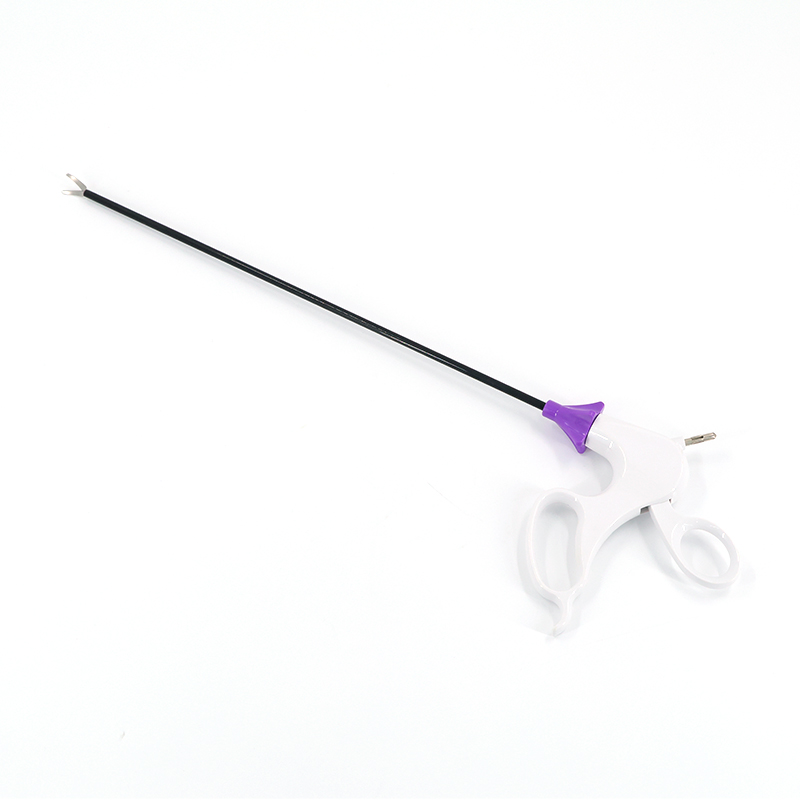
Surgical precision depends heavily on the quality of instruments used in the operating room. When surgeons perform minimally invasive procedures, laparoscopic scissors become one of the most critical tools they rely on to achieve clean, controlled cuts through tissue. The importance of sharpness retention in laparoscopic scissors design cannot be overstated, as dull blades compromise surgical outcomes, increase operative time, and create unnecessary tissue trauma. Understanding why sharpness retention matters helps surgical teams make informed purchasing decisions and maintain standards of excellence in patient care.

In laparoscopic surgery, every millimeter of workspace is limited, and every action must count. Surgeons cannot simply apply more force to compensate for dull laparoscopic scissors; doing so increases the risk of damaging adjacent structures and compromises the benefits of minimally invasive technique. The design of laparoscopic scissors directly influences how long they maintain their cutting edge throughout their operational lifespan, whether that is a single procedure for disposable instruments or multiple uses for reusable models.
The Critical Role of Blade Material and Metallurgy
Selecting Optimal Steel Grades for Durability
The foundation of sharpness retention in laparoscopic scissors lies in the material science behind the blades. High-quality surgical steel, typically stainless steel grades such as 420, 440A, or martensitic stainless steel, provides the hardness needed to maintain a sharp edge through repeated use. The selection of blade material directly affects how resistant laparoscopic scissors are to degradation during cutting, sterilization cycles, and storage. Superior metallurgy ensures that laparoscopic scissors retain their cutting performance even after exposure to high-temperature autoclaves and chemical disinfectants.
The hardness of the blade material must be balanced carefully with ductility and brittleness. If laparoscopic scissors are manufactured from material that is too hard, the blades become prone to chipping or cracking under the stresses of surgical work. Conversely, if the material lacks sufficient hardness, sharpness retention suffers dramatically, and the instrument must be replaced or sharpened frequently. Expert manufacturers of laparoscopic scissors invest in premium steel formulations that optimize this balance, ensuring extended blade life without compromising safety or reliability.
Edge Geometry and Manufacturing Precision
The geometric profile of the cutting edge determines how effectively laparoscopic scissors maintain sharpness during use. A precisely manufactured edge angle, typically between 13 and 17 degrees on each side of the blade, balances cutting efficiency with edge retention. Laparoscopic scissors designed with proper edge geometry cut tissue more cleanly with less force, which reduces wear on the blade and extends sharpness retention. The manufacturing process must maintain tolerances within fractions of a millimeter to ensure consistency across all laparoscopic scissors in a batch.
Modern manufacturing techniques, including precision grinding and polishing, create blade surfaces that are microscopically smooth. This refinement in laparoscopic scissors design reduces friction during cutting and minimizes the microscopic damage that accumulates and dulls blades over time. The sharpness retention achieved through meticulous edge preparation directly translates to better surgical outcomes and reduced tissue trauma during minimally invasive procedures.
Surgical Performance Impact and Clinical Outcomes
Tissue Handling and Surgical Safety
Laparoscopic scissors with superior sharpness retention enable surgeons to make precise cuts with minimal tissue crushing. When laparoscopic scissors remain sharp, the cutting action is primarily shear rather than blunt trauma, which preserves tissue integrity and reduces inflammation. Dull laparoscopic scissors, by contrast, cause tissue compression and cellular damage that can trigger excessive bleeding and complicate the surgical field. The sharpness retention characteristics of laparoscopic scissors directly influence the surgeon's ability to navigate confined anatomical spaces safely and efficiently.
The clinical significance of sharpness retention in laparoscopic scissors extends to hemostasis and wound healing. Tissues cut cleanly by sharp laparoscopic scissors seal more effectively, reducing the risk of prolonged bleeding and seroma formation. Patients undergoing procedures with instruments designed for optimal sharpness retention typically experience faster recovery times and fewer postoperative complications. Surgical teams that prioritize laparoscopic scissors with proven sharpness retention demonstrate a commitment to delivering superior patient outcomes.
Operational Efficiency and Cost Considerations
Laparoscopic scissors that maintain sharpness throughout their usable life reduce the number of instrument changes required during surgery. This operational benefit shortens procedure duration, which decreases anesthesia exposure and lowers overall surgical costs. When laparoscopic scissors must be replaced or sharpened mid-procedure due to dulling, the workflow is disrupted, and sterile field protocols become more complicated. Superior sharpness retention in laparoscopic scissors simplifies surgical planning and allows teams to maintain consistent performance standards across multiple cases.
For disposable laparoscopic scissors, sharpness retention is engineered to meet the demands of a single procedure without degradation. For reusable laparoscopic scissors, excellent sharpness retention reduces the frequency of professional sharpening services needed, lowering maintenance expenses. Healthcare facilities that select laparoscopic scissors with exceptional sharpness retention achieve better financial outcomes while maintaining the highest standards of surgical care.
Design Features That Enhance Sharpness Retention
Handle Ergonomics and Force Distribution
The handle design of laparoscopic scissors influences how surgical force is transmitted to the blades and, consequently, how rapidly the edge dulls during use. Ergonomic handles that distribute force evenly across the grip reduce concentrated stress on the blades, which helps maintain sharpness retention. Laparoscopic scissors with poorly designed handles often cause surgeons to apply excessive force to compensate, accelerating blade wear and dulling. Premium laparoscopic scissors feature handles engineered to provide intuitive control while minimizing the mechanical stress on the cutting edges.
The pivot point of laparoscopic scissors must be manufactured with precision to ensure smooth blade movement without binding or misalignment. Misalignment between the blades compromises the sharpness retention of laparoscopic scissors by causing uneven contact and accelerated wear on specific regions of the edge. Advanced manufacturing processes ensure that laparoscopic scissors maintain blade alignment throughout their lifespan, preserving sharpness retention and reliability.
Sterilization Compatibility and Material Protection
Laparoscopic scissors must withstand repeated sterilization cycles without compromising their sharpness retention characteristics. The materials used in laparoscopic scissors design must resist corrosion and oxidation that result from exposure to steam, chemicals, and humidity. Corrosion on the blade surface, even at a microscopic level, degrades sharpness retention by creating irregularities that dull the edge prematurely. Manufacturers of premium laparoscopic scissors apply protective surface treatments that enhance resistance to corrosion while maintaining the blade's cutting performance and sharpness retention properties.
Proper handling and storage of laparoscopic scissors between uses significantly impacts sharpness retention. Surgical teams should store laparoscopic scissors in protective cases that prevent contact between blades and other instruments. Regular inspection of laparoscopic scissors helps identify any signs of dulling or damage early, allowing for timely replacement or maintenance. Educational programs that emphasize proper care of laparoscopic scissors extend sharpness retention and maximize the return on investment in quality surgical instruments.
FAQ
What happens if laparoscopic scissors lose their sharpness during surgery?
When laparoscopic scissors lose sharpness mid-procedure, the surgeon must apply greater force to cut tissue, increasing the risk of tissue trauma and unintended damage to adjacent structures. This situation compromises the minimally invasive nature of the surgery and can complicate hemostasis. Dull laparoscopic scissors also increase operative time, extending anesthesia exposure and raising infection risk. Selecting laparoscopic scissors with superior sharpness retention prevents these complications and ensures smooth surgical execution.
How often should reusable laparoscopic scissors be professionally sharpened?
The sharpening frequency for reusable laparoscopic scissors depends on usage intensity, materials selected, and the original blade design. High-quality laparoscopic scissors designed for exceptional sharpness retention may require sharpening only after 50 to 100 procedures, while lower-grade instruments may need attention much sooner. Most surgical facilities establish maintenance schedules based on their laparoscopic scissors manufacturer's recommendations and observed performance. Regular performance assessment helps identify when laparoscopic scissors need professional sharpening to maintain surgical standards.
Do disposable laparoscopic scissors offer better sharpness retention than reusable models?
Disposable laparoscopic scissors are engineered to maintain optimal sharpness throughout a single procedure without degradation, offering consistent cutting performance throughout the case. Reusable laparoscopic scissors can achieve comparable sharpness retention through superior material selection and manufacturing precision, but they may gradually dull with repeated use and sterilization. The choice between disposable and reusable laparoscopic scissors depends on institutional preferences, cost considerations, and infection control protocols. Both types can deliver excellent sharpness retention when manufactured to high standards and handled with proper care.