 EN

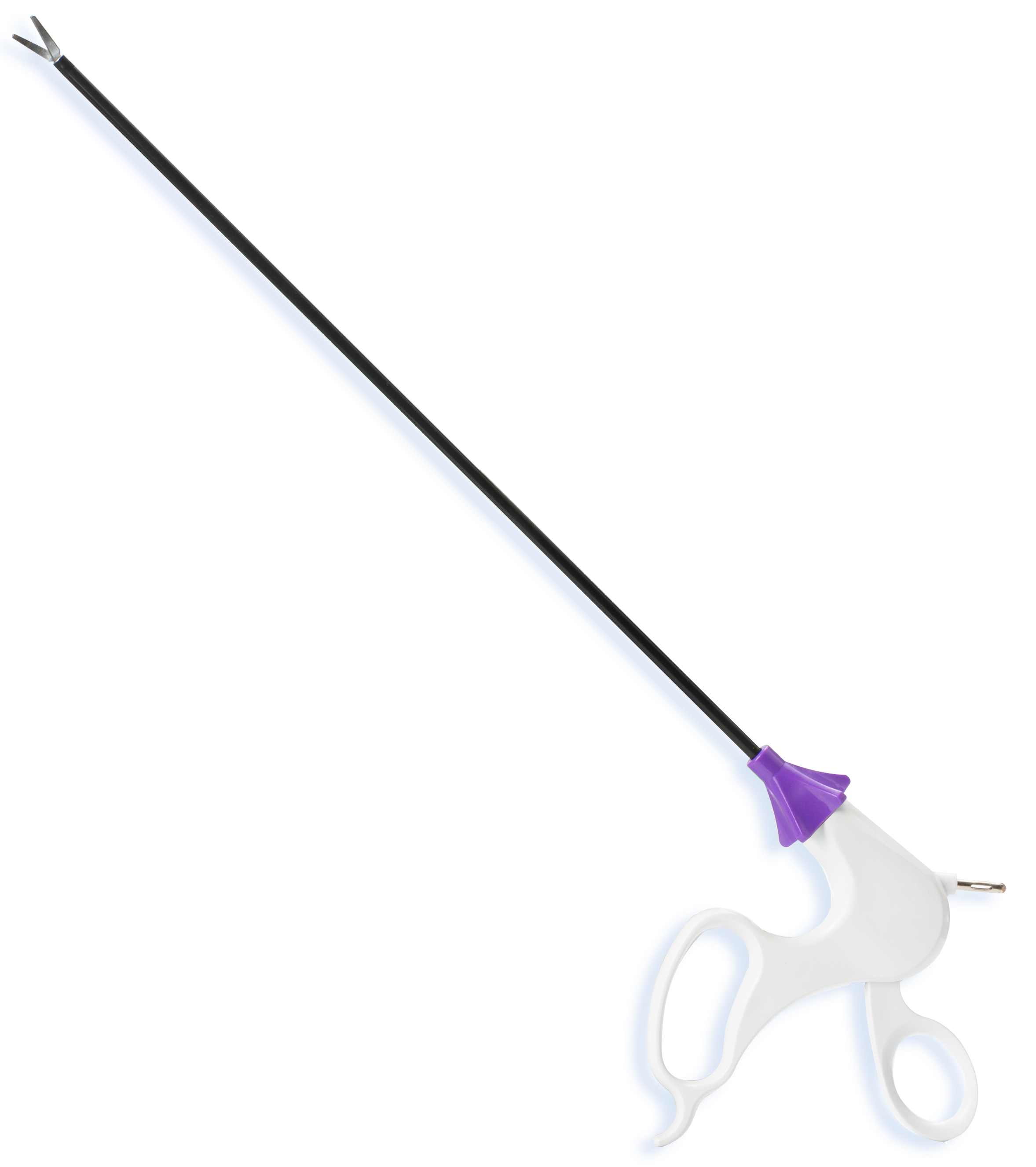
Laparoscopic scissors represent one of the most essential instruments in modern minimally invasive surgical practice. These specialized cutting tools enable surgeons to perform complex tissue dissection, suturing, and precise hemostasis through small abdominal incisions. Understanding where laparoscopic scissors are most widely used helps surgical teams optimize their instrument selection, improve procedural efficiency, and ultimately enhance patient outcomes. The versatility of laparoscopic scissors across multiple surgical disciplines makes them indispensable in contemporary operating rooms worldwide.
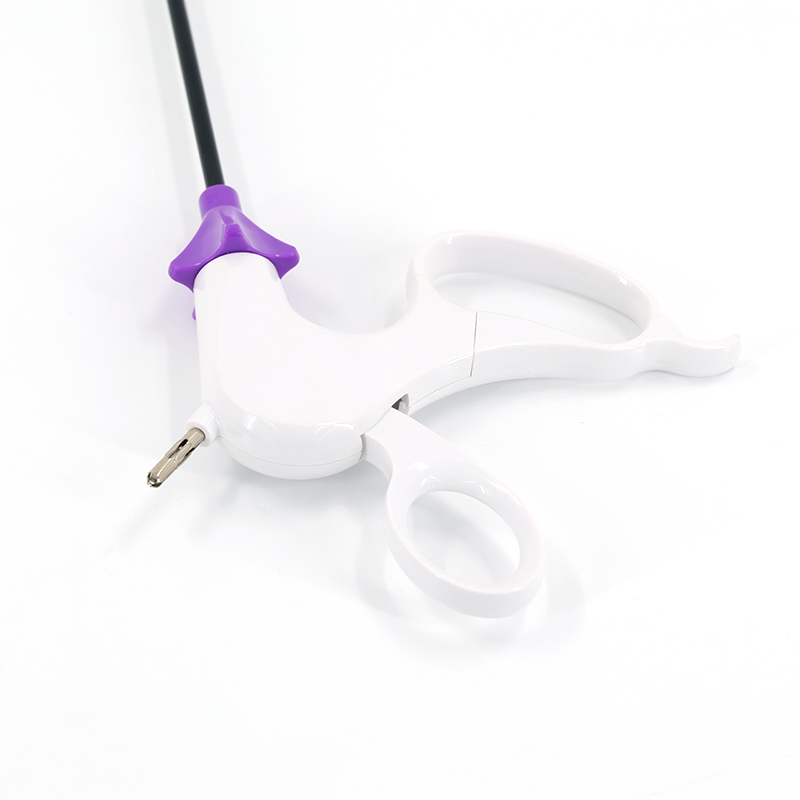
The demand for laparoscopic scissors continues to grow as hospitals and surgical centers expand their minimally invasive capabilities. Surgeons recognize that laparoscopic scissors provide superior precision, reduced blood loss, and faster patient recovery compared to open surgical techniques. This comprehensive guide explores the primary procedures where laparoscopic scissors dominate surgical practice, examines the specific advantages these instruments deliver in each context, and discusses how modern designs enhance surgical performance and safety across diverse clinical applications.
Gynecological and Reproductive Procedures
Hysterectomy and Myomectomy Applications
Gynecological surgery represents one of the largest and most established applications for laparoscopic scissors. During laparoscopic hysterectomy procedures, surgeons utilize laparoscopic scissors to carefully dissect ligaments, cut the uterine artery, and separate the uterus from surrounding tissue. Myomectomy, the removal of uterine fibroids, similarly depends on laparoscopic scissors for precise fibroid enucleation and vessel ligation. These procedures demonstrate why laparoscopic scissors have become fundamental to gynecological practice, as they allow surgeons to achieve complete tissue removal while minimizing thermal injury to adjacent organs and structures.
Endometriosis and Adhesion Management
Laparoscopic scissors excel in the delicate dissection required for endometriosis treatment and adhesion lysis. Surgeons must separate thick scar tissue and endometrial implants without damaging healthy bowel, bladder, or reproductive structures. The mechanical cutting precision of laparoscopic scissors outperforms electrosurgical instruments in these sensitive contexts, reducing the risk of iatrogenic injury. Women undergoing laparoscopic scissors-assisted adhesion lysis experience improved fertility outcomes and reduced pain compared to open approaches, making laparoscopic scissors the preferred instrument choice in reproductive medicine.
Abdominal and Colorectal Surgery
Cholecystectomy and Biliary Tract Procedures
Laparoscopic cholecystectomy remains the gold standard for gallbladder removal, and laparoscopic scissors play a critical role in this high-volume procedure. Surgeons use laparoscopic scissors to dissect the Calot triangle, carefully separate the gallbladder from surrounding tissue, and control small bleeding vessels before clip application. In complex cases with acute cholecystitis or dense inflammation, laparoscopic scissors provide the controlled tissue dissection that prevents common bile duct injury and conversion to open surgery. This widespread adoption demonstrates how laparoscopic scissors have transformed routine abdominal procedures into safer, faster outpatient interventions.
Colorectal Resection and Polyp Management
Colorectal surgery increasingly employs laparoscopic scissors for colonic and rectal dissection during cancer-related resections. Laparoscopic scissors enable surgeons to divide the mesentery, ligate blood vessels, and free the colon or rectum from surrounding attachments with precision that reduces blood loss and operative time. In polypectomy procedures requiring more aggressive removal, laparoscopic scissors provide mechanical cutting that complements electrosurgical tools. The ability to work within the tight confines of the pelvis while maintaining excellent visibility makes laparoscopic scissors essential for colorectal oncology and inflammatory bowel disease management.
Urological and General Surgical Applications
Nephrectomy and Renal Surgery
Laparoscopic nephrectomy, both for benign and malignant disease, depends heavily on laparoscopic scissors for precise renal hilum dissection and vessel ligation. Surgeons must identify and separate the renal artery and vein from surrounding tissue before clipping or stapling, a task where laparoscopic scissors provide superior control and visibility. Radical nephrectomy for renal cell carcinoma requires careful dissection of the kidney, adrenal gland, and regional lymph nodes, all achievable through laparoscopic scissors-assisted minimally invasive approaches. These complex procedures underscore the critical role laparoscopic scissors play in contemporary urological oncology and renal surgery.
Appendectomy and General Abdominal Surgery
Appendectomy represents another high-volume procedure where laparoscopic scissors have dramatically improved surgical efficiency and patient outcomes. Surgeons use laparoscopic scissors to dissect the mesoappendix and carefully separate the appendix from surrounding tissue before ligation and removal. General surgical procedures including adhesiolysis, hernia repair, and splenectomy similarly benefit from the precision and safety that laparoscopic scissors provide. The reduced postoperative pain, faster recovery, and lower infection rates associated with laparoscopic scissors-based approaches have made these instruments standard across general surgery.
Specialized Procedures and Emerging Applications
Bariatric Surgery and Metabolic Procedures
Bariatric surgery frequently utilizes laparoscopic scissors for careful dissection during gastric bypass, sleeve gastrectomy, and duodenal switch procedures. Surgeons employ laparoscopic scissors to divide the mesentery, create pouch configurations, and establish anastomoses while maintaining hemostasis throughout the procedure. The ability to perform these complex reconstructions with minimal blood loss and tissue trauma explains why laparoscopic scissors have become indispensable in weight loss surgery centers. Metabolic surgical procedures requiring extensive tissue dissection and precise vessel control particularly benefit from the mechanical cutting capability of laparoscopic scissors.
Hernia Repair and Abdominal Wall Reconstruction
Laparoscopic ventral hernia repair and inguinal hernia correction increasingly employ laparoscopic scissors for safe peritoneal dissection and tissue preparation for mesh placement. Surgeons use laparoscopic scissors to carefully separate viscera from the posterior rectus fascia and clear appropriate working space for mesh fixation. Primary abdominal wall reconstruction following massive weight loss similarly requires laparoscopic scissors for controlled tissue dissection and hemostasis. These applications demonstrate the expanding scope of laparoscopic scissors beyond traditional gynecological and biliary procedures into broader surgical specialties.
FAQ
What makes laparoscopic scissors superior to electrosurgical instruments in specific procedures?
Laparoscopic scissors provide mechanical cutting that delivers superior precision and reduced thermal tissue injury compared to electrosurgical instruments. In procedures involving sensitive structures like the bile duct, bowel wall, or reproductive organs, laparoscopic scissors allow surgeons to dissect tissue planes without spreading heat-related injury to adjacent structures. While electrosurgery offers excellent hemostasis, laparoscopic scissors combined with vessel sealing devices provide the optimal balance of precision, safety, and efficiency. Many experienced surgeons use both tools strategically throughout a single procedure, employing laparoscopic scissors for detailed dissection and electrosurgery for hemostasis.
How do different laparoscopic scissors designs affect surgical outcomes?
Laparoscopic scissors design variations including straight versus curved tips, blade length, handle ergonomics, and material composition significantly impact surgical performance and surgeon fatigue. Curved laparoscopic scissors provide superior visualization of the cutting line and improved access to difficult anatomical spaces. Longer blades allow surgeons to work deeper within body cavities, while optimized handle designs reduce hand fatigue during prolonged procedures. Premium-quality laparoscopic scissors maintain sharp edges longer, reduce slippage on tissue, and improve cutting reliability compared to lower-cost alternatives. Surgeons should select laparoscopic scissors based on the specific procedure, anatomical access requirements, and their personal preference for handle feel and blade response.
Are disposable laparoscopic scissors cost-effective compared to reusable instruments?
Cost-effectiveness comparisons between disposable and reusable laparoscopic scissors must account for purchase price, sterilization costs, maintenance, replacement frequency, and performance consistency. Disposable laparoscopic scissors offer guaranteed sterility, eliminate reprocessing expenses, and ensure consistent blade sharpness for every procedure. Reusable laparoscopic scissors require sterilization, storage, maintenance, and periodic resharpening, adding operational costs over their service life. High-volume surgical centers often find disposable laparoscopic scissors more economical, while facilities performing fewer procedures may favor reusable instruments. The choice depends on surgical volume, facility infrastructure, regulatory requirements, and the specific performance needs of each surgical specialty.