 EN

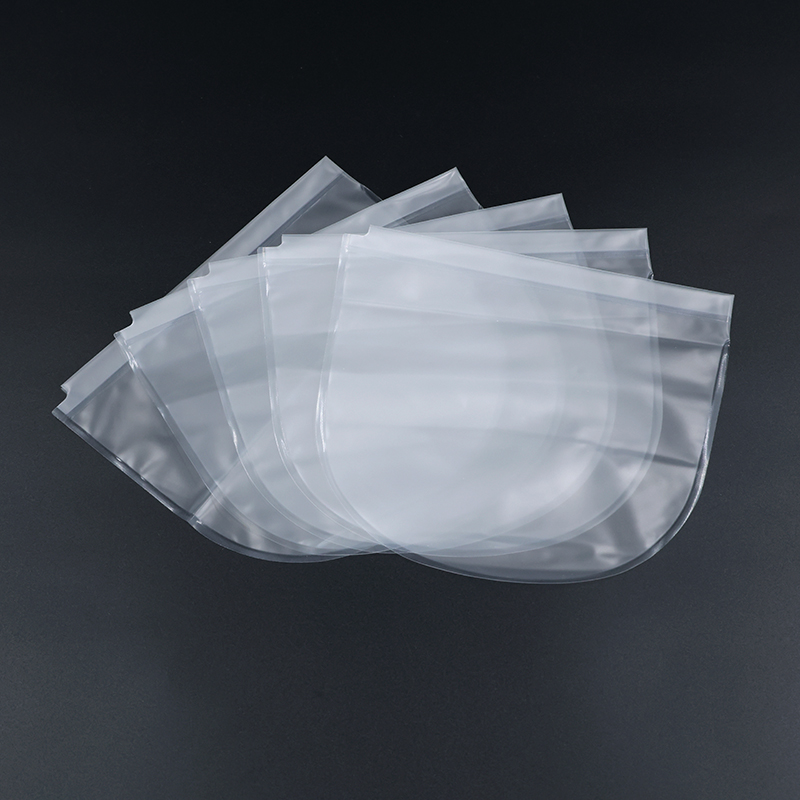
Laparoscopic surgery represents one of the most significant advances in modern surgical technique, offering patients reduced recovery times, smaller incisions, and less tissue trauma compared to open procedures. However, the safe removal and containment of surgical specimens during laparoscopic procedures remains a critical challenge that surgeons must address carefully. An endo bag serves as an essential containment device that fundamentally improves safety during specimen retrieval, protecting both the surgical field and surrounding healthy tissue from contamination and unintended trauma.
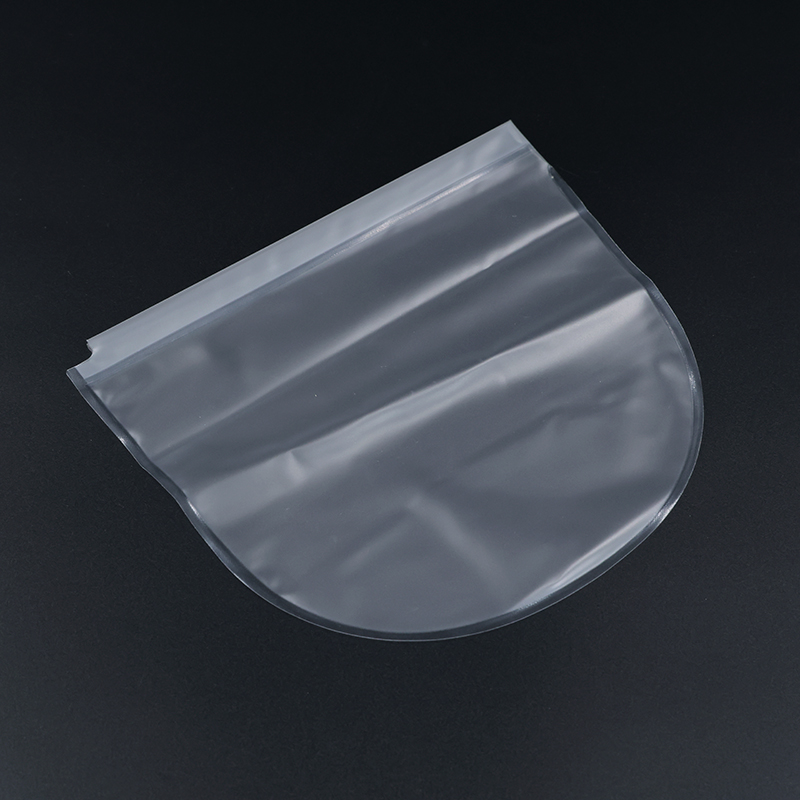
During minimally invasive laparoscopic procedures, surgeons must remove potentially fragile, infected, or malignant specimens through small trocar sites. Without proper containment, specimen material can fragment, spill pathogenic bacteria into the peritoneal cavity, or expose healthy tissue to contaminated surfaces. The endo bag addresses these safety concerns by providing a secure, sterile enclosure specifically designed for laparoscopic specimen extraction, making it an indispensable tool in modern surgical practice.
Understanding the Core Safety Mechanism of an Endo Bag
Specimen Containment During Extraction
The primary safety function of an endo bag is to contain the specimen completely throughout the entire extraction process. When a surgeon places a specimen into an endo bag before withdrawal through the trocar, the bag walls isolate the specimen material from contact with the peritoneal cavity, the trocar site, and adjacent organs. This containment is particularly critical when handling specimens that are infected, malignant, or prone to fragmentation. An endo bag prevents bacterial contamination from spreading into the abdomen, reducing the risk of postoperative infection and complications. The design of the endo bag ensures that surgical material remains fully enclosed until the specimen reaches the outside of the body, maintaining the sterility of the surgical field throughout the procedure.
Prevention of Specimen Spillage and Cross-Contamination
Specimen spillage during laparoscopic retrieval can introduce infectious material, malignant cells, or inflammatory tissue directly into the peritoneal cavity. An endo bag eliminates this risk by creating a barrier between the specimen and the surgical environment. The strong, flexible material of an endo bag resists puncture and tearing, even when specimens contain sharp edges or rough surfaces. The sealed nature of the endo bag means that no material can escape into the body cavity during the often-difficult process of maneuvering a specimen through a small trocar opening. This containment mechanism is especially important in oncological surgery, where preventing tumor cell spillage is essential to surgical outcome and patient prognosis. By using an endo bag, surgeons dramatically reduce the likelihood of unintended contamination events that could complicate recovery or require reoperation.
Clinical Safety Advantages of Using an Endo Bag
Reduced Infection and Complication Rates
The use of an endo bag correlates directly with lower postoperative infection rates in laparoscopic procedures involving specimen retrieval. When infectious tissue, such as an inflamed appendix or perforated organ, is placed in an endo bag before extraction, the contained environment prevents bacterial translocation into the peritoneal cavity. Clinical evidence demonstrates that laparoscopic procedures using an endo bag show fewer instances of surgical site infection, intra-abdominal abscess formation, and sepsis compared to procedures without proper specimen containment. An endo bag also protects against unintended contamination of instruments and the surgical team, reducing occupational exposure to bloodborne pathogens and infected materials. This safety improvement has made the endo bag a standard component of infection control protocols in hospitals and surgical centers worldwide. Surgeons recognize that the minor cost of an endo bag is far outweighed by the prevention of serious postoperative complications that could extend hospitalization and increase morbidity.
Enhanced Protection in Oncological Procedures
In cancer surgery, an endo bag provides a distinct safety advantage by preventing tumor cell spillage during specimen removal. Inadvertent spillage of malignant tissue during laparoscopic extraction can lead to peritoneal seeding, tumor recurrence, and significantly worse patient outcomes. An endo bag containing a malignant specimen protects the surgical field and surrounding organs from exposure to cancer cells. The intact retrieval that an endo bag enables preserves the histological quality of the specimen, allowing pathologists to examine margins and stage the tumor accurately. This containment also reduces the theoretical risk of port-site metastases, where cancer cells can seed surgical access sites if not properly contained during removal. Surgeons performing laparoscopic oncological procedures view an endo bag as a non-negotiable safety requirement, essential to maintaining the integrity of cancer surgery principles even in a minimally invasive context.
Practical Safety Considerations and Proper Use
Correct Deployment and Specimen Placement
The safety benefits of an endo bag depend entirely on proper technique and correct deployment during the procedure. The surgeon must introduce the endo bag into the peritoneal cavity, open it fully, and position it beneath or adjacent to the specimen before attempting retrieval. Improper placement or incomplete opening of the endo bag can result in partial spillage, negating the primary safety advantage. An endo bag must be large enough to accommodate the specimen comfortably without risk of rupture or sealing failure. Surgeons are trained to gently place the specimen into the endo bag, then close and seal the bag completely before withdrawing it through the trocar site. This methodical approach ensures that the full protective capacity of the endo bag is realized. Many surgical training programs emphasize endo bag technique as a core laparoscopic competency, recognizing that proper deployment is essential to achieving the safety outcomes that the device is designed to provide.
Material Quality and Structural Integrity
An endo bag must be manufactured from high-quality, medical-grade materials to provide reliable containment during specimen retrieval. The material must be flexible enough to fold and maneuver through small spaces yet strong enough to resist puncture and tearing from specimen edges. Inferior endo bag materials can fail during the extraction process, resulting in spillage and loss of the intended safety benefit. Medical-grade polyethylene and nylon materials commonly used in endo bag construction offer excellent resistance to puncture while maintaining visibility and ease of handling. The sealing mechanism of an endo bag, whether drawstring, self-sealing, or other closure design, must function reliably even when wet or exposed to blood and body fluids. Surgeons depend on the structural integrity of an endo bag to perform its critical safety function, making material quality and manufacturing standards essential to the device's clinical value. Healthcare facilities should source endo bag products from reputable manufacturers that demonstrate consistent quality and meet established medical device regulations.
FAQ
What types of specimens are safest to retrieve using an endo bag?
An endo bag is particularly important for infected tissues, malignant specimens, and organs at risk of fragmentation. Appendicitis with perforation, gallbladders with bile spillage risk, and malignant tumors are ideal candidates for endo bag containment. Specimens with sharp edges or rough surfaces also benefit significantly from the protective barrier an endo bag provides. Even benign specimens of significant size benefit from the controlled retrieval that an endo bag enables during laparoscopic extraction.
Can an endo bag be used in all laparoscopic procedures requiring specimen removal?
While an endo bag is highly recommended for most laparoscopic specimen retrievals, some smaller benign specimens may be extracted without it if the surgeon determines the risk is minimal. However, best practice guidelines from major surgical organizations recommend endo bag use as standard in all laparoscopic procedures involving specimen removal. The minimal cost and effort of using an endo bag far outweigh the potential safety benefits, making it the prudent choice in virtually all clinical scenarios. Surgeons should follow institutional protocols and clinical judgment regarding endo bag necessity for each specific case.
How does an endo bag affect operative time and surgical efficiency?
While deploying and using an endo bag does add a few minutes to operative time, this minimal time investment is universally accepted as worthwhile for the safety benefits gained. Modern endo bag designs are intuitive and quick to deploy, requiring only a few additional steps once integrated into surgical technique. The time cost of endo bag use is negligible compared to the potential time and cost burden of managing postoperative infections, complications, or reoperations. Surgeons experienced with endo bag technique find that the procedure becomes second nature, adding virtually no meaningful delay to overall operative time while providing critical safety protection.