 EN

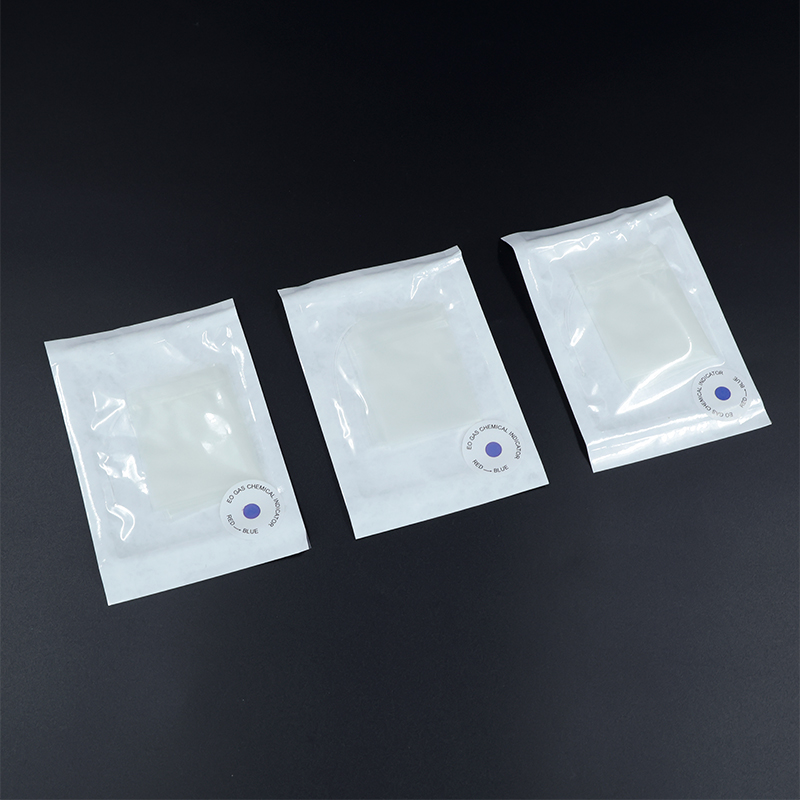
Surgical contamination represents one of the most significant risks in laparoscopic procedures, particularly when specimen extraction is required. An endo bag serves as a critical containment device designed to prevent tissue particles, blood, and infectious material from spreading throughout the surgical cavity during removal. This protective mechanism has become essential in modern minimally invasive surgery, where maintaining a sterile operative field is paramount. Understanding how an endo bag functions and why it reduces contamination risk can help surgical teams make informed decisions about patient safety and procedural outcomes.
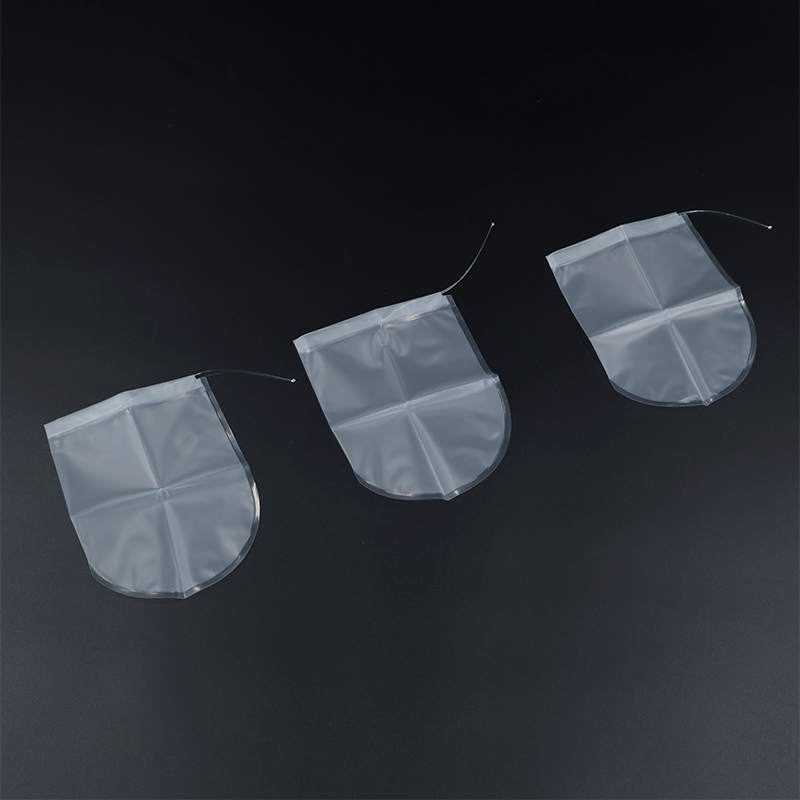
The mechanism of an endo bag is straightforward yet highly effective. When surgeons need to remove tissue samples, polyps, or other specimens during laparoscopic surgery, they place the material inside a specialized containment pouch before withdrawal through the port. This containment strategy prevents direct contact between potentially contaminated material and the peritoneal cavity, abdominal wall, or trocar site. By isolating the specimen within a sealed chamber, an endo bag significantly reduces the risk of spreading pathogenic organisms, reducing surgical site infections and other complications associated with intraoperative contamination.
Containment Mechanism and Physical Protection
How Endo Bag Creates a Barrier Against Contaminants
An endo bag functions as a physical barrier that completely separates the specimen from the surgical environment. The pouch is typically constructed from biocompatible materials that remain intact throughout the extraction process, even under pressure or contact with sharp tissue edges. When a surgeon places tissue into the endo bag, the device seals the specimen within a controlled space, preventing any leakage or particle dispersion. This containment approach is especially critical when handling malignant tissues, infected material, or specimens with compromised integrity that might otherwise fragment and contaminate the operative field.
Material Composition and Durability
Modern endo bag designs utilize reinforced polymer materials that maintain structural integrity throughout the surgical procedure. These materials are selected for their resistance to tearing, puncture, and degradation when exposed to tissue fluids or surgical instruments. The durability of an endo bag ensures that containment is maintained from the moment the specimen is placed inside until it is safely removed from the body. High-quality construction prevents premature rupture or small tears that could compromise the containment benefit, making material selection a crucial factor in the effectiveness of any endo bag system used in surgical practice.
Infection Prevention and Clinical Contamination Risks
Reducing Bacterial and Viral Transmission
One of the primary ways an endo bag reduces contamination risk is by preventing direct exposure of the surgical cavity to potentially infectious material. During laparoscopic procedures involving infected tissues, abscess drainage, or malignant lesions, microorganisms can easily spread if the specimen comes into uncontrolled contact with surrounding anatomy. By using an endo bag, surgeons create an isolated microenvironment that contains bacteria, viruses, and other pathogens within a sealed vessel. This isolation dramatically reduces the likelihood of postoperative infections, abscess formation, or systemic sepsis resulting from intraoperative contamination events.
Minimizing Tumor Cell Seeding
For surgical procedures involving malignant tissues, an endo bag serves an additional oncological benefit by preventing tumor cell seeding throughout the abdomen. When cancerous tissue is extracted without proper containment, viable cancer cells can disperse and implant on peritoneal surfaces, potentially creating additional tumor foci and worsening patient prognosis. An endo bag maintains complete containment of malignant specimens, substantially reducing the risk of peritoneal seeding and recurrence. This oncological benefit makes the use of an endo bag particularly important in cancer surgery where specimen integrity and proper handling directly influence long-term patient outcomes and survival rates.
Practical Surgical Workflow and Ease of Use
Integration into Standard Laparoscopic Procedures
An endo bag integrates seamlessly into existing laparoscopic surgical workflows without significantly extending operative time. Surgeons place the deployment catheter through the trocar, position the pouch at the operative site, and place the specimen inside the bag opening with standard laparoscopic instruments. Once the specimen is contained, the endo bag is drawn back into the catheter and safely withdrawn through the port. This straightforward process ensures that using an endo bag adds minimal complexity to the procedure while providing substantial contamination control benefits. The ease of integration means that endo bag adoption does not require extensive retraining or procedural modifications.
Compatibility with Multiple Surgical Applications
The versatility of an endo bag extends its utility across diverse surgical specialties and procedure types. General surgeons use endo bag containment during cholecystectomy, appendectomy, and hernia repair procedures. Gynecologists employ endo bag systems for hysterectomy and fibroid removal. Urologists utilize endo bag technology during nephrectomy and prostate surgery. This broad applicability demonstrates that endo bag technology is not limited to specific procedures but rather represents a universal contamination control solution applicable across minimally invasive surgery. The ability to use the same endo bag system across multiple surgical specialties simplifies inventory management and reduces training burden for surgical teams.
FAQ
What is the primary function of an endo bag in laparoscopic surgery?
An endo bag serves as a containment device that isolates surgical specimens from the abdominal cavity during laparoscopic procedures. The primary function is to prevent tissue particles, blood, and potentially infectious or malignant material from spreading throughout the operative field. By creating a sealed barrier, an endo bag reduces contamination risk and protects patient safety during specimen extraction.
Can an endo bag be used for both benign and malignant specimens?
Yes, an endo bag is equally effective for containing both benign and malignant tissues. For benign specimens, the endo bag primarily prevents bacterial contamination and fluid leakage. For malignant tissues, the endo bag provides the additional benefit of preventing cancer cell seeding throughout the peritoneal cavity. This versatility makes endo bag containment a standard practice across all surgical specimen removal scenarios.
How does using an endo bag impact surgical time and cost?
The use of an endo bag adds minimal operative time, typically less than two minutes to the total procedure. While there is a modest material cost associated with the device, this expense is justified by the reduction in postoperative infections, decreased hospital readmission rates, and improved patient outcomes. Most healthcare facilities find that the contamination prevention benefits of an endo bag outweigh the incremental cost, particularly when considering long-term savings from reduced complications and infection management.