 EN

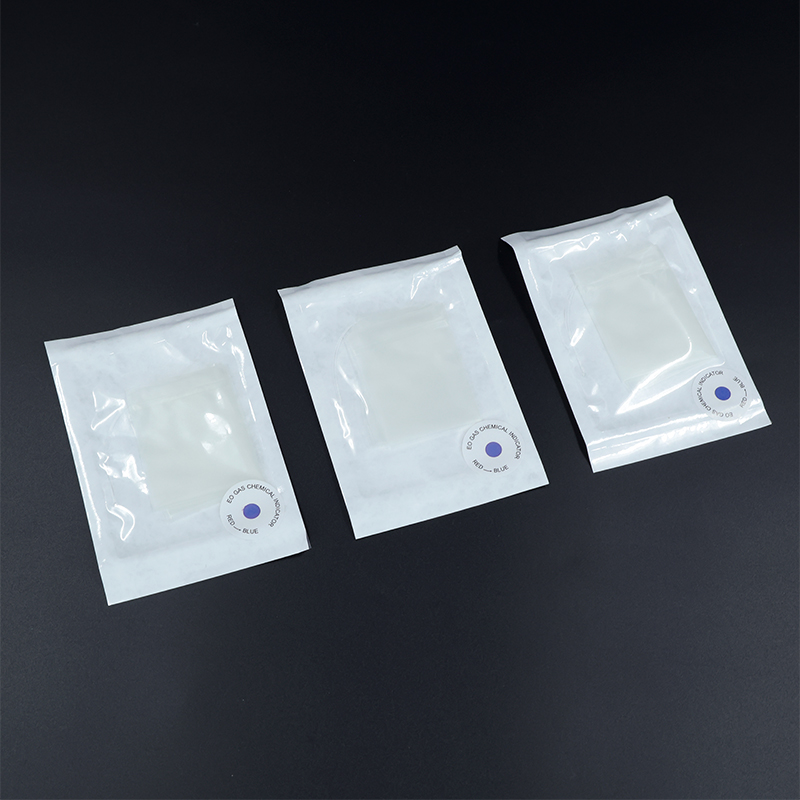
The performance of an endo bag directly depends on its material composition and structural properties. When selecting an endo bag for surgical specimen retrieval, understanding which material properties drive durability becomes critical to preventing specimen loss, contamination, and procedural complications. An endo bag must withstand puncture risks, handling stress, and exposure to bodily fluids while maintaining specimen integrity throughout the entire surgical workflow.
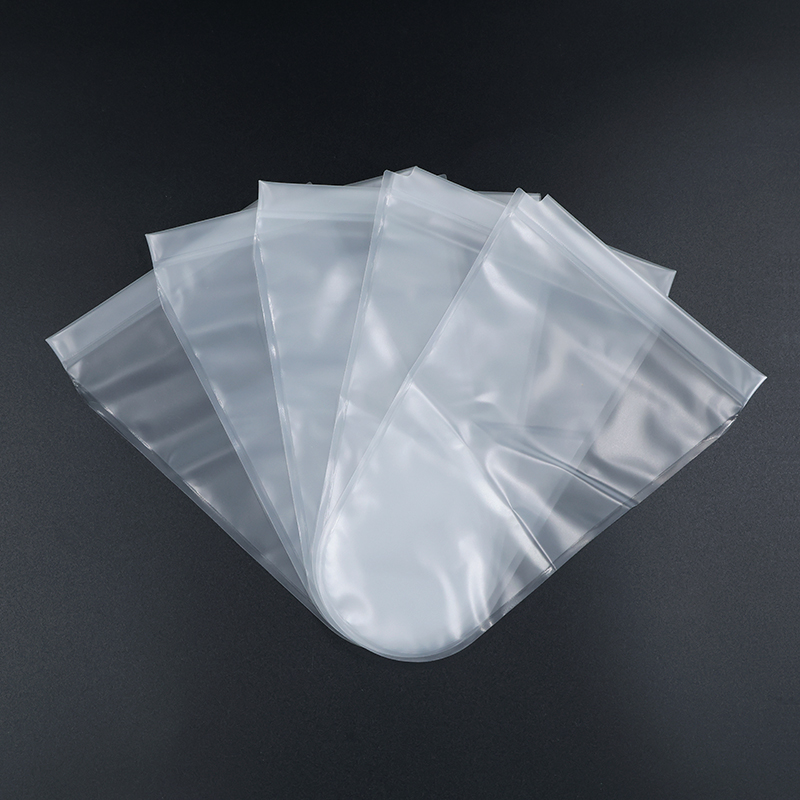
Durability in an endo bag is not a single characteristic but rather a convergence of specific material properties working together. The fabric weight, tear resistance, material composition, and weave structure all influence how well an endo bag performs under real surgical conditions. This article explores the key material properties that determine endo bag longevity and reliability in clinical practice.
Tensile Strength and Tear Resistance
Understanding Tensile Strength in Endo Bag Materials
Tensile strength refers to the maximum stress a material can withstand before breaking when pulled or stretched. For an endo bag, high tensile strength ensures the material resists tearing during specimen placement, manipulation, and extraction. Materials with superior tensile strength maintain structural integrity even when subjected to the sharp edges of surgical instruments or rough handling during specimen retrieval. An endo bag engineered with high-tensile fabrics provides immediate protection against puncture and splitting.
Tear Propagation and Ripstop Technology
Tear resistance determines how an endo bag responds once a small puncture or cut begins to form. Standard materials may allow a tear to spread rapidly, whereas ripstop-reinforced endo bag designs use interlocking yarn patterns that halt tear propagation. Ripstop technology divides the fabric into small squares using reinforced yarns, so even if one section tears, the damage stops at the next reinforcement line. This property is essential because an endo bag may encounter sharp bone fragments, suture needles, or instrument edges during specimen collection.
Material Composition and Fluid Resistance
Synthetic Fiber Selection for Endo Bag Durability
The base material of an endo bag significantly affects its overall durability. Nylon and polyester are commonly used because they resist moisture absorption, which preserves the structural integrity of the endo bag over time. Synthetic fibers do not degrade when exposed to blood, saline, or other surgical fluids, unlike natural fibers that absorb moisture and weaken. An endo bag constructed from high-grade synthetic materials maintains consistent performance throughout multiple hours of surgical use without degradation.
Barrier Coatings and Impermeability
A durable endo bag often features specialized coatings that enhance fluid resistance and prevent seepage. Polyurethane or silicone-based coatings seal microscopic gaps in the weave, making the endo bag impermeable to liquids while maintaining breathability where needed. These barrier treatments protect not only the specimen contained within the endo bag but also the surgical environment from potential cross-contamination. The coating must remain flexible and not crack or peel, which would compromise the endo bag's protective function.
Weave Density and Construction Quality
Thread Count and Fabric Tightness in Endo Bag Design
Weave density directly impacts how durable an endo bag becomes under surgical stress. A tightly woven endo bag with higher thread count provides better resistance to small punctures and reduces the likelihood of debris penetrating the material. The interlocking threads in a dense weave distribute stress more evenly across the fabric surface, preventing localized failures that could compromise specimen containment. An endo bag with inadequate weave density may allow small bone fragments or fluid to escape through the material itself.
Seam Reinforcement and Overall Structural Integrity
The durability of an endo bag extends beyond the fabric itself to include seam quality and reinforcement patterns. Double-stitched or triple-stitched seams distribute tensile load across multiple thread lines, preventing seam failure even under significant pulling forces. Reinforced corners and stress-point areas ensure that an endo bag maintains its shape and containment capability throughout the surgical procedure. Poor seam construction is a common weakness in lower-quality endo bag designs that fail under normal surgical handling.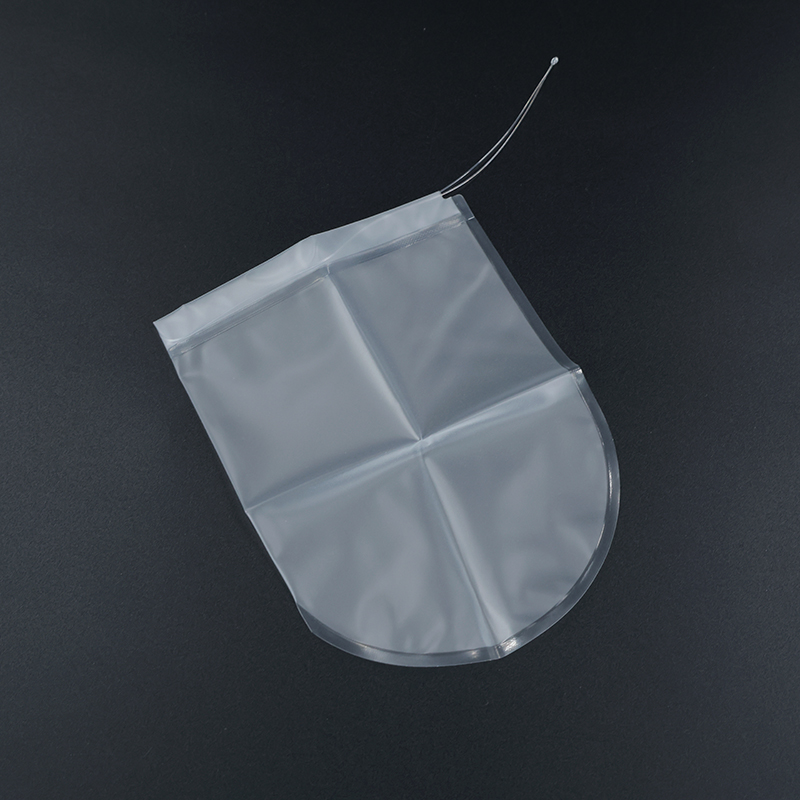
FAQ
What makes ripstop material superior for endo bag durability?
Ripstop materials are superior because they use reinforced grid patterns that stop tears from spreading. When an endo bag made with ripstop fabric experiences a small puncture, the reinforced yarns prevent the damage from growing, keeping the specimen safely contained even if minor damage occurs during handling.
How does an endo bag's thickness affect its durability?
Thicker endo bag materials generally offer better durability because they provide greater cushioning against puncture and tear. A thicker endo bag requires more force to penetrate and resists damage from sharp bone fragments and surgical instruments more effectively than thin materials.
Can coatings on an endo bag wear out over time?
Coatings on an endo bag may wear down with repeated friction or aggressive handling, though high-quality polyurethane coatings are designed to resist degradation. Proper handling and storage of the endo bag can extend the life of protective coatings and maintain the integrity of the specimen containment system.