 EN

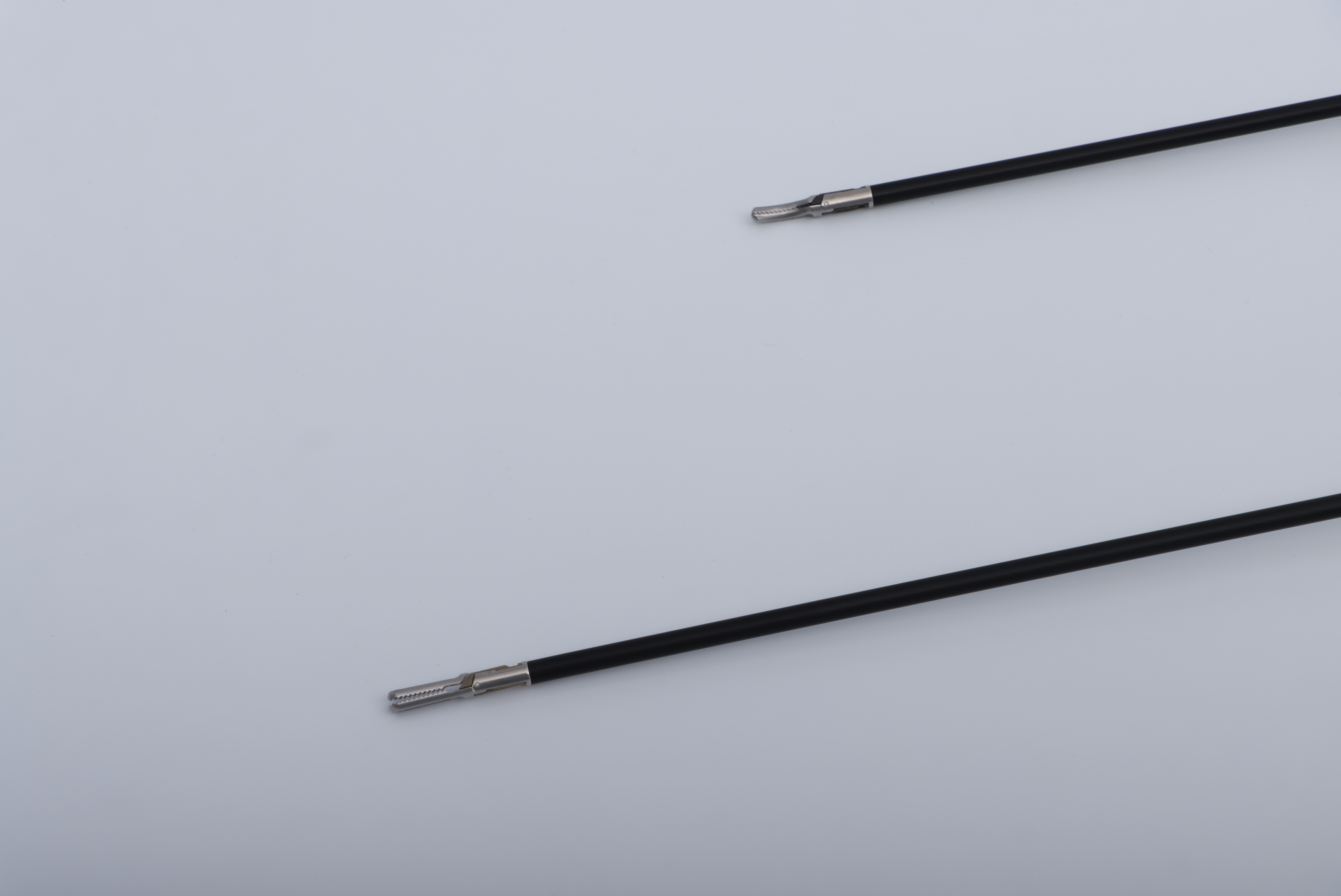
Bipolar instruments represent a transformative advancement in modern surgical practice, particularly for procedures requiring precise hemostasis and tissue management. Unlike their monopolar counterparts, bipolar instruments deliver electrical current between two electrodes on the instrument itself, creating a highly controlled coagulation zone. This innovative design fundamentally changes how surgeons approach delicate procedures where precision matters most. The enhanced control provided by bipolar instruments makes them indispensable in neurosurgery, otolaryngology, ophthalmology, and microsurgical specialties where even minor thermal spread can compromise patient outcomes.
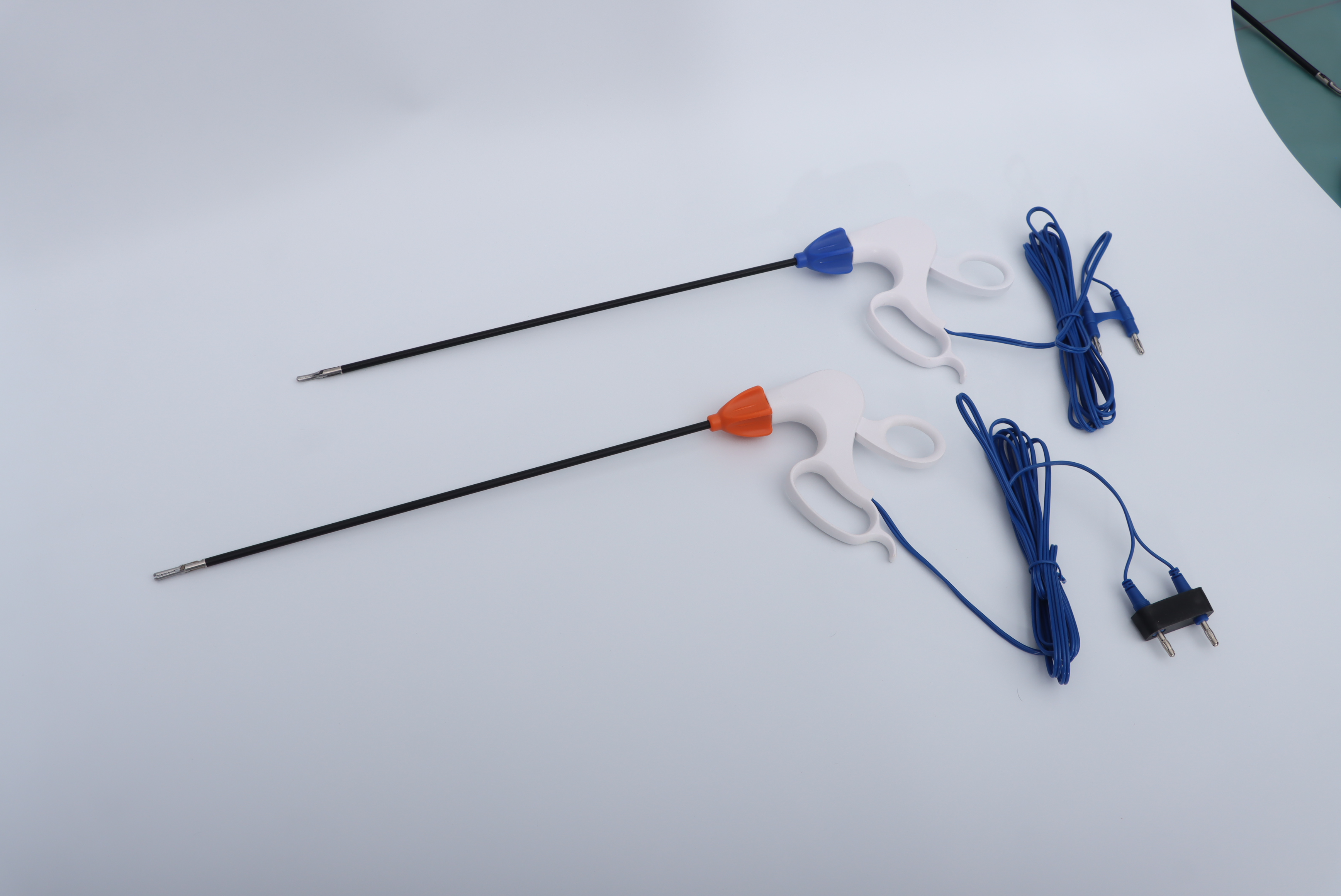
The clinical superiority of bipolar instruments in surgical coagulation stems from their architecture and operational mechanics. When surgeons grip tissue with bipolar instruments, the electrical pathway is confined between the two tips, eliminating current flow through surrounding healthy tissue. This spatial constraint dramatically reduces thermal injury to adjacent structures, minimizes patient return electrode requirements, and improves safety across diverse patient populations. Bipolar instruments empower surgeons to work confidently in confined anatomical spaces where traditional monopolar coagulation would pose unacceptable risks.
Understanding Bipolar Instruments and Their Coagulation Mechanism
The Fundamental Design of Bipolar Instruments
Bipolar instruments operate on a principle fundamentally different from monopolar electrosurgery. In bipolar instruments, current flows directly from one tip to the other, creating a localized electrical circuit. This design eliminates the need for a dispersive electrode, a critical safety advantage that distinguishes bipolar instruments from monopolar systems. The compact electrical pathway in bipolar instruments means that coagulation occurs only in the immediate tissue gap between the forceps tips, providing surgeons with remarkable control over the extent and intensity of thermal application.
Precision Coagulation in the Operating Theater
Precision coagulation with bipolar instruments allows surgeons to achieve hemostasis on vessels as small as 0.5 millimeters in diameter. The localized coagulation zone means that tissue necrosis extends only 1 to 2 millimeters from the application site when bipolar instruments are used correctly. This minimal thermal spread is why bipolar instruments are preferred in procedures affecting delicate neural structures, sensitive vascular plexuses, and structures requiring functional preservation. Surgeons using bipolar instruments report superior tissue handling characteristics and more predictable coagulation outcomes compared to alternative electrosurgical approaches.
Clinical Advantages and Precision Benefits
Enhanced Surgical Control and Safety
Bipolar instruments provide surgeons with exceptional control during coagulation procedures, creating a significant competitive advantage in complex surgical scenarios. The confined electrical circuit in bipolar instruments eliminates accidental coagulation of tissues outside the intended treatment zone. This safety profile makes bipolar instruments particularly valuable in confined surgical fields where anatomical complexity demands absolute precision. Additionally, bipolar instruments work effectively in patients with pacemakers or cardiac devices, where traditional monopolar electrosurgery poses contraindications that restrict surgical options.
Reduced Thermal Injury and Tissue Damage
Thermal injury represents one of the most critical concerns in electrosurgical procedures, and bipolar instruments address this challenge directly through their design architecture. When surgeons employ bipolar instruments for coagulation, thermal energy disperses only between the instrument tips rather than traveling through the patient's body to a distant return electrode. This localized approach substantially reduces collateral thermal damage to surrounding structures, accelerating postoperative healing and reducing inflammation. The tissue-sparing advantages of bipolar instruments translate into better patient outcomes, shorter recovery periods, and reduced complication rates across numerous surgical specialties.
Improved Vessel Sealing and Hemostasis
Achieving reliable hemostasis is fundamental to surgical success, and bipolar instruments excel in this critical function. The bipolar instruments design enables surgeons to apply consistent coagulation force without worrying about current spread or unpredictable tissue damage. Modern bipolar instruments feature fenestrated tips that improve grasping capability while maintaining precise coagulation characteristics. These specialized designs ensure that bipolar instruments seal vessels effectively while preserving adjacent tissue integrity, a balance that monopolar systems struggle to achieve in sensitive surgical environments.
Applications and Clinical Scenarios
Neurosurgical Applications
Neurosurgery represents the most demanding application environment for bipolar instruments, where millimeter-scale precision determines functional outcomes. Surgeons performing craniotomies, aneurysm repairs, and tumor resections rely entirely on bipolar instruments to manage hemorrhage while protecting adjacent brain tissue. The minimal thermal spread characteristic of bipolar instruments makes them essential tools in neurosurgery, where thermal damage to eloquent cortex can cause permanent neurological deficits. Bipolar instruments allow neurosurgeons to work confidently in vascular-rich operative fields without compromising patient safety or neurological function.
Otolaryngological and Microsurgical Uses
Otolaryngological procedures frequently involve delicate structures in confined anatomical spaces where bipolar instruments provide unmatched precision. Endoscopic sinus surgery, laryngeal procedures, and ear surgery all benefit from the controlled coagulation that bipolar instruments deliver. In microsurgery, whether reconstructive or vascular in nature, bipolar instruments enable surgeons to perform fine tissue manipulation and precise hemostasis simultaneously. The versatility of bipolar instruments across these specialties reflects their fundamental superiority in applications demanding both precision and safety in challenging operative environments.
FAQ
What makes bipolar instruments different from monopolar electrosurgery?
Bipolar instruments confine electrical current between two tips on the instrument itself, while monopolar systems complete the circuit through a patient return electrode. This fundamental difference means bipolar instruments create a localized coagulation zone with minimal thermal spread to surrounding tissue. Bipolar instruments eliminate the need for dispersive electrodes and work safely in patients with pacemakers, representing significant advantages over monopolar systems. The localized nature of bipolar instruments makes them ideal for delicate surgery where thermal precision is critical.
Can bipolar instruments be used for all coagulation procedures?
While bipolar instruments excel in precision applications, their optimal use occurs in procedures requiring fine hemostasis control and minimal thermal injury. Bipolar instruments work exceptionally well for small vessel coagulation and tissue in close proximity to vital structures. However, in procedures requiring extensive coagulation across large tissue areas, alternative electrosurgical modalities might offer operational efficiencies. The choice between bipolar instruments and other systems depends on specific procedural requirements, anatomical considerations, and desired thermal characteristics for each unique surgical scenario.
How do bipolar instruments improve patient safety during surgery?
Bipolar instruments enhance patient safety by eliminating current flow through the body and reducing thermal injury to adjacent tissues. The localized coagulation zone in bipolar instruments means complications from unexpected thermal damage are substantially reduced. Bipolar instruments work safely in patients with cardiac devices, eliminating a major contraindication present with monopolar systems. Additionally, the predictable tissue response to bipolar instruments allows surgeons to achieve consistent hemostasis while preserving tissue function, directly translating into improved surgical outcomes and faster recovery for patients.