 EN

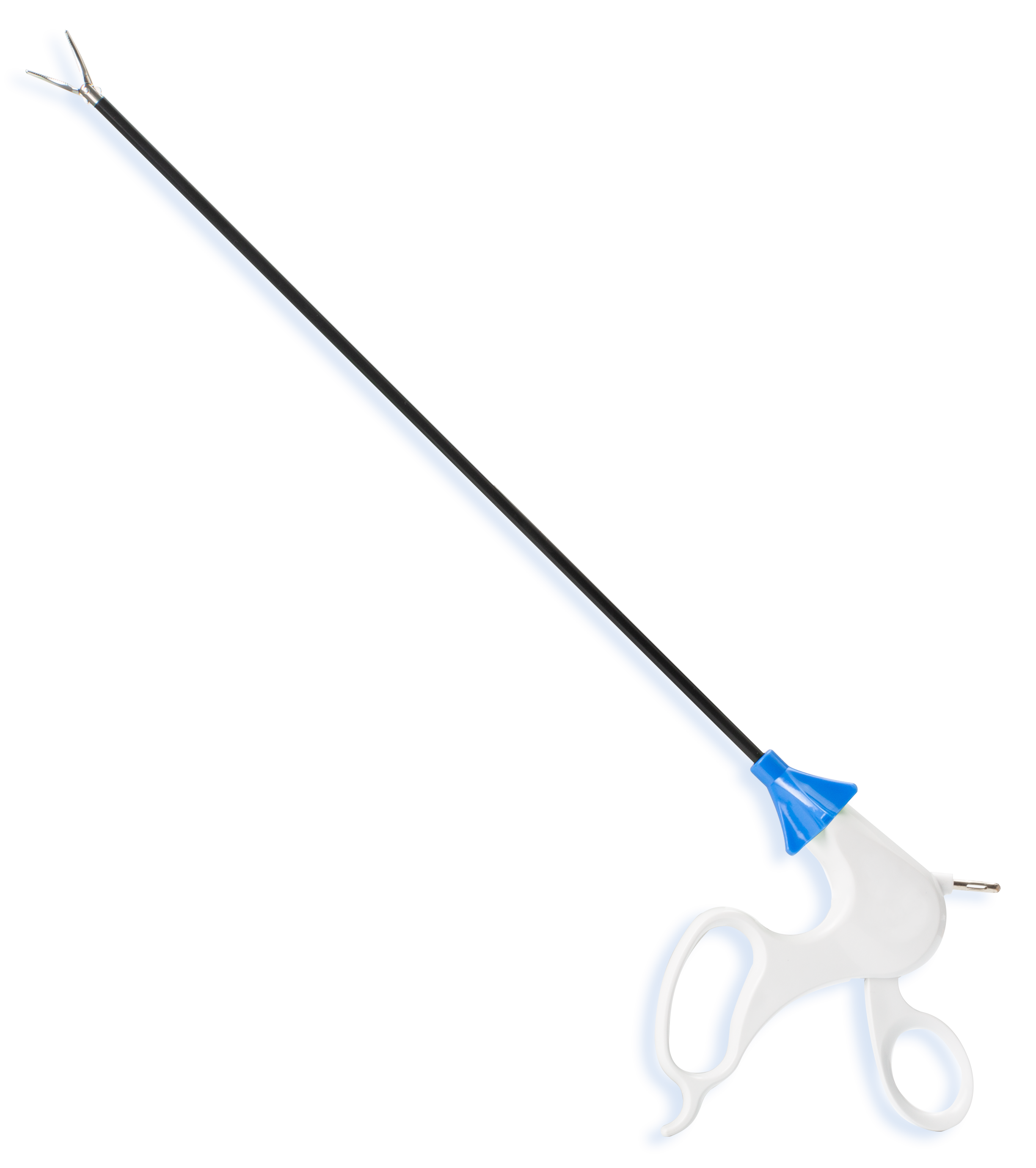
Minimally invasive surgery has transformed patient outcomes across multiple surgical disciplines, and laparoscopic dissectors are central to this revolution. These precision instruments enable surgeons to perform complex dissection tasks through small incisions while dramatically reducing trauma to surrounding tissues. Understanding how laparoscopic dissectors achieve this trauma reduction is essential for surgical teams seeking to optimize patient recovery and clinical outcomes. The design, material composition, and handling characteristics of laparoscopic dissectors all contribute to their trauma-reducing capabilities, making them indispensable in modern operating rooms.
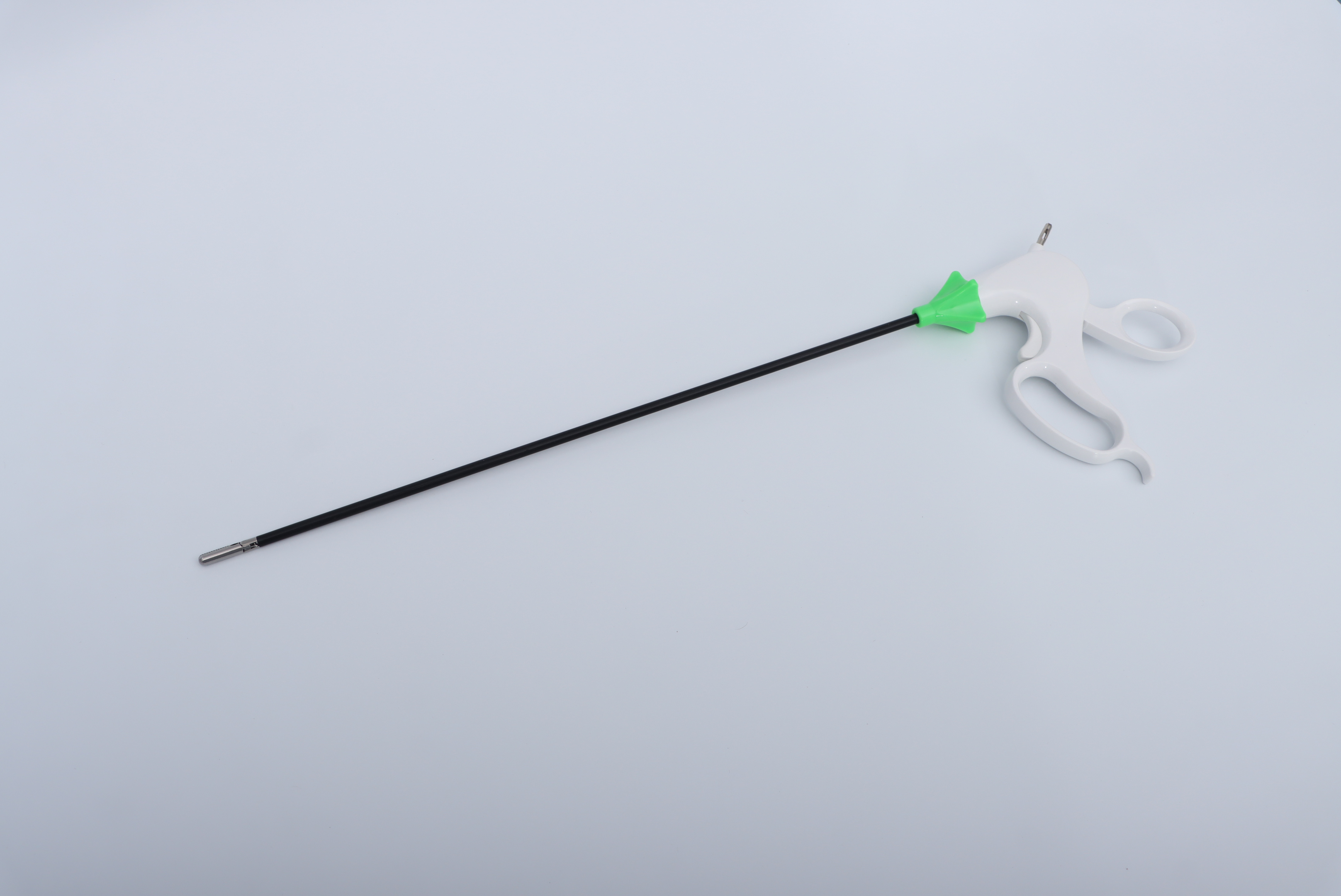
Traditional open surgery inevitably creates significant tissue trauma because large incisions disrupt muscle layers, blood vessels, and connective tissue planes. Laparoscopic dissectors change this paradigm by allowing surgeons to work through multiple small ports, typically five to twelve millimeters in diameter. This fundamental difference in approach means that laparoscopic dissectors preserve tissue integrity and minimize the inflammatory response that normally accompanies major surgical trauma. The result is faster patient recovery, reduced pain, lower infection risk, and shorter hospital stays, all of which represent substantial clinical and economic benefits.
Precision Design and Controlled Tissue Handling
Fine-Tipped Instrument Architecture
Laparoscopic dissectors feature finely engineered tips that allow surgeons to separate tissue planes with exceptional precision. Unlike larger conventional dissectors used in open surgery, laparoscopic dissectors have slender profiles that fit through narrow cannulas while maintaining enough rigidity to perform reliable dissection. The tip geometry of quality laparoscopic dissectors is optimized to glide along tissue planes rather than crush or tear them. This gentle separation technique means that laparoscopic dissectors can distinguish between different tissue types and separate them along natural anatomical planes without excessive force application.
Material Composition and Durability
Premium laparoscopic dissectors are typically manufactured from high-grade stainless steel that resists corrosion and maintains sharp, precisely ground edges throughout their functional life. The material properties of laparoscopic dissectors influence how force distributes across the instrument tip when engaging tissue. Surgical-grade stainless steel used in laparoscopic dissectors allows for consistent edge retention and predictable tissue interaction. When laparoscopic dissectors are properly maintained and sharpened, they provide trauma-free dissection that significantly reduces the inflammatory response compared to dull instruments that tear rather than cleanly separate tissue.
Ergonomic Control and Surgeon Dexterity
Enhanced Tactile Feedback and Manipulation
One critical advantage of modern laparoscopic dissectors is that they provide surgeons with enhanced control over dissection force and direction. The handle design of quality laparoscopic dissectors transfers micro-movements from the surgeon's hand to the instrument tip with minimal lag or distortion. This ergonomic precision means that surgeons can apply exactly the amount of force needed for gentle tissue separation, reducing inadvertent trauma from excessive pressure. Laparoscopic dissectors with ratcheting or non-ratcheting handles offer different control profiles, allowing surgeons to choose the instrument that best matches their preferred dissection technique and the specific anatomical situation.
Instrument Visibility and Safety
Laparoscopic dissectors work in conjunction with the laparoscope camera, which provides magnified visualization of the surgical field. This enhanced magnification—typically between five and twenty times magnification depending on the optics—allows surgeons to see tissue planes and anatomical structures with remarkable clarity. When surgeons can visualize the exact location of laparoscopic dissectors relative to critical structures like blood vessels and nerves, they can avoid these structures and reduce unintended trauma. The combination of magnified visualization and precise laparoscopic dissectors represents a fundamental shift in how surgical trauma can be minimized during complex dissection procedures.
Physiological Impact and Patient Recovery Benefits
Reduced Inflammatory Response and Tissue Damage
The trauma reduction achieved through laparoscopic dissectors directly translates to physiological advantages for patients. When tissue is gently separated along natural planes rather than crushed by force, the inflammatory cascade is significantly less pronounced. This reduced inflammatory response means that laparoscopic dissectors help minimize postoperative pain, edema, and systemic inflammatory markers. Studies comparing open surgery outcomes to laparoscopic procedures consistently demonstrate that laparoscopic dissectors contribute to lower cytokine release and faster return to normal tissue function, which explains why patients recover faster from laparoscopic procedures than from equivalent open operations.
Vascular and Nerve Preservation
The precision of laparoscopic dissectors allows surgeons to identify and carefully separate delicate vascular and neural structures with minimal disruption. When surgeons use laparoscopic dissectors to bluntly separate tissues along anatomical planes, they naturally protect important structures that may be embedded within connective tissue. This preservation approach contrasts sharply with aggressive dissection that can inadvertently damage vessels or nerves. The ability of laparoscopic dissectors to distinguish between different tissue types and follow natural tissue planes means that critical structures are preserved, reducing postoperative complications such as bleeding, nerve injury, or dysfunction. For patients, this translates to fewer complications, faster functional recovery, and better long-term outcomes.
Clinical Applications and Trauma Reduction Across Specialties
Gynecological and Abdominal Surgery Applications
Laparoscopic dissectors have become essential instruments in gynecological surgery, where delicate tissue handling is paramount. In procedures such as hysterectomy, myomectomy, and endometriosis treatment, laparoscopic dissectors enable surgeons to preserve surrounding organs while removing pathologic tissue. The gentle dissection capability of laparoscopic dissectors means that bowel, bladder, and vascular structures can be safely separated from the target tissue with minimal trauma. Abdominal wall hernia repair and other general surgical procedures similarly benefit from the trauma reduction that laparoscopic dissectors provide, as surgeons can identify tissue planes and separate them precisely without unnecessary force.
Urological and Biliary Procedures
In urological surgery, laparoscopic dissectors are used in nephrectomy, prostatectomy, and partial nephrectomy procedures where preserving renal function depends on minimizing parenchymal trauma. The precision of laparoscopic dissectors allows surgeons to separate tumor-bearing tissue from healthy kidney parenchyma with exceptional care. Similarly, in biliary surgery, laparoscopic dissectors facilitate safe cholecystectomy by allowing surgeons to precisely dissect the hepatocystic triangle and clearly identify critical structures like the common bile duct and hepatic artery. The trauma reduction achieved through laparoscopic dissectors in these high-stakes procedures contributes directly to fewer postoperative complications and preserved organ function.
FAQ
What specific tissue characteristics do laparoscopic dissectors address to minimize trauma?
Laparoscopic dissectors minimize trauma by working with natural tissue planes and using blunt dissection techniques that separate tissues along their inherent boundaries rather than cutting through them. The fine tips of laparoscopic dissectors can identify fascial planes, distinguish between tissue types, and gently separate structures without applying excessive crushing force. This approach respects the architectural organization of tissues and maintains the integrity of small blood vessels and nerve fibers that would be damaged by aggressive dissection techniques.
How do laparoscopic dissectors compare to traditional open surgery instruments in terms of trauma reduction?
Traditional open surgery instruments must work through large incisions that inherently cause significant tissue trauma from the incision itself. Laparoscopic dissectors work through small ports, eliminating the massive tissue disruption of open approaches. Additionally, laparoscopic dissectors are designed for the magnified, precise visualization available through laparoscopes, whereas open instruments must function at normal magnification. This combination means laparoscopic dissectors achieve superior trauma reduction and enable patients to recover faster with less pain and fewer complications compared to open surgical approaches.
Are ratcheting or non-ratcheting laparoscopic dissectors more effective at reducing trauma?
Both ratcheting and non-ratcheting laparoscopic dissectors can effectively reduce trauma when used correctly. Non-ratcheting laparoscopic dissectors provide continuous feedback and fine control, allowing surgeons to apply graduated force during dissection. Ratcheting laparoscopic dissectors provide a locking mechanism that can stabilize tissues during prolonged dissection. The choice between ratcheting and non-ratcheting depends on the specific procedure, surgeon preference, and the anatomical complexity of the dissection required. Both designs prioritize the gentle tissue handling that laparoscopic dissectors are designed to achieve.