 EN

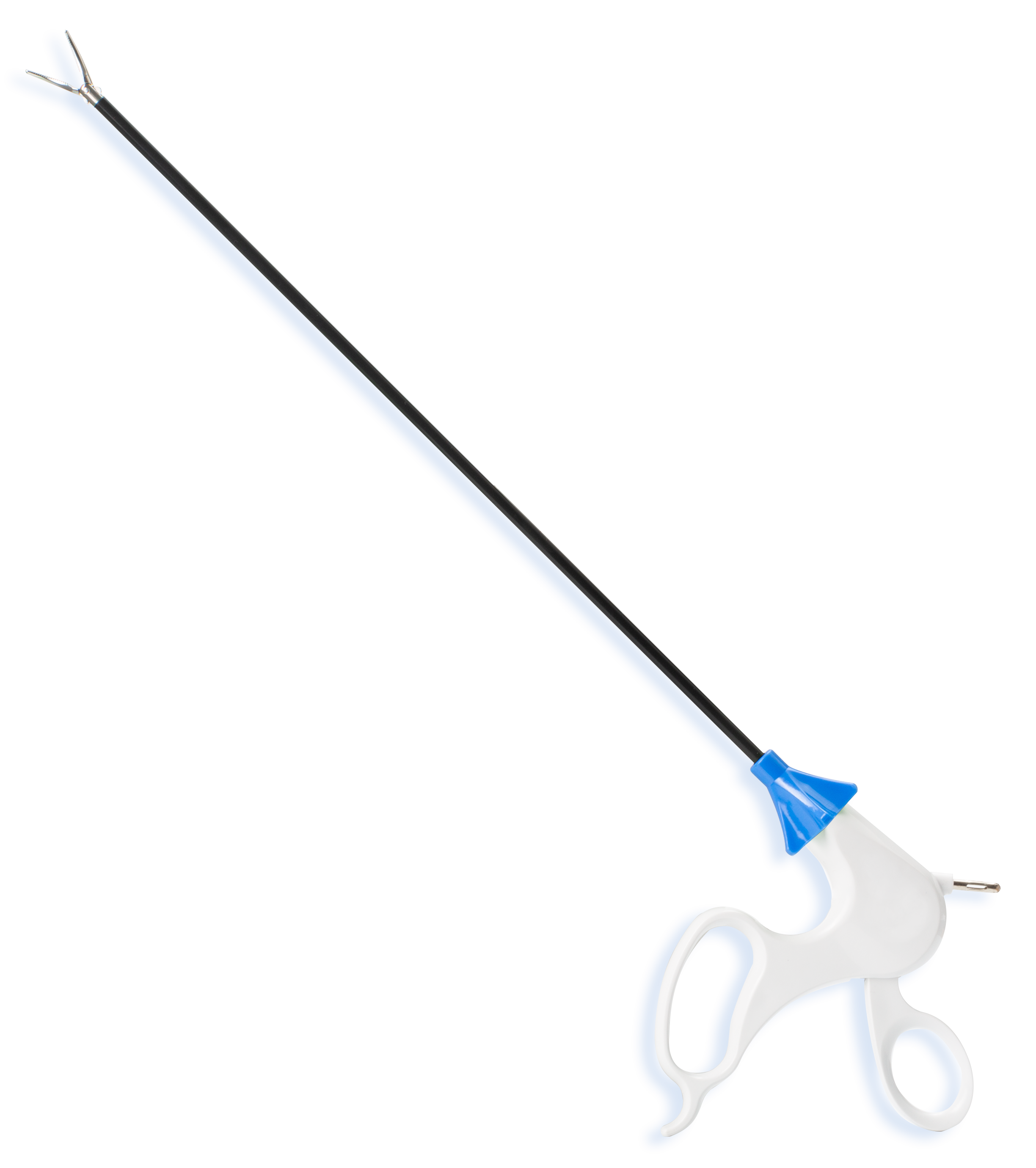
Minimally invasive surgery has transformed patient care by reducing trauma, recovery time, and complications. At the heart of this surgical revolution lie laparoscopic dissectors, specialized instruments that enable surgeons to safely separate tissue planes and navigate complex anatomical structures through tiny incisions. Understanding why laparoscopic dissectors are essential reveals the fundamental connection between instrumentation quality and surgical success in modern operating rooms.
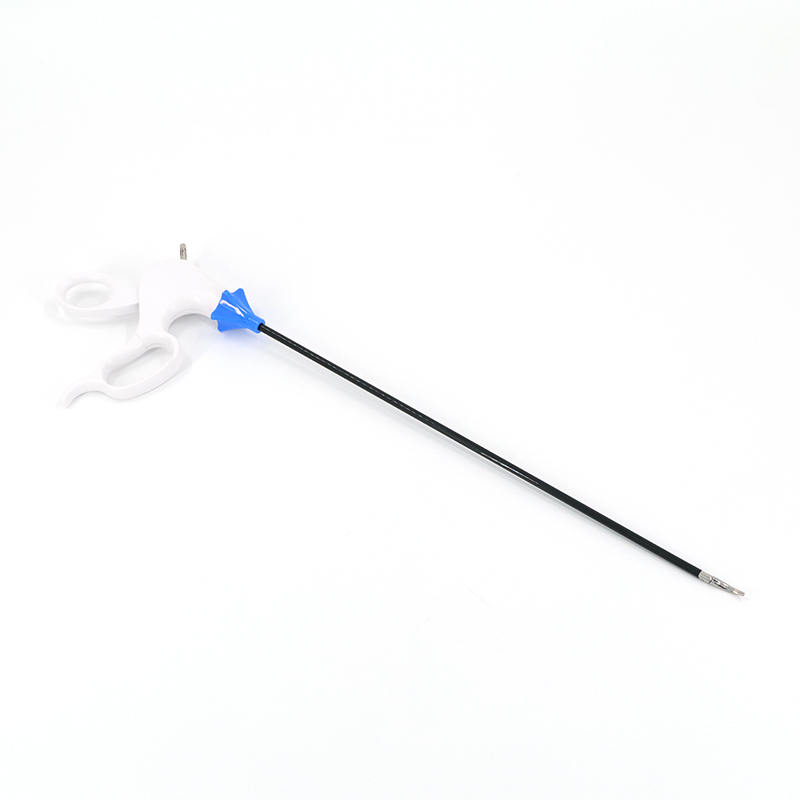
The evolution of laparoscopic dissectors from basic tools to precision instruments reflects decades of surgical innovation. Surgeons require laparoscopic dissectors that provide superior tactile feedback, precise cutting and blunt dissection capabilities, and reliable ergonomic design. These instruments directly influence operative outcomes, tissue damage, and patient safety during procedures ranging from cholecystectomy to complex abdominal interventions.
The Critical Role of Laparoscopic Dissectors in Tissue Manipulation
Precision and Control in Confined Spaces
Working through laparoscopic ports requires exceptional dexterity and instrument control. Laparoscopic dissectors provide surgeons with the ability to separate tissue layers with millimeter-level precision while maintaining clear visualization on the monitor. This precision prevents unintended tissue trauma, reduces bleeding, and minimizes the risk of inadvertent organ perforation. The design of laparoscopic dissectors allows surgeons to apply controlled force, distinguishing between blunt dissection for safe separation and cutting dissection when necessary.
Reducing Operative Time and Complications
Efficient tissue dissection directly correlates with reduced operative time and lower complication rates. Quality laparoscopic dissectors enable faster, safer dissection by providing optimal grip texture and balanced weight distribution. When surgeons depend on inferior laparoscopic dissectors, they experience hand fatigue, loss of control, and increased reliance on alternative instruments, extending procedure duration. Modern laparoscopic dissectors are engineered to minimize these challenges, allowing surgeons to maintain consistent performance throughout lengthy procedures.
Why Laparoscopic Dissectors Matter for Patient Outcomes
Minimizing Tissue Trauma and Blood Loss
The fundamental advantage of minimally invasive surgery depends on using appropriate instruments like laparoscopic dissectors that respect tissue integrity. Unlike blunt instruments or inadequate dissectors, properly designed laparoscopic dissectors allow controlled separation of tissue planes with minimal thermal injury or mechanical damage. This tissue-sparing approach reduces bleeding during dissection, decreases inflammatory response, and accelerates healing. Patients benefit from reduced postoperative pain, shorter hospital stays, and faster return to normal function when surgeons employ superior laparoscopic dissectors.
Enabling Complex Procedures Through Limited Access
Advanced laparoscopic procedures including complex hernia repair, bariatric surgery, and oncologic resections demand laparoscopic dissectors with versatile functionality. These instruments must handle diverse tissue types, navigate around vital structures, and provide sufficient reach and articulation within constrained operative fields. The availability of laparoscopic dissectors with multiple blade designs, handle configurations, and working lengths expands the scope of procedures safely manageable through minimally invasive approaches.
Essential Features That Make Laparoscopic Dissectors Indispensable
Ergonomic Design and Surgeon Safety
Extended operative procedures place significant physical demands on surgical teams. Laparoscopic dissectors must feature ergonomic handles that reduce hand fatigue and enable precise manipulation even during lengthy cases. Superior laparoscopic dissectors incorporate textured grips, balanced weight distribution, and intuitive handle geometry that prevent repetitive strain injuries. Surgeons who use poorly designed instruments face occupational hazards including hand fatigue, reduced sensory feedback, and compromised performance during critical dissection phases.
Material Quality and Durability
The material composition of laparoscopic dissectors directly affects their performance and reliability. Surgical-grade stainless steel laparoscopic dissectors maintain sharp cutting edges through multiple uses, provide consistent tissue response, and resist corrosion from sterilization processes. Inferior materials may dull prematurely, develop microscopic defects, or create unpredictable resistance during dissection. Investing in laparoscopic dissectors manufactured from premium materials ensures consistent instrument performance and protects against unexpected failures during critical surgical moments.
Blade Design Variations
Different surgical scenarios demand laparoscopic dissectors with specific blade designs. Hook dissectors excel at elevating and separating tissue layers, spatula dissectors provide broad surface contact for blunt dissection, and monopolar laparoscopic dissectors enable electrosurgical cutting when necessary. Having access to various laparoscopic dissectors within a single procedure allows surgeons to select the optimal instrument for each dissection phase, improving efficiency and safety. This instrumentation versatility represents a core reason why modern surgical departments invest in comprehensive laparoscopic dissectors collections.
FAQ
What makes laparoscopic dissectors different from traditional open surgery instruments?
Laparoscopic dissectors are specifically engineered for operation through narrow ports with limited visualization and tactile feedback. Unlike open surgery instruments, laparoscopic dissectors feature extended working lengths, specialized handle configurations optimized for articulation through trocars, and blade designs adapted for limited access environments. The ergonomics, materials, and precision engineering of laparoscopic dissectors directly reflect the unique demands of minimally invasive surgical techniques.
How often should surgical facilities replace laparoscopic dissectors?
Replacement frequency depends on usage intensity, sterilization methods, and material quality. Premium laparoscopic dissectors may withstand hundreds of uses when properly maintained, while lower-quality instruments may dull or deteriorate after dozens of procedures. Surgical facilities should establish inspection protocols for laparoscopic dissectors, replacing them when cutting edges become dull, handles develop cracks, or articulation becomes sluggish. Regular assessment ensures laparoscopic dissectors consistently meet surgical standards.
Can laparoscopic dissectors be used for all minimally invasive procedures?
While laparoscopic dissectors are essential for most laparoscopic procedures, specific interventions may require specialized variations. Robotic-assisted surgery uses dedicated instruments designed for robotic platforms rather than standard laparoscopic dissectors. Single-port procedures may require different handle geometry than multi-port techniques. Thoracoscopic procedures sometimes demand laparoscopic dissectors adapted for the unique anatomy and visualization angle of thoracic spaces. Surgeons must select laparoscopic dissectors that match their specific procedural requirements and available port configurations.