 EN
EN

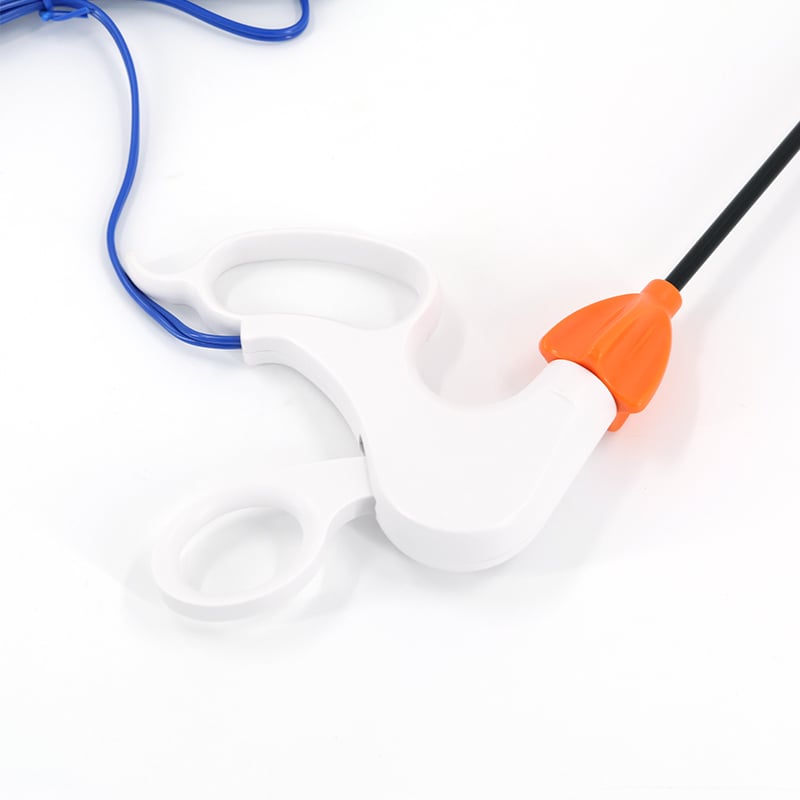
Surgical site infection remains one of the most serious complications in operative medicine, and the instruments used during a procedure play a direct role in whether contamination occurs. A wound protector is a specialized device designed to shield the edges of a surgical incision from bacterial exposure, physical trauma, and contact with contaminated tissue throughout the duration of an operation. By creating a clean barrier between the incision margin and the operative field, the wound protector addresses one of the most consistent sources of postoperative infection in abdominal and other open procedures.
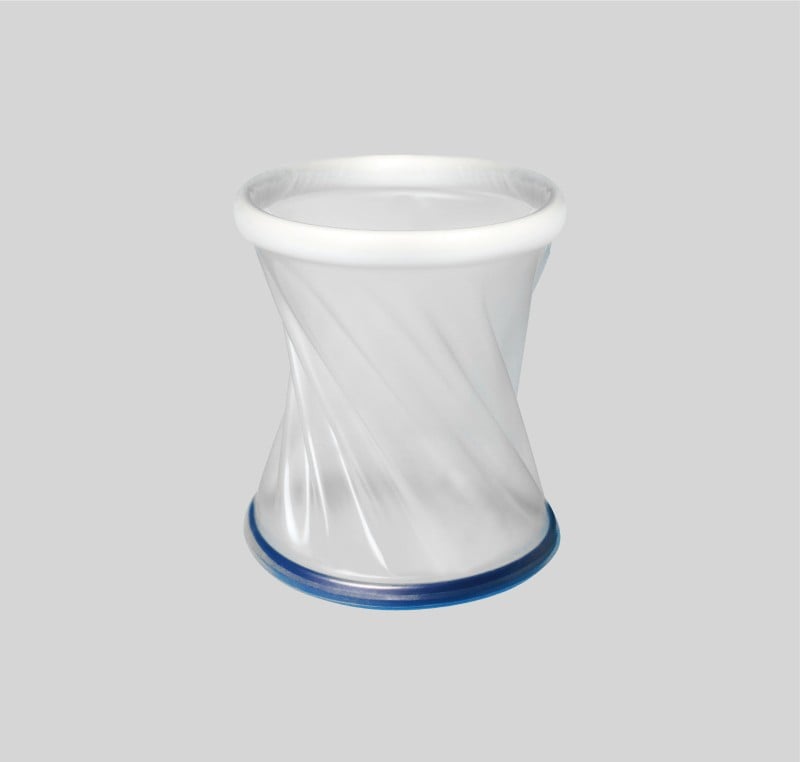
Understanding how a wound protector functions mechanically and biologically helps surgical teams make informed decisions about its integration into standard protocols. The wound protector is not simply a retraction tool. It is an active line of defense against contamination at the wound margin, and its design features directly correspond to measurable reductions in infection-related outcomes. Surgical teams that routinely deploy a wound protector report fewer wound complications and lower rates of incision-related postoperative morbidity.
The Mechanical Role of a Wound Protector in Blocking Contamination
Physical Barrier Function at the Incision Edge
The primary mechanism by which a wound protector reduces infection risk is straightforward: it physically separates the wound edge from direct contact with the external environment, bowel content, and other contaminated structures. During abdominal surgery, the incision margin is highly vulnerable because it is in close proximity to the intestinal tract and other non-sterile regions. The wound protector wraps around the full circumference of the incision with a thin, impermeable sleeve, ensuring that neither intestinal flora nor instrument-transferred bacteria can reach the tissue directly.
This sleeve acts as a passive but highly effective contamination block. Without a wound protector in place, every instrument passage through the incision risks dragging surface bacteria into deeper tissue layers. With a wound protector secured in position, this pathway is effectively closed. The material used in a wound protector sleeve is typically translucent and moisture-resistant, maintaining its integrity even during lengthy procedures that involve significant fluid exposure.
Retraction Without Tissue Trauma
A wound protector also reduces infection risk by eliminating the need for repeated mechanical retraction of wound edges with metal instruments. Traditional retractors create micro-tears, ischemic zones, and devitalized tissue — all conditions that increase susceptibility to bacterial colonization. The wound protector achieves consistent, circumferential retraction through its rigid ring design, meaning that wound edges remain held open without crush injury. Healthy, well-perfused tissue at the incision margin is significantly more resistant to infection than tissue that has been repeatedly compressed or torn.
Biological Mechanisms Behind Wound Protector Efficacy
Reducing Endogenous Bacterial Translocation
Beyond mechanical shielding, the wound protector addresses infection risk at a biological level by preventing endogenous bacterial translocation. In colorectal and other gastrointestinal procedures, the incision margin is at high risk of contamination from intestinal content. Even brief contact between bowel flora and the wound edge can establish a bacterial load sufficient to initiate infection. The wound protector creates an impermeable physical sleeve that prevents luminal bacteria from colonizing the incision tissue during bowel manipulation and resection phases.
Clinical evidence consistently demonstrates that procedures using a wound protector show lower rates of wound contamination, particularly in procedures classified as clean-contaminated or contaminated. This reduction is directly attributable to the barrier function of the wound protector sleeve, which limits the exposure window during the most infection-prone stages of the operation. Surgeons performing colorectal resections and emergency laparotomies benefit most from this function of the wound protector.
Maintaining Wound Moisture Balance and Tissue Integrity
The wound protector also contributes to a stable wound microenvironment by reducing desiccation of incision edges. Prolonged air exposure during open surgery dries the wound margin, weakening the tissue's local immune response and creating conditions where bacteria encounter less resistance. The sleeve of the wound protector maintains moisture at the incision edge, supporting the natural immune cell activity that provides a first line of defense against bacterial invasion. This moisture-preserving function is a less-discussed but clinically relevant aspect of how the wound protector reduces infection risk over longer procedures.
Practical Deployment and Design Considerations
Rigid Ring Design and Secure Positioning
The wound protector with a rigid ring design offers several practical advantages that contribute to its infection-control effectiveness. The rigid ring seats firmly against the fascial layer and abdominal wall, holding the wound protector sleeve in consistent tension throughout the procedure. This prevents sleeve migration, which could expose wound edges to contamination if the device shifts during surgery. A securely positioned wound protector maintains full circumferential coverage regardless of instrument movement, retraction angle, or procedure duration.
The wound protector is designed for single use, eliminating the risk of cross-contamination that is associated with reusable retraction systems. Each disposable wound protector arrives sterile and is deployed once, ensuring that no residual biological material from prior procedures can compromise the sterile field. This design commitment means that every deployment of a wound protector starts from a verified, uncompromised baseline of sterility.
Integration Into Surgical Workflow
A wound protector integrates smoothly into standard operative workflow without adding meaningful time or complexity. Placement of the wound protector typically takes under a minute, and once positioned, it requires no additional adjustment. The wound protector remains in place for the entire procedure and is removed with the final closure stage. This simplicity means that even in high-pressure or emergency operative settings, the wound protector can be reliably deployed as part of the opening sequence. Surgical teams that standardize the wound protector as part of their setup protocol find that adoption rates are high and compliance is consistent.
FAQ
Which surgical procedures benefit most from using a wound protector?
The wound protector provides the greatest infection-control benefit in procedures involving the gastrointestinal tract, including colorectal resections, bowel repairs, and emergency laparotomies. Any procedure classified as clean-contaminated or contaminated is a strong indication for wound protector use, as the risk of endogenous bacterial contamination at the incision edge is highest in these cases.
Does a wound protector replace other sterile precautions in surgery?
No. The wound protector is one component of a comprehensive infection prevention strategy. It works alongside antibiotic prophylaxis, sterile draping, proper instrument handling, and surgical hand preparation. The wound protector enhances these measures by providing a physical barrier that other precautions cannot replicate, but it does not substitute for the broader sterile field management protocol.
How does the rigid ring design of a wound protector improve performance?
The rigid ring design of a wound protector ensures stable, consistent positioning against the wound edge without requiring manual adjustment during the procedure. It distributes retraction force evenly around the incision circumference, reducing focal tissue trauma. The secure fit also prevents sleeve displacement, which maintains complete barrier coverage throughout the operation and eliminates gaps where contamination could reach the wound margin.