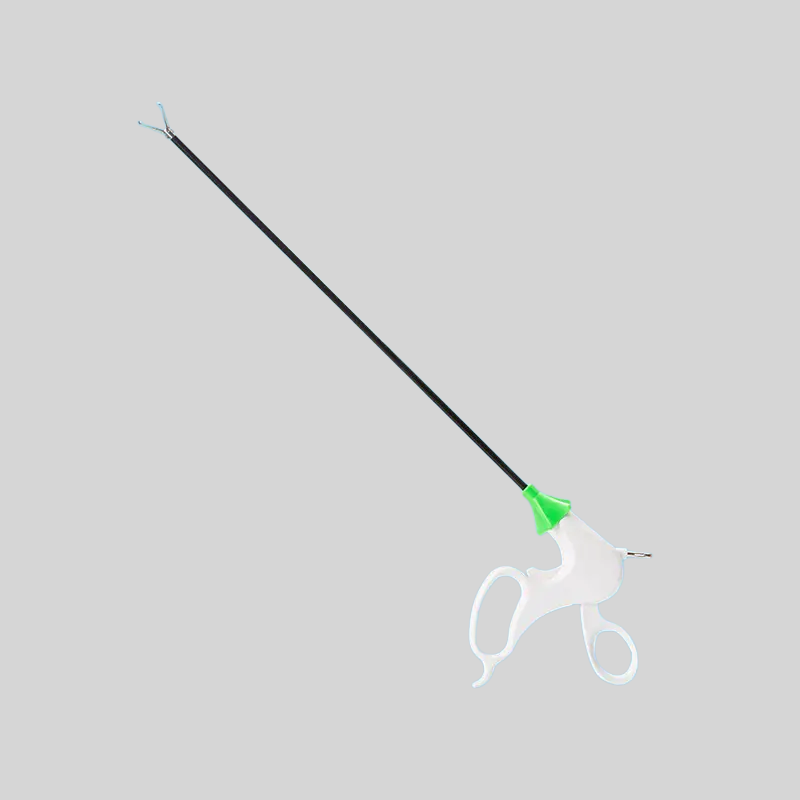
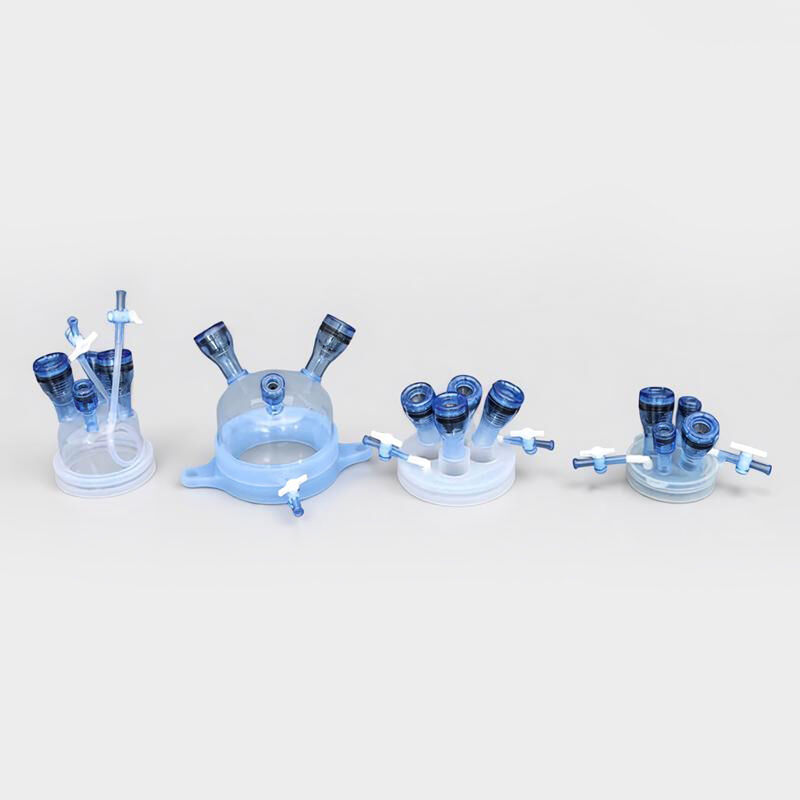
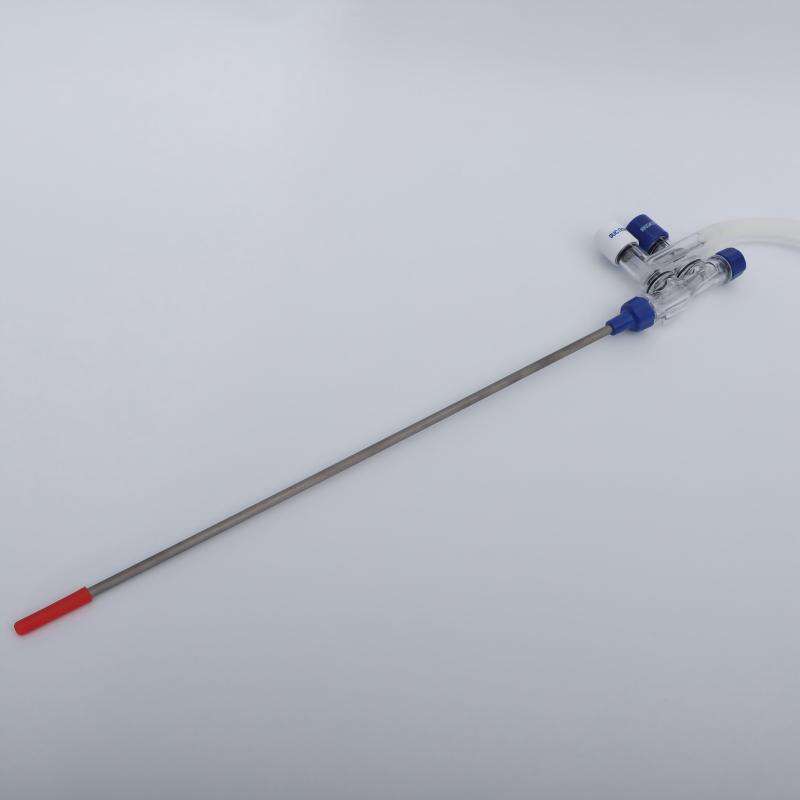
sterile robot cover
A sterile robot cover represents a revolutionary advancement in surgical technology, designed to maintain the highest standards of sterility while allowing robotic systems to operate effectively in operating rooms. This specialized protective barrier serves as a critical interface between sophisticated robotic equipment and the sterile surgical environment, ensuring patient safety and surgical precision remain uncompromised. The sterile robot cover functions as a transparent, flexible membrane that encases robotic arms, cameras, and other mechanical components without hindering their movement or functionality. Modern sterile robot covers incorporate advanced materials engineered to resist punctures, tears, and contamination while maintaining optical clarity for camera systems and tactile sensitivity for surgical instruments. These covers utilize proprietary polymer technology that creates an impermeable barrier against microorganisms, blood, and other potentially infectious materials. The technological features of sterile robot covers include multi-layered construction with antimicrobial properties, static-resistant surfaces, and specialized attachment mechanisms that ensure secure fitting without compromising sterility. Many covers feature integrated cable management systems that organize and protect electrical connections while maintaining the sterile field. Advanced models incorporate haptic feedback preservation technology, allowing surgeons to maintain precise control and sensation during procedures. The sterile robot cover applications span across multiple surgical specialties, including cardiac surgery, neurosurgery, orthopedics, and minimally invasive procedures. In cardiac operations, these covers enable robotic systems to perform delicate heart procedures while maintaining the sterile environment crucial for preventing post-operative infections. Neurosurgical applications benefit from the enhanced precision that robotic systems provide when protected by sterile covers, allowing for intricate brain and spinal procedures with reduced risk of contamination. Orthopedic surgeries utilize sterile robot covers to ensure joint replacement and bone repair procedures maintain sterility throughout extended operations. The covers are engineered to withstand the demanding conditions of surgical environments, including exposure to surgical lights, cleaning solutions, and the physical demands of robotic movement during procedures.

 EN
EN