Robotic Arm Protection Cover Solutions - Industrial Equipment Protection Systems

Get a Free Quote

Our representative will contact you soon.
Email
Mobile/WhatsApp
Name
Company Name
Message
0/1000

robotic arm protection cover

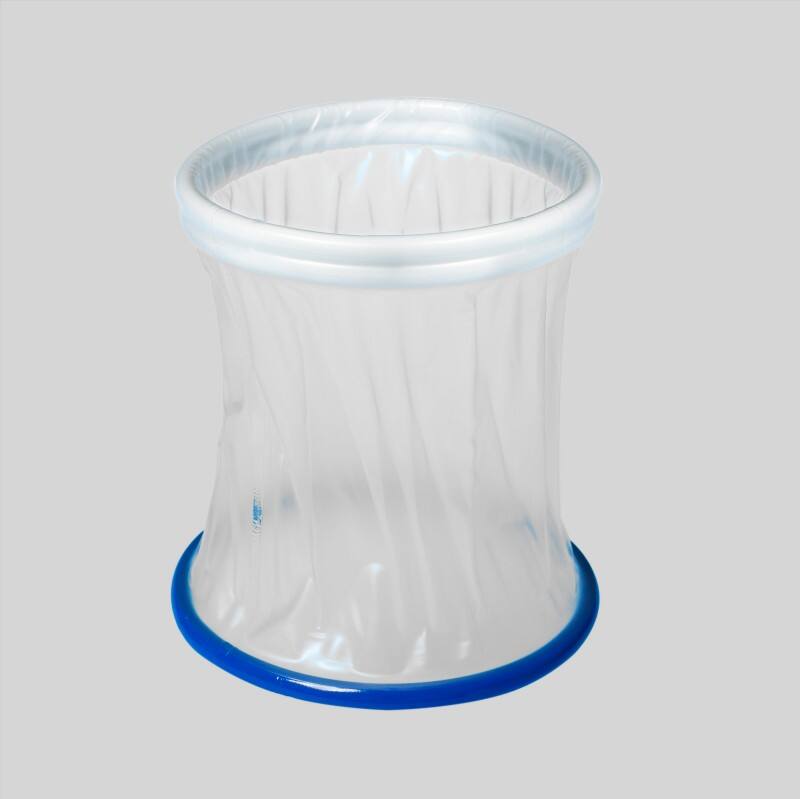
A robotic arm protection cover serves as an essential safeguarding solution designed to shield automated robotic systems from environmental hazards, contaminants, and operational wear. These specialized protective enclosures create a barrier between robotic equipment and potentially damaging elements found in industrial environments, including dust, moisture, chemicals, metal shavings, and temperature fluctuations. The primary function of a robotic arm protection cover extends beyond simple environmental protection to include enhanced operational reliability, extended equipment lifespan, and reduced maintenance requirements. Modern protection covers incorporate advanced materials such as reinforced fabrics, flexible polymers, and specialized coatings that provide superior resistance to abrasion, punctures, and chemical exposure while maintaining the flexibility necessary for robotic movement. The technological features of contemporary robotic arm protection covers include modular designs that accommodate various robotic configurations, quick-release mechanisms for easy maintenance access, and integrated ventilation systems that prevent moisture buildup. Many covers feature accordion-style construction that expands and contracts with robotic motion, ensuring complete protection throughout the full range of movement. Advanced models incorporate sensors that monitor internal conditions and alert operators to potential issues before they become critical problems. The applications for robotic arm protection covers span numerous industries including automotive manufacturing, aerospace production, food processing, pharmaceutical operations, and heavy machinery fabrication. In automotive plants, these covers protect painting robots from overspray and chemical exposure while maintaining precision movement capabilities. Aerospace applications require covers that withstand extreme temperature variations and provide contamination-free environments for precision assembly operations. Food processing facilities utilize covers that meet stringent hygiene standards and resist bacterial growth while protecting equipment from moisture and cleaning chemicals. The versatility of robotic arm protection covers makes them indispensable components in any automated manufacturing environment where equipment protection and operational efficiency are paramount concerns.
New Product Releases

The implementation of robotic arm protection covers delivers substantial cost savings by significantly reducing maintenance expenses and equipment replacement costs. When robotic systems operate without proper protection, contaminants infiltrate sensitive components, causing premature wear, calibration drift, and unexpected breakdowns that result in costly repairs and production delays. Protection covers create an effective barrier that keeps harmful substances away from critical mechanical and electronic components, extending equipment lifespan by up to 300 percent in harsh industrial environments. This dramatic improvement in longevity translates directly into reduced capital expenditure and improved return on investment for manufacturing operations. Enhanced productivity represents another major advantage of robotic arm protection covers, as protected equipment experiences fewer unplanned shutdowns and operates with greater consistency over extended periods. The covers maintain optimal operating conditions by preventing dust accumulation on sensors, reducing electrical connection corrosion, and protecting hydraulic and pneumatic systems from contamination. This environmental control ensures that robotic systems maintain their precision and accuracy throughout their operational life, resulting in higher quality output and reduced scrap rates. Additionally, protection covers enable robotic systems to operate effectively in previously unsuitable environments, expanding their application potential and increasing facility flexibility. The reduction in cleaning and maintenance requirements provides operational teams with more time to focus on value-added activities rather than routine equipment servicing. Protected robotic systems require less frequent calibration adjustments, reducing downtime and maintaining consistent production schedules. The covers also protect operators and maintenance personnel by containing potential hazards such as flying debris, chemical splashes, or hot surfaces within the robotic work envelope. This safety enhancement reduces workplace accidents and associated costs while improving overall facility safety ratings. Modern protection covers facilitate easier compliance with industry regulations and standards by providing documented environmental control and contamination prevention. The investment in quality protection covers typically pays for itself within the first year of operation through reduced maintenance costs, improved uptime, and extended equipment life, making it one of the most cost-effective upgrades available for robotic systems.

Tips And Tricks

Building Core Competitive Advantage Through Technological Innovation and Quality Control

05

Feb

Building Core Competitive Advantage Through Technological Innovation and Quality Control

View More
Focusing On High-Value Medical Devices, Leveraging a Diversified Product Portfolio To Empower Clinical Minimally Invasive Treatments

05

Feb

Focusing On High-Value Medical Devices, Leveraging a Diversified Product Portfolio To Empower Clinical Minimally Invasive Treatments

View More
Deeply Engaged In The High-End Medical Consumables Field, With Innovation Driving The Development Of Minimally Invasive Surgery.

05

Feb

Deeply Engaged In The High-End Medical Consumables Field, With Innovation Driving The Development Of Minimally Invasive Surgery.

View More

Get a Free Quote

Our representative will contact you soon.
Email
Mobile/WhatsApp
Name
Company Name
Message
0/1000

robotic arm protection cover

Advanced Material Technology and Durability

Advanced Material Technology and Durability

The sophisticated material composition of modern robotic arm protection covers represents a breakthrough in industrial protective technology, combining multiple specialized layers to create an exceptionally durable and versatile barrier system. The outer layer typically consists of high-strength synthetic fabrics treated with chemical-resistant coatings that repel oils, solvents, acids, and other corrosive substances commonly found in manufacturing environments. This outer shell provides excellent tear resistance and puncture protection while maintaining flexibility for unrestricted robotic movement. Beneath the outer layer, advanced insulation materials regulate temperature and provide additional cushioning against impact damage. The inner liner incorporates anti-static properties that prevent electrical discharge buildup, protecting sensitive electronic components from electromagnetic interference. Many covers feature specialized polymer membranes that allow air circulation while blocking liquid penetration, creating a breathable yet waterproof barrier. The construction methodology employs reinforced seaming techniques using industrial-grade threading that withstands repeated flexing and stretching without failure. Strategic placement of wear patches in high-stress areas prevents premature deterioration and extends the cover's operational life significantly. Advanced manufacturing processes ensure consistent material thickness and uniform protective properties throughout the entire cover surface. The material selection process considers specific environmental challenges such as temperature extremes, chemical exposure levels, and mechanical stress patterns unique to each application. Quality control testing includes accelerated aging simulations, chemical resistance evaluations, and mechanical stress testing to verify long-term performance under actual operating conditions. This comprehensive approach to material technology ensures that robotic arm protection covers maintain their protective integrity throughout years of continuous operation while providing reliable performance in the most demanding industrial environments.
Precision Engineering for Optimal Robotic Performance

Precision Engineering for Optimal Robotic Performance

The engineering excellence behind robotic arm protection covers focuses on maintaining optimal robotic performance while providing comprehensive environmental protection through innovative design solutions that accommodate complex movement patterns and operational requirements. Advanced computer-aided design systems analyze robotic kinematics to create covers that move seamlessly with the equipment without restricting range of motion or introducing mechanical interference. The cover structure incorporates strategically placed flex zones that accommodate joint rotation, telescoping sections for linear movements, and accordion-style segments that expand and contract with robotic motion. Precision manufacturing techniques ensure consistent dimensional accuracy and proper fit across various robotic arm configurations and sizes. The attachment systems utilize quick-release mechanisms that allow rapid removal for maintenance access while maintaining secure positioning during operation. Ventilation systems are carefully engineered to provide adequate airflow for temperature regulation while preventing contaminant ingress through filtered air exchange ports. Cable management solutions protect electrical and pneumatic connections while allowing necessary flexibility for movement without creating stress points or wear areas. The cover design accounts for tool changing operations, sensor positioning, and end-effector accessibility through removable panels and access ports that maintain environmental sealing when closed. Weight distribution optimization ensures that the protective cover adds minimal mass to the robotic system, preventing alterations to movement dynamics or payload capacity. Integration considerations include provisions for external sensors, lighting systems, and safety devices that must remain functional while the cover is installed. Advanced modeling software validates cover performance across the full range of robotic motion to identify potential interference points before manufacturing. This comprehensive engineering approach results in protection covers that enhance rather than hinder robotic system performance while providing superior environmental protection throughout the equipment's operational envelope.
Cost-Effective Solution with Measurable ROI

Cost-Effective Solution with Measurable ROI

The economic benefits of implementing robotic arm protection covers extend far beyond the initial investment, delivering measurable returns through reduced operating costs, improved productivity, and enhanced equipment reliability that compound over time. Detailed cost analysis studies demonstrate that facilities implementing comprehensive protection systems achieve average maintenance cost reductions of 60 to 80 percent compared to unprotected equipment operating in similar environments. The prevention of contamination-related failures eliminates expensive emergency repairs, reduces spare parts inventory requirements, and minimizes production disruptions that can cost thousands of dollars per hour in lost productivity. Protected robotic systems maintain their precision specifications longer, reducing the frequency of calibration procedures and associated downtime while improving product quality consistency. The extended equipment lifespan achieved through environmental protection allows organizations to defer major capital expenditures and maximize the return on existing robotic investments. Energy efficiency improvements result from reduced friction and wear in protected mechanical systems, leading to lower power consumption and operating temperatures. Insurance benefits may include reduced premiums due to improved safety ratings and demonstrated commitment to equipment protection and risk mitigation. The standardization of protection systems across multiple robotic installations creates economies of scale in procurement, maintenance training, and spare parts management. Facility flexibility improvements allow robotic systems to operate effectively in previously unsuitable environments, expanding their utilization potential and improving overall facility productivity. The protection covers enable more aggressive production schedules by reducing the risk of unexpected failures during critical manufacturing periods. Documentation of environmental control measures facilitates regulatory compliance and quality certifications that may be required for certain industries or customer contracts. The cumulative effect of these benefits typically results in complete cost recovery within 8 to 12 months of implementation, followed by ongoing savings that continue throughout the equipment's operational life, making robotic arm protection covers one of the most cost-effective investments available for automated manufacturing facilities.
Robotic Arm Protection Cover Solutions - Industrial Equipment Protection Systems

Get a Free Quote

Our representative will contact you soon.
Email
Mobile/WhatsApp
Name
Company Name
Message
0/1000