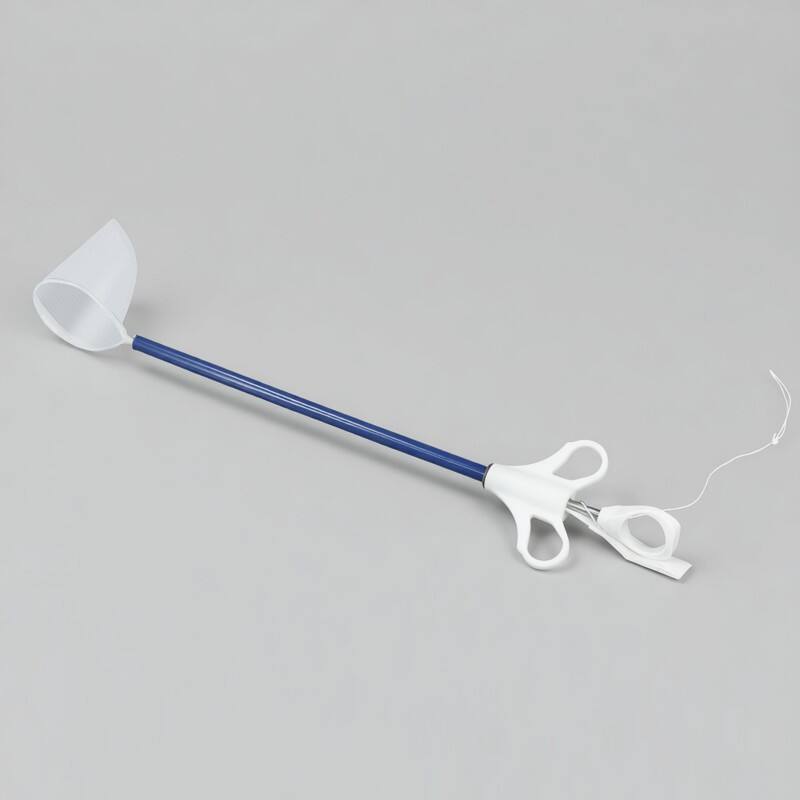
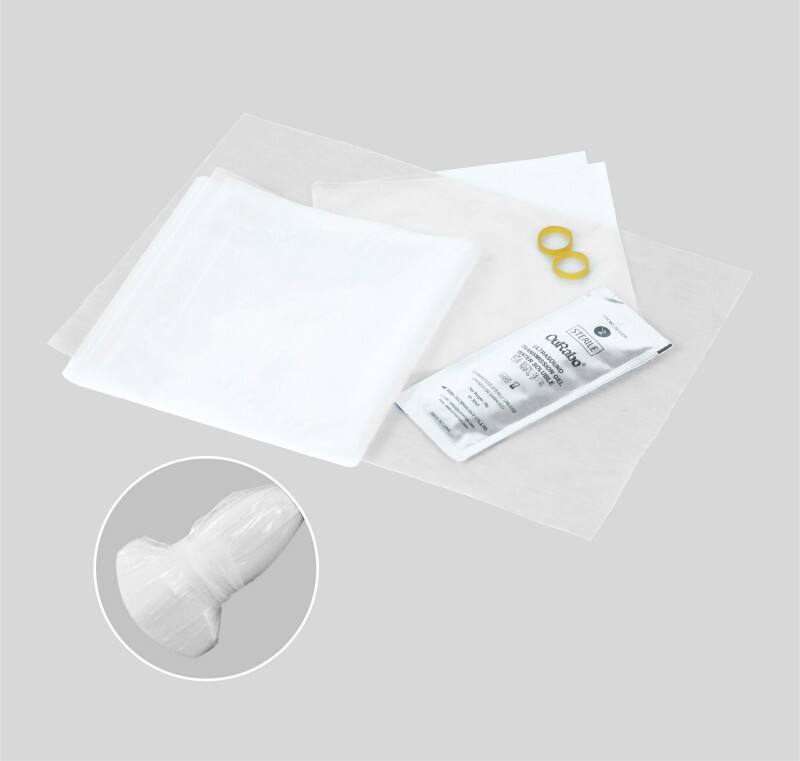
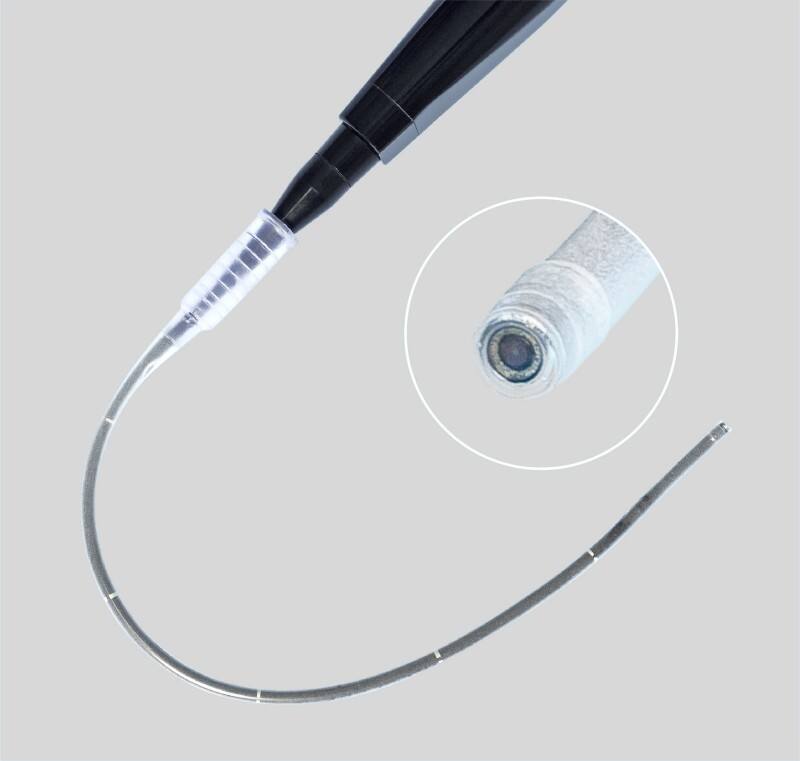
laparoscopic tpu bag
The laparoscopic tpu bag represents a significant advancement in minimally invasive surgical technology, designed specifically to enhance specimen retrieval during laparoscopic procedures. This innovative medical device combines the superior properties of thermoplastic polyurethane (TPU) with specialized engineering to create a reliable, safe, and efficient solution for surgeons worldwide. The laparoscopic tpu bag serves as a containment system that allows surgeons to safely extract tissue specimens, organs, or foreign objects through small incisions without compromising the integrity of the surgical site or risking contamination. The primary function of the laparoscopic tpu bag centers on specimen isolation and secure retrieval. During laparoscopic surgery, surgeons often need to remove tissue samples, gallbladders, appendices, or other biological materials from the patient's body. The laparoscopic tpu bag provides a sterile environment for these specimens, preventing spillage of potentially infectious material into the abdominal cavity and reducing the risk of port site infections. The technological features of the laparoscopic tpu bag include its exceptional flexibility, tear resistance, and biocompatibility. The TPU material offers superior elasticity compared to traditional plastic bags, allowing it to accommodate irregularly shaped specimens while maintaining structural integrity under stress. The bag incorporates a secure closure mechanism that ensures specimens remain contained throughout the extraction process. Its transparent design enables surgeons to visualize the contents clearly, facilitating accurate specimen identification and assessment. The laparoscopic tpu bag finds extensive applications across various surgical specialties including general surgery, gynecology, urology, and oncology. Common procedures utilizing this device include laparoscopic cholecystectomy, appendectomy, nephrectomy, and tumor resections. The versatility of the laparoscopic tpu bag makes it an indispensable tool in modern surgical practice, contributing to improved patient outcomes and reduced surgical complications.
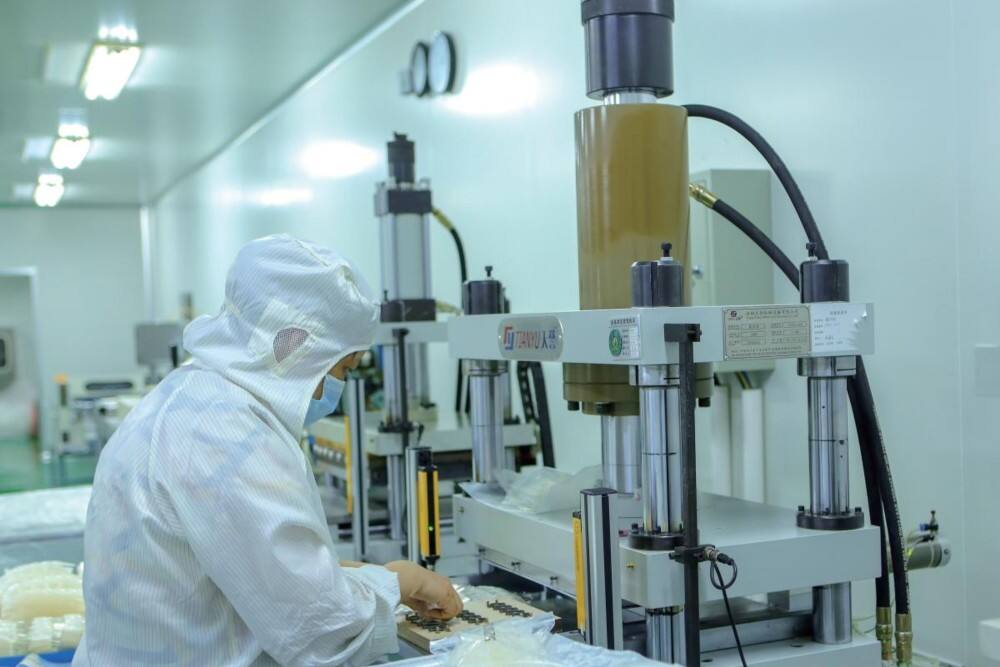

 EN
EN