tpu fluid bag
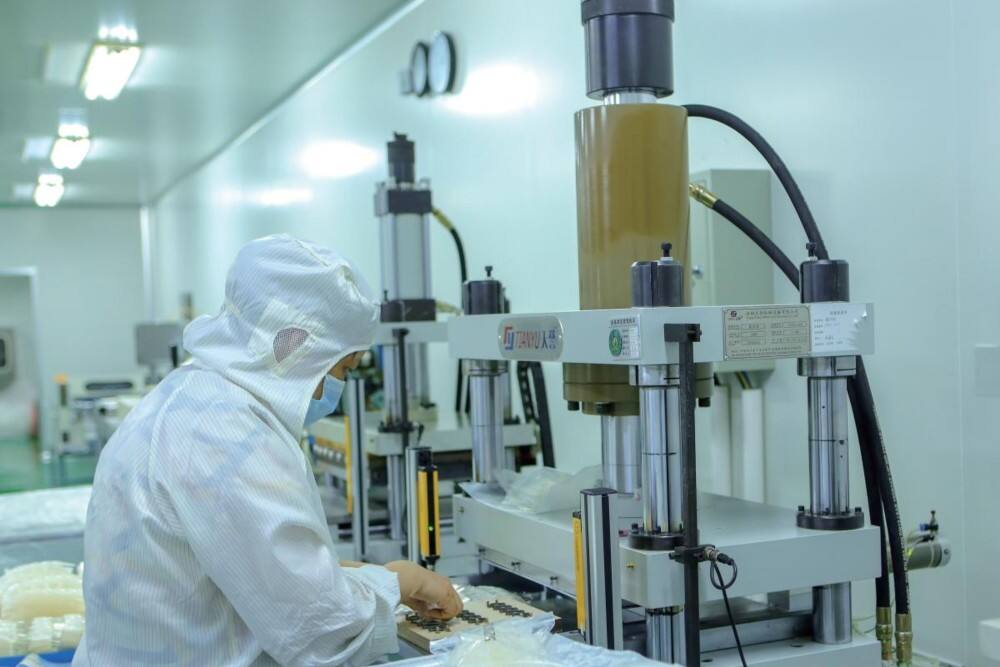
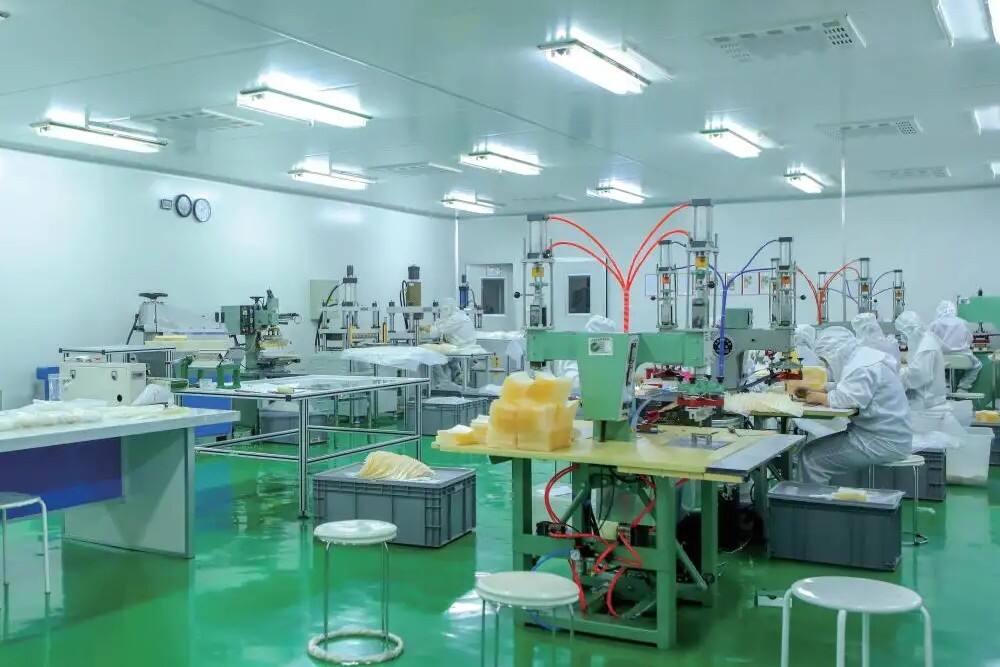
The TPU fluid bag represents a revolutionary advancement in flexible containment technology, utilizing thermoplastic polyurethane (TPU) materials to create superior storage and transport solutions for various liquids. This innovative container system combines exceptional durability with remarkable flexibility, making it an ideal choice for industries requiring reliable fluid handling capabilities. The TPU fluid bag features a multi-layered construction that incorporates advanced polymer engineering to deliver unmatched performance in demanding applications. Its primary functions include secure liquid storage, efficient transportation of fluids across different environments, and providing a cost-effective alternative to traditional rigid containers. The technological foundation of the TPU fluid bag centers on the unique properties of thermoplastic polyurethane, which offers outstanding resistance to punctures, tears, and chemical degradation. This material selection ensures long-term reliability while maintaining flexibility across a wide temperature range. The manufacturing process involves precision welding techniques that create seamless joints, eliminating potential weak points that could compromise the bag's integrity. Advanced valve systems integrated into the TPU fluid bag design facilitate controlled filling and dispensing operations, while specialized fittings accommodate various connection requirements. The applications for TPU fluid bags span numerous industries, including agriculture for liquid fertilizer storage, industrial manufacturing for chemical transport, emergency response for water distribution, and recreational activities such as camping and marine applications. These versatile containers excel in situations where traditional rigid tanks prove impractical due to space constraints, weight limitations, or transportation challenges. The compact storage capability of TPU fluid bags when empty makes them particularly valuable for operations requiring seasonal or intermittent use. Their adaptability to irregular spaces and ability to conform to available storage areas provides significant logistical advantages over conventional containment methods.

 EN
EN