Advanced Uterine Fibroid Fragmentation Bag - Safe Laparoscopic Surgery Solution

Get a Free Quote

Our representative will contact you soon.
Email
Mobile/WhatsApp
Name
Company Name
Message
0/1000

uterine fibroid fragmentation bag

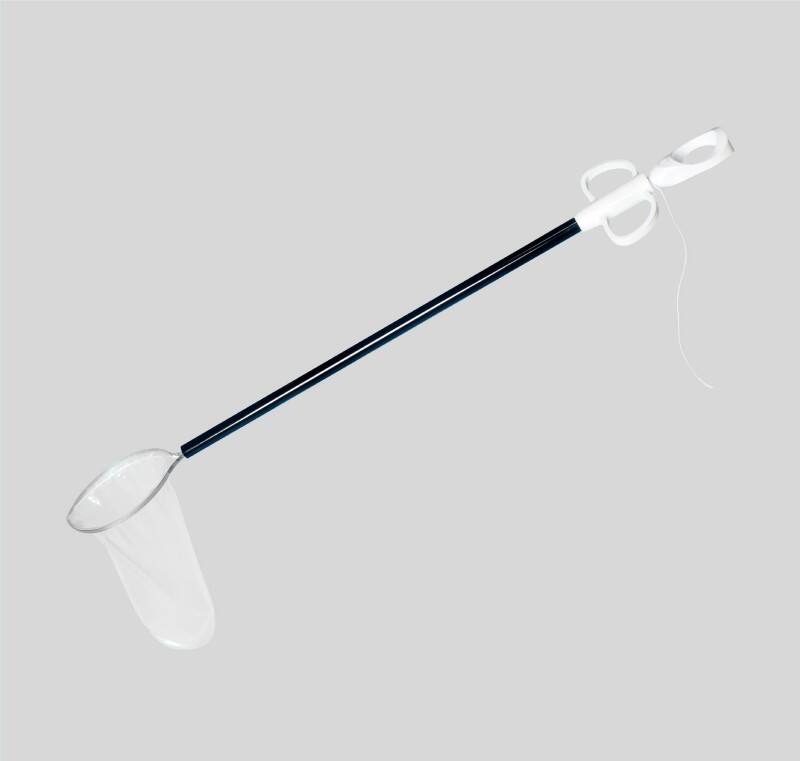
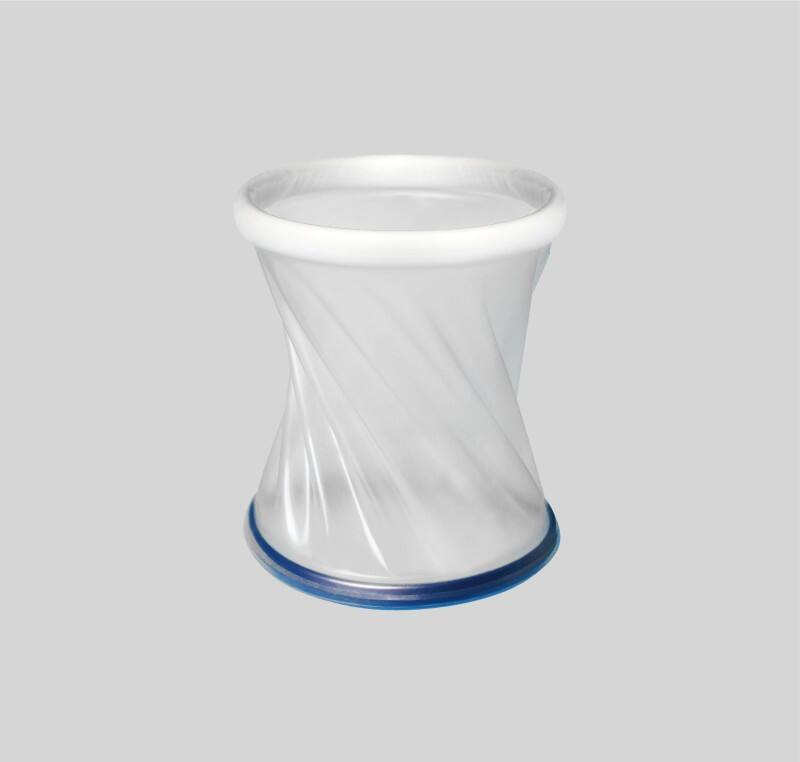
The uterine fibroid fragmentation bag represents a revolutionary advancement in minimally invasive gynecological surgery, specifically designed to enhance the safety and effectiveness of laparoscopic fibroid removal procedures. This specialized medical device serves as a containment system that allows surgeons to fragment and remove uterine fibroids while preventing tissue spillage into the peritoneal cavity. The uterine fibroid fragmentation bag addresses critical safety concerns that have emerged in modern gynecological surgery, particularly regarding the risk of spreading undiagnosed malignant tissue during morcellation procedures. The device features a durable, biocompatible construction that maintains structural integrity throughout the surgical process while providing optimal visualization for the operating surgeon. The bag's innovative design incorporates advanced sealing mechanisms that ensure complete containment of fragmented tissue, significantly reducing the risk of inadvertent tissue dissemination. Key technological features include a reinforced opening that accommodates various surgical instruments, a transparent material that allows for clear visualization of the contained tissue, and a secure closure system that prevents any potential leakage. The uterine fibroid fragmentation bag is primarily utilized during laparoscopic myomectomy procedures, where it serves as a protective barrier that isolates the fibroid tissue from surrounding healthy organs and tissues. This containment approach has become increasingly important following medical guidelines that emphasize the need for tissue protection during morcellation procedures. The device's versatility extends to various fibroid sizes and locations within the uterus, making it an essential tool for gynecological surgeons performing complex procedures. Clinical applications of the uterine fibroid fragmentation bag include both diagnostic and therapeutic procedures, where precise tissue management is crucial for patient outcomes. The bag's design accommodates different surgical approaches and instrument configurations, ensuring compatibility with existing laparoscopic equipment and techniques. This medical innovation represents a significant step forward in patient safety protocols while maintaining the minimally invasive benefits that patients and surgeons value in modern gynecological surgery.
Popular Products

The uterine fibroid fragmentation bag offers numerous practical benefits that directly impact patient safety, surgical efficiency, and overall treatment outcomes. The primary advantage lies in its ability to eliminate the risk of tissue spillage during fibroid morcellation, which has been a significant concern in gynecological surgery. By containing all fragmented tissue within the secure confines of the bag, surgeons can confidently perform necessary procedures without worrying about potential complications from scattered tissue fragments. This containment feature proves particularly valuable when dealing with larger fibroids that require extensive fragmentation for removal through small laparoscopic incisions. The device significantly reduces operative time by streamlining the tissue removal process, as surgeons no longer need to implement time-consuming alternative techniques to prevent tissue spillage. Patients benefit from shorter anesthesia exposure and reduced recovery periods due to the maintained minimally invasive approach. The uterine fibroid fragmentation bag preserves all the advantages of laparoscopic surgery, including smaller incisions, reduced scarring, and faster healing times, while addressing safety concerns that might otherwise necessitate more invasive surgical approaches. Cost-effectiveness represents another substantial advantage, as the device helps healthcare facilities avoid potential complications and their associated treatment costs. The bag's reliability reduces the need for additional procedures or extended hospital stays that might result from tissue spillage complications. Healthcare providers appreciate the device's ease of use and integration with existing surgical protocols, requiring minimal additional training for experienced laparoscopic surgeons. The clear visualization provided by the transparent material allows surgeons to monitor the fragmentation process effectively, ensuring complete tissue removal while maintaining precise control throughout the procedure. Quality assurance features built into the uterine fibroid fragmentation bag design provide consistent performance across different surgical scenarios and patient conditions. The device supports evidence-based medicine practices by enabling surgeons to collect complete tissue samples for pathological examination, ensuring accurate diagnosis and appropriate follow-up care. Risk management benefits extend beyond immediate surgical concerns, as the contained approach helps protect healthcare institutions from potential liability issues related to tissue spillage complications. Patients gain peace of mind knowing their procedure incorporates the latest safety innovations while maintaining the convenience and recovery advantages of minimally invasive surgery.

Tips And Tricks

Building Core Competitive Advantage Through Technological Innovation and Quality Control

05

Feb

Building Core Competitive Advantage Through Technological Innovation and Quality Control

View More
Focusing On High-Value Medical Devices, Leveraging a Diversified Product Portfolio To Empower Clinical Minimally Invasive Treatments

05

Feb

Focusing On High-Value Medical Devices, Leveraging a Diversified Product Portfolio To Empower Clinical Minimally Invasive Treatments

View More
Deeply Engaged In The High-End Medical Consumables Field, With Innovation Driving The Development Of Minimally Invasive Surgery.

05

Feb

Deeply Engaged In The High-End Medical Consumables Field, With Innovation Driving The Development Of Minimally Invasive Surgery.

View More

Get a Free Quote

Our representative will contact you soon.
Email
Mobile/WhatsApp
Name
Company Name
Message
0/1000

uterine fibroid fragmentation bag

Advanced Containment Technology Ensures Complete Tissue Security

Advanced Containment Technology Ensures Complete Tissue Security

The uterine fibroid fragmentation bag incorporates cutting-edge containment technology that represents a paradigm shift in surgical safety protocols for gynecological procedures. This innovative feature addresses one of the most pressing concerns in modern laparoscopic surgery: the prevention of tissue spillage during morcellation procedures. The advanced containment system utilizes a multi-layer design that combines strength, flexibility, and transparency to create an impermeable barrier around fragmented fibroid tissue. The bag's construction employs medical-grade materials that have undergone rigorous biocompatibility testing to ensure patient safety and prevent adverse reactions during prolonged surgical exposure. The containment technology features reinforced seams and junction points that maintain structural integrity even under high mechanical stress from surgical instruments and tissue manipulation. This robust design prevents tears or perforations that could compromise the containment function, ensuring complete tissue security throughout the procedure. The sealing mechanism incorporates multiple redundancy features that provide fail-safe protection against accidental opening or loosening during surgery. Surgeons can confidently perform aggressive morcellation techniques knowing that all tissue fragments remain securely contained within the bag's protective environment. The containment system's effectiveness has been validated through extensive laboratory testing and clinical trials, demonstrating consistent performance across various surgical scenarios and tissue types. This technology eliminates the need for complex surgical modifications or alternative procedures that might compromise patient outcomes or extend recovery times. The advanced containment feature particularly benefits patients with larger or multiple fibroids that require extensive fragmentation for removal through standard laparoscopic ports. Healthcare facilities implementing this technology report significant improvements in procedure standardization and risk management protocols. The containment system's reliability allows surgical teams to focus on optimal fibroid removal techniques rather than implementing workaround solutions for tissue management concerns. This technological advancement supports the continued evolution of minimally invasive gynecological surgery while maintaining the highest standards of patient safety and surgical excellence.
Crystal-Clear Visualization Enhances Surgical Precision and Control

Crystal-Clear Visualization Enhances Surgical Precision and Control

The uterine fibroid fragmentation bag features an innovative transparent design that revolutionizes surgical visualization during laparoscopic procedures, providing surgeons with unprecedented clarity and control throughout the tissue removal process. This crystal-clear visualization capability represents a significant advancement over traditional containment methods that often obscure the surgical field and limit procedural accuracy. The transparent material undergoes specialized manufacturing processes to eliminate optical distortions and maintain consistent clarity under various lighting conditions and surgical environments. Surgeons can clearly observe tissue fragmentation progress, ensuring complete fibroid removal while monitoring for any potential complications or anatomical considerations. The enhanced visibility allows for precise instrument manipulation within the contained environment, reducing the risk of inadvertent tissue damage or incomplete removal. This visual clarity proves particularly valuable when dealing with complex fibroid configurations or challenging anatomical locations that require detailed surgical navigation. The transparent design enables real-time assessment of tissue characteristics, helping surgeons identify any unusual findings that might require immediate attention or modified surgical approaches. Quality control becomes significantly more manageable as surgeons can visually confirm complete tissue retrieval before concluding the procedure. The clear visualization feature supports teaching and training applications, allowing surgical residents and fellows to observe detailed techniques and decision-making processes during complex procedures. Documentation and case review benefits from the enhanced visibility, as surgical teams can more accurately record procedural details and outcomes for quality improvement initiatives. The transparent material maintains its optical properties throughout extended procedures, ensuring consistent visualization regardless of procedure duration or complexity. This feature eliminates the guesswork often associated with contained morcellation procedures, providing surgeons with confidence in their technique and outcomes. Patient safety improves through the enhanced surgical precision enabled by optimal visualization, reducing the likelihood of procedural complications or the need for additional interventions. The crystal-clear design supports evidence-based surgical practices by allowing thorough visual inspection of removed tissue, facilitating accurate pathological assessment and appropriate patient management decisions. Healthcare institutions benefit from improved procedural outcomes and reduced revision rates associated with the enhanced surgical control provided by superior visualization capabilities.
Universal Compatibility Streamlines Integration with Existing Surgical Systems

Universal Compatibility Streamlines Integration with Existing Surgical Systems

The uterine fibroid fragmentation bag demonstrates exceptional universal compatibility that seamlessly integrates with existing laparoscopic surgical systems, eliminating the need for costly equipment upgrades or extensive procedural modifications. This comprehensive compatibility feature ensures that healthcare facilities can immediately implement this advanced safety technology without disrupting established surgical workflows or requiring significant capital investments in new instrumentation. The device's design accommodates various trocar sizes and configurations commonly used in gynecological laparoscopy, providing flexibility for different surgical approaches and surgeon preferences. Standard laparoscopic instruments function normally within the bag's environment, maintaining familiar tactile feedback and manipulation characteristics that surgeons rely on for optimal performance. The universal compatibility extends to different morcellation devices and energy systems, allowing surgical teams to utilize their preferred equipment combinations without compromise. This adaptability proves particularly valuable for multi-surgeon practices where individual technique preferences and equipment familiarity contribute to optimal patient outcomes. Training requirements remain minimal due to the device's intuitive design and compatibility with established surgical protocols, enabling rapid adoption across surgical teams with varying experience levels. The bag's port configuration works effectively with both single-site and multi-port laparoscopic approaches, providing versatility for different surgical indications and patient anatomies. Compatibility testing encompasses major surgical equipment manufacturers, ensuring reliable performance regardless of the specific instrument combinations used in different healthcare facilities. This universal design philosophy reduces inventory complexity and procurement challenges associated with specialized surgical devices that require dedicated supporting equipment. Maintenance and sterilization protocols align with existing facility standards, streamlining operational procedures and reducing training burden on support staff. The device's compatibility with standard video systems ensures optimal documentation and visualization without requiring specialized cameras or lighting equipment. Quality assurance programs benefit from the standardized integration approach, as consistent performance metrics can be maintained across different surgical setups and institutional protocols. Cost-effectiveness improves significantly through the elimination of equipment compatibility concerns and associated upgrade requirements. Healthcare administrators appreciate the straightforward implementation process that minimizes disruption to surgical schedules and patient care delivery. The universal compatibility feature supports long-term sustainability by ensuring continued functionality as surgical technologies evolve and institutional equipment preferences change over time.
Advanced Uterine Fibroid Fragmentation Bag - Safe Laparoscopic Surgery Solution

Get a Free Quote

Our representative will contact you soon.
Email
Mobile/WhatsApp
Name
Company Name
Message
0/1000