 EN

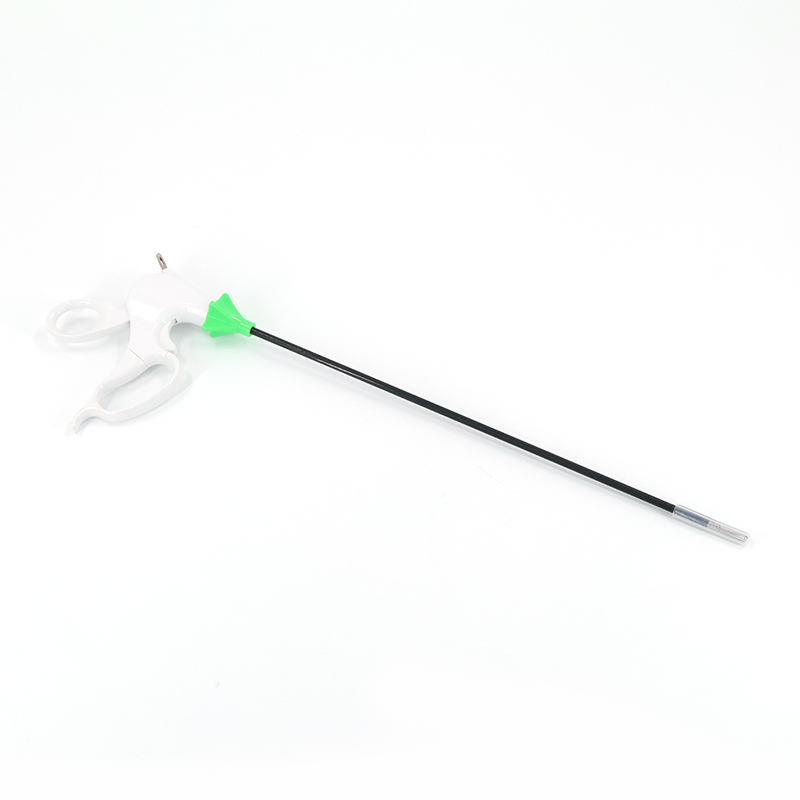
The safety of a monopolar hf electrode depends on how the complete electrosurgical circuit is selected, prepared, and used. Current travels from the active electrode through the patient to a return electrode, so safety is not determined by the handpiece alone. Device compatibility, patient condition, contact quality, settings, and operator technique all shape the risk of unintended heating or injury.
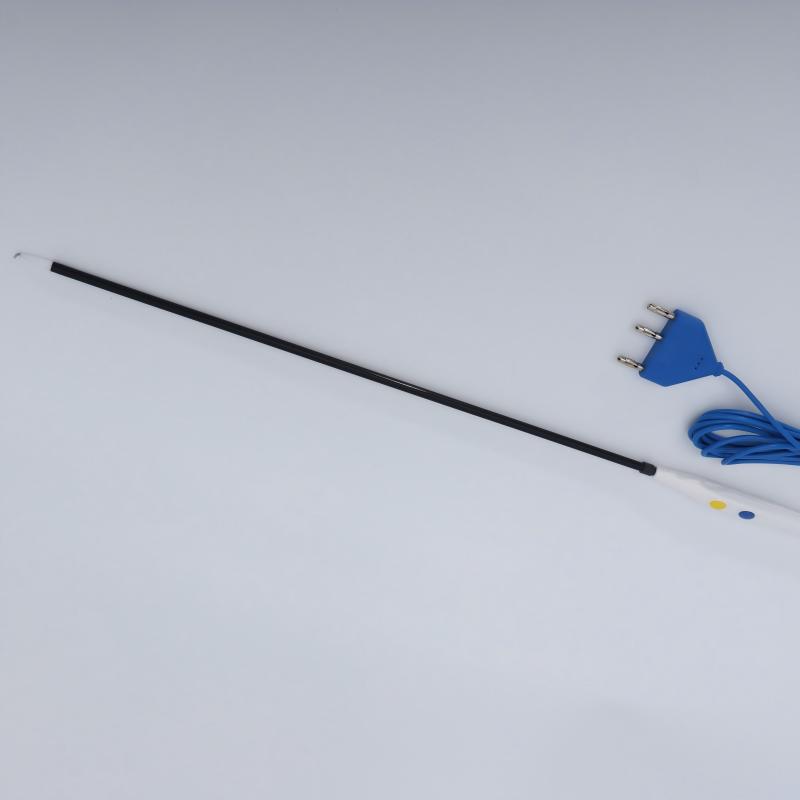
In practice, a monopolar hf electrode is safest when the generator, cable, electrode, and return pathway are compatible and functioning as intended. A monopolar hf electrode also requires careful attention to the treatment site and surrounding materials. Understanding these factors helps clinical teams plan the procedure, identify preventable hazards, and respond appropriately if conditions change.
How the Electrosurgical Circuit Affects Safety
Compatibility and equipment condition
Begin by confirming that the monopolar hf electrode is intended for the generator and procedure in use. The connector, cable, insulation, and active tip must be suitable for the system; a loose connection or damaged insulation can redirect energy or impair control. Check the device instructions and inspect components before setup. A monopolar hf electrode should not be used when damage, contamination, or uncertain compatibility is found.
The generator’s safeguards matter, but they do not replace inspection. Verify that settings and modes correspond to the planned technique, and follow the equipment instructions for alarms and activation. When a monopolar hf electrode is connected, staff should confirm secure connections and keep cables arranged to avoid tension, crushing, or contact with hot surfaces. Remove suspect equipment from use rather than relying on visual reassurance during a procedure.
Return electrode contact and current pathway
A broad, well-applied return electrode provides the intended path for current to leave the patient. Poor adhesion, wrinkles, moisture, hair, scar tissue, or placement over a bony prominence may reduce effective contact and concentrate heating. The monopolar hf electrode is part of this circuit, so its safe operation depends on the return pad as well as the active tip. Follow pad instructions and check contact before activation.
Position the return electrode on an appropriate area with good circulation and enough surface contact, following the generator and pad guidance. Avoid sites where pressure, fluid, or movement could compromise adhesion. If the patient is repositioned, reassess the pad and cables. A monopolar hf electrode should not be activated if the return pathway is uncertain, and an alert from a contact-monitoring system requires action according to the device instructions.
Patient and Procedure Conditions
Preparation, positioning, and patient factors
Patient preparation affects how energy behaves at the operative site. Keep the skin dry where required, manage conductive fluids, and prevent pooling of alcohol-based preparation before activation. Dried drapes and materials should be arranged to reduce unintended contact with the active tip. Safe use of a monopolar hf electrode includes confirming that preparation products are used and allowed to dry according to their instructions.
Positioning can create additional pathways if the patient touches conductive objects or if skin-to-skin contact traps moisture. Use appropriate insulating measures and inspect contact points, particularly after repositioning. For a monopolar hf electrode, the team should also consider implanted electronic devices and other patient-specific factors. Follow applicable clinical guidance and consult relevant specialists when needed; do not assume one routine setup suits every patient.
Site selection and nearby materials
The treatment site, tissue type, and nearby anatomy influence the effect of applied energy. Keep the active tip in view when practical, use it only for the intended task, and avoid unintended contact with adjacent tissue. A monopolar hf electrode can cause thermal injury if activated against the wrong surface or left energized near the patient. The operator should account for tissue response and maintain deliberate control throughout activation.
Drapes, oxygen delivery, and other materials near the field deserve attention because heat or sparks may create a fire hazard in the presence of fuel and an oxidizer. Assess the surgical environment and follow local fire-prevention procedures before using a monopolar hf electrode. Remove or manage combustible materials as appropriate, and coordinate with the team when oxygen concentration or delivery near the operative site could affect risk.
Operating Technique and Risk Controls
Settings, activation, and communication
Use the lowest effective power setting consistent with the clinical task, as directed by professional practice and device instructions. Excessive settings or unnecessarily prolonged activation may increase thermal spread. A monopolar hf electrode should be activated only when the tip is positioned for the intended action, then released promptly. If the desired effect is not achieved, reassess the setup and technique rather than automatically increasing power.
Clear communication supports controlled activation. The operator should signal when energy is about to be applied, while the assisting team keeps the field organized and the return pathway undisturbed. With a monopolar hf electrode, repeated activation without checking tissue response can increase avoidable exposure. Pause if visibility is poor, the device behaves unexpectedly, or an alarm occurs, and follow the system’s instructions before resuming.
Monitoring, maintenance, and staff readiness
During the procedure, monitor the patient, operative field, equipment, and return-pad contact as indicated by the system and clinical protocol. Unexpected heating, odor, visible damage, or inconsistent energy delivery calls for stopping and assessing the cause. The monopolar hf electrode should not be treated as safe simply because it worked earlier; conditions can change with movement, fluid, cable displacement, or prolonged use.
Training helps staff recognize the limits of the equipment and apply the correct response to alarms or suspected injury. Establish who checks connections, places the return electrode, controls activation, and documents concerns. A monopolar hf electrode must be handled according to its instructions, including cleaning, reuse, and disposal requirements. For device-specific details, review the monopolar hf electrode product information and applicable clinical protocols before use.
FAQ
What is the most important factor in monopolar hf electrode safety?
There is no single factor that guarantees safety. A monopolar hf electrode depends on a compatible, intact system, effective return-electrode contact, appropriate patient preparation, and controlled technique. Teams should assess the whole circuit and follow device instructions and clinical protocols rather than focusing only on the active tip.
Can a damaged cable still be used if the electrode works?
No. Visible damage, uncertain insulation, loose connections, or irregular performance should prompt removal from use and assessment under facility procedures. The monopolar hf electrode system must remain intact; apparent function does not establish that current is traveling as intended or that the equipment is safe.
Why should the return electrode be checked after repositioning?
Movement can loosen the pad, change skin contact, or pull on its cable. Because a monopolar hf electrode relies on a complete return pathway, reassessing contact after repositioning helps identify a problem before activation. Follow the pad and generator instructions for placement and contact monitoring.