 EN
EN

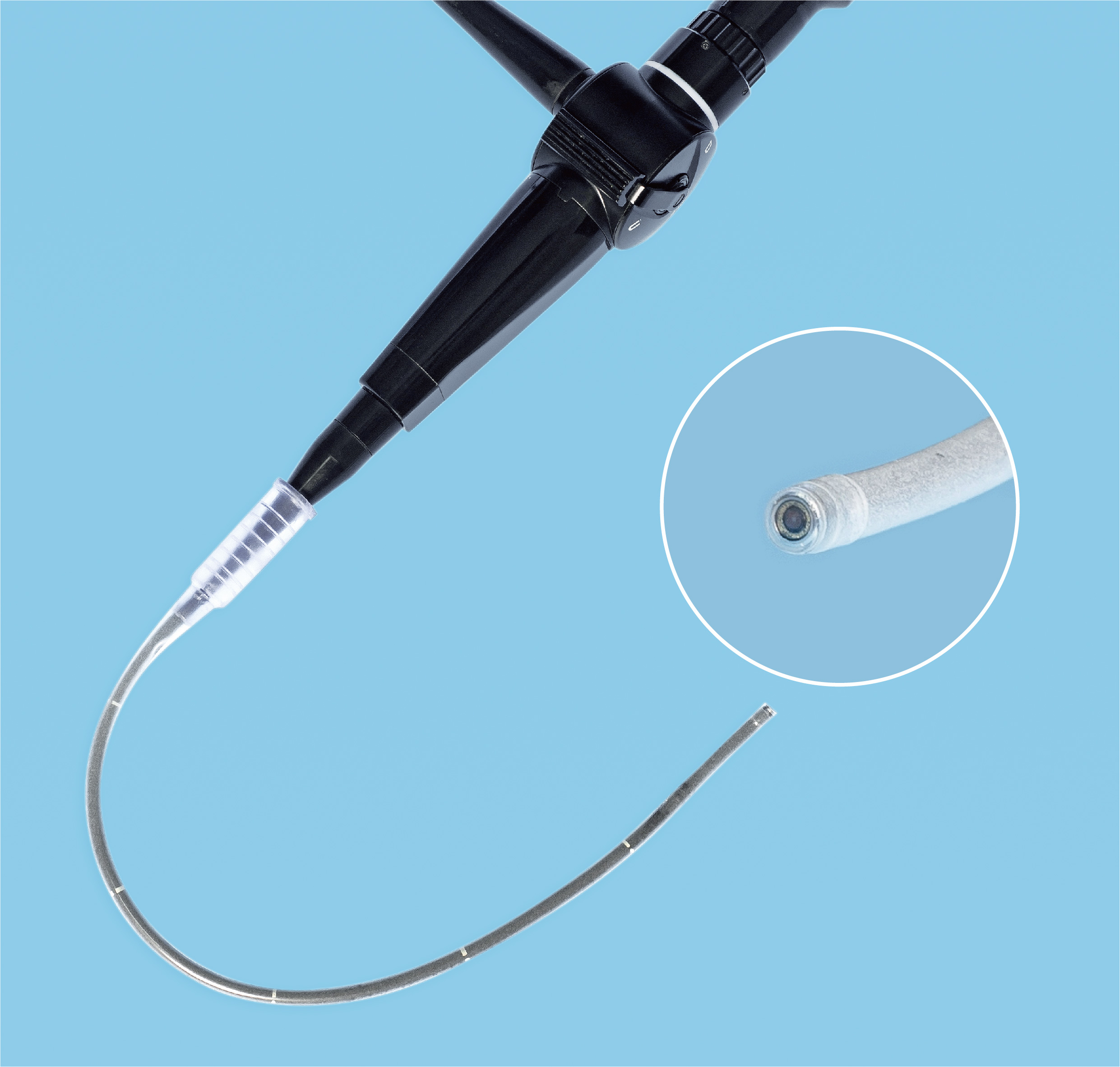
Instrument contamination remains one of the most critical challenges in endoscopy and surgical environments. Healthcare facilities face mounting pressure to maintain sterile conditions while managing complex instruments that are difficult to protect during storage, transport, and use. Endo covers directly address this persistent problem by providing a reliable barrier solution that minimizes cross-contamination risks and extends instrument lifespan. Understanding how endo covers solve specific contamination challenges is essential for infection control professionals, surgical teams, and facility managers seeking to improve safety protocols.
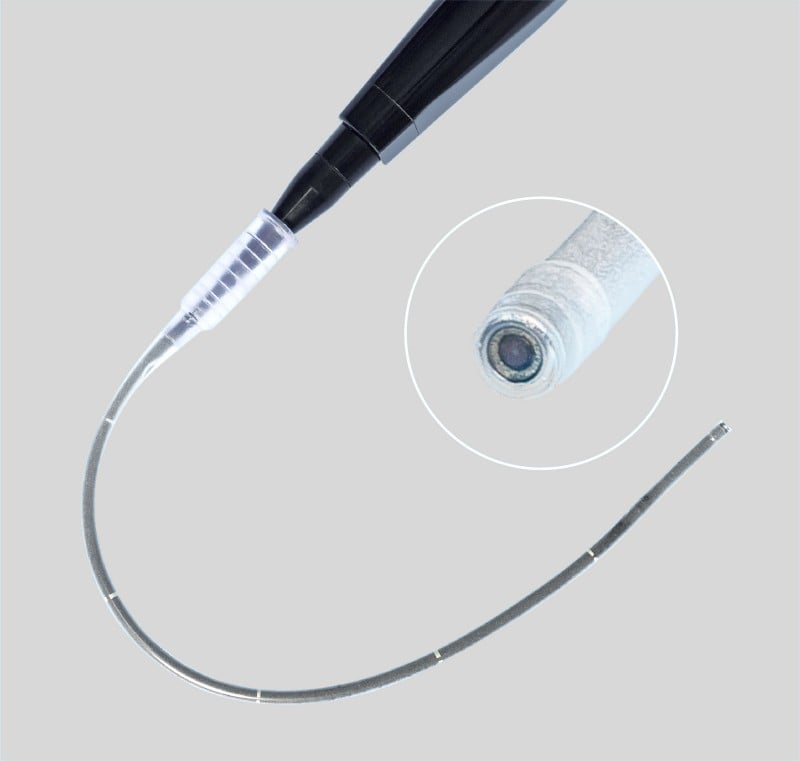
The complexity of endoscopic instruments creates unique vulnerability to environmental contamination. Traditional storage methods leave delicate lens systems, channels, and articulated components exposed to dust, moisture, and pathogens. Endo covers provide targeted protection that addresses these specific contamination vectors, transforming how healthcare organizations approach instrument safety. By understanding the exact challenges endo covers resolve, facilities can make informed decisions about contamination control strategies that reduce infection rates and improve operational efficiency.
Understanding Contamination Exposure Points
Environmental Contamination During Storage and Transport
Endoscopes and related instruments spend significant time outside active use, during which they are highly vulnerable to environmental contamination. Storage shelves, transport carts, and interim holding areas expose instruments to airborne particles, moisture, and microorganisms that can compromise sterility. Endo covers create a physical barrier that prevents direct contact between the instrument surface and ambient contaminants. This protection is particularly critical in busy surgical centers where instruments move frequently between storage, sterilization, and clinical use areas.
The challenge intensifies when considering reusable instruments that undergo multiple sterilization cycles. Each handling cycle introduces new contamination risks, and endo covers reduce the frequency of repeat processing by maintaining protection between procedures. By minimizing unnecessary re-sterilization triggered by environmental exposure, endo covers help healthcare facilities optimize sterilization resources while maintaining rigorous safety standards. The cost-benefit advantage of endo covers becomes apparent when calculating sterilization cycles saved through effective contamination prevention.
Cross-Contamination Prevention Between Cases
Case-to-case transition periods represent critical contamination windows where endo covers provide essential protection. Between patient procedures, instruments require careful handling, cleaning, and preparation before the next use. Without adequate protection, instruments can contact surfaces, hands, or other potentially contaminated items that introduce pathogens. Endo covers create a sealed environment that isolates the instrument surface from transient contamination during these vulnerable transition periods.
Healthcare-associated infections often trace back to contamination events during instrument handling rather than failures in sterilization processes themselves. Endo covers significantly reduce handling-related contamination by minimizing direct contact and environmental exposure. This protection is especially valuable in high-volume facilities where instruments move rapidly between cases. By establishing a reliable contamination barrier, endo covers help break transmission chains that could otherwise spread pathogens to patients and staff.
Addressing Specific Instrument Vulnerabilities
Protection of Optical and Channel Systems
Endoscopic instruments contain intricate optical systems and internal channels that are inherently difficult to protect once assembled and cleaned. The lens systems attract dust and moisture, while internal channels harbor moisture that promotes microbial growth if not properly isolated. Endo covers seal these vulnerable areas, preventing particulate matter and moisture infiltration between cleaning and sterilization steps. This targeted protection addresses contamination sources that standard storage methods fail to prevent.
The internal channels of endoscopes represent particular contamination challenges because they are inaccessible for routine visual inspection and cleaning validation. Moisture trapped in these channels creates an ideal environment for biofilm formation and microbial colonization. Endo covers maintain a dry, protected microenvironment around the instrument, reducing moisture accumulation and microbial proliferation. Healthcare facilities using endo covers report lower rates of culture-positive instruments during validation testing, indicating superior contamination control compared to unprotected storage methods.
Maintaining Instrument Integrity and Function
Beyond infection prevention, endo covers protect instruments from physical contamination that compromises function and image quality. Dust particles lodged on optical surfaces degrade visualization during procedures, potentially affecting diagnostic accuracy and patient safety. Protective coatings and flexible materials used in endo covers prevent contact between sensitive surfaces and environmental debris. This functional protection extends instrument lifespan by reducing cleaning intensity required to restore optical clarity before each use.
The durability advantage of endo covers becomes apparent when considering instrument replacement costs in healthcare settings. By preventing environmental contamination and reducing physical stress during handling, endo covers preserve instrument condition across multiple sterilization cycles. Facilities that implement systematic endo covers protocols report extended instrument lifespan and lower total cost of ownership compared to institutions relying on standard storage methods. This economic benefit reinforces the infection prevention justification for adopting endo covers systematically.
Optimizing Contamination Control Workflows
Integration Into Sterilization and Storage Protocols
Implementing endo covers requires coordination with existing sterilization and storage workflows to maximize contamination prevention benefits. Facilities must establish clear protocols specifying when endo covers are applied, how they interact with sterilization methods, and documented removal procedures. The flexibility of endo covers allows integration into various sterilization processes, including steam, gas, and low-temperature methods. Standardized protocols ensure consistent contamination protection across all facility locations and personnel.
Training staff on proper endo covers application is essential for achieving contamination control objectives. Personnel must understand that endo covers represent one component of comprehensive contamination prevention strategy rather than a substitute for proper cleaning and sterilization. When applied correctly, endo covers complement validated sterilization processes and storage practices. Facilities combining endo covers with enhanced cleaning protocols and environmental controls achieve superior contamination outcomes compared to single-intervention approaches.
Compliance and Documentation Benefits
Regulatory agencies and accreditation bodies increasingly emphasize documented evidence of contamination prevention measures. Endo covers provide visible, auditable contamination barriers that demonstrate institutional commitment to infection prevention. Documentation of endo covers use becomes part of the quality assurance record, supporting compliance with infection prevention standards and regulatory requirements. Facilities utilizing endo covers can produce clear evidence of systematic contamination mitigation efforts during compliance audits.
The traceable nature of endo covers facilitates root cause analysis during contamination events or patient safety investigations. When contamination incidents occur, documented use of endo covers helps investigators identify whether contamination occurred despite protective measures or during periods when protective barriers were not applied. This granular documentation capability supports continuous quality improvement and evidence-based decision-making regarding contamination prevention investments. Healthcare organizations leveraging endo covers data enhance their overall safety culture and regulatory readiness.
FAQ
What specific contamination challenges do endo covers address that other storage methods do not?
Endo covers create sealed barriers that prevent airborne particles, moisture, and pathogens from directly contacting instrument surfaces during storage and transport. Unlike open storage methods or standard protective cases, endo covers are specifically engineered to fit endoscopic instruments and protect intricate optical systems and internal channels. They address the unique vulnerability window between cleaning, sterilization, and clinical use where instruments are most exposed to environmental contamination. This targeted protection directly reduces cross-contamination incidents that contribute to healthcare-associated infections.
How do endo covers contribute to reducing sterilization cycles and operational costs?
By minimizing contamination exposure between procedures, endo covers reduce unnecessary re-sterilization triggered by environmental contamination events. Instruments protected by endo covers require fewer repeat sterilization cycles, which decreases sterilization processing time and reduces chemical and energy consumption. The extended instrument lifespan achieved through endo covers protection lowers replacement costs and capital equipment expenditures. Facilities implementing systematic endo covers protocols typically realize measurable cost savings within the first year through reduced sterilization cycles and extended instrument lifecycle.
Are endo covers compatible with all sterilization methods used in healthcare facilities?
Most modern endo covers are designed to be compatible with standard sterilization methods including steam sterilization, gas sterilization, and low-temperature hydrogen peroxide systems. However, facilities should verify compatibility between specific endo covers products and their validated sterilization processes before implementation. Sterilization compatibility is crucial because improper combinations can compromise either the protective function of endo covers or the effectiveness of the sterilization process. Healthcare facilities should consult product specifications and validate integration with their sterilization protocols before implementing endo covers as standard practice.