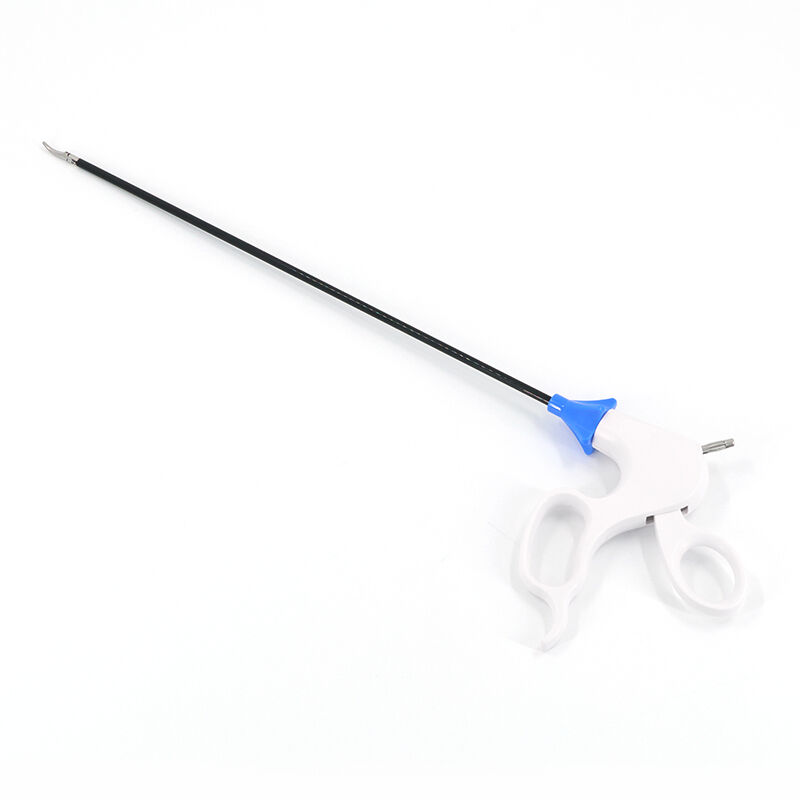
skin hook instrument
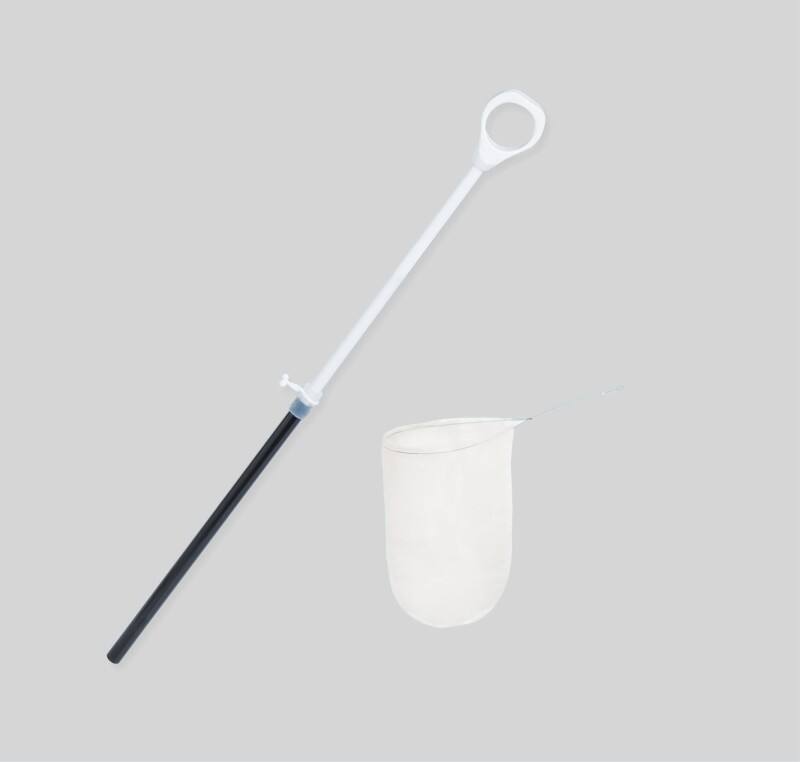
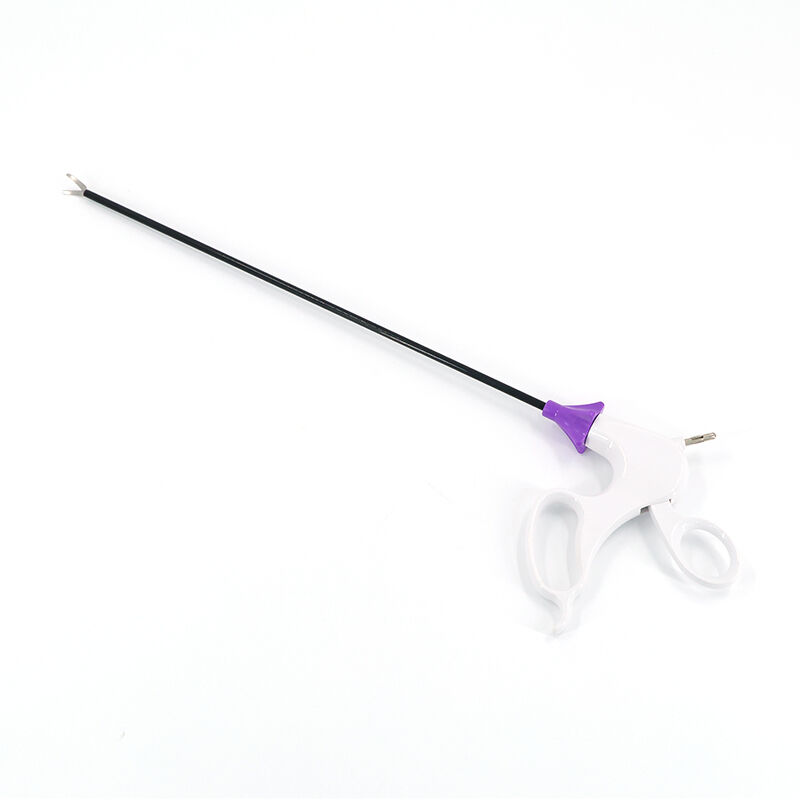
The skin hook instrument represents a fundamental surgical tool designed for precise tissue manipulation and retraction during medical procedures. This essential device features a sharp, curved tip that allows surgeons to grasp and hold skin edges with minimal trauma to surrounding tissues. The skin hook instrument comes in various sizes and configurations, making it adaptable to different surgical specialties and patient needs. Its primary function involves creating controlled tension on tissue surfaces, enabling surgeons to achieve optimal visualization of the operative field while maintaining sterile conditions throughout procedures. The technological design of the skin hook instrument incorporates high-grade stainless steel construction, ensuring durability and resistance to corrosion from repeated sterilization cycles. The ergonomic handle provides comfortable grip and precise control, reducing hand fatigue during extended surgical sessions. Modern versions of the skin hook instrument often feature specialized coatings that enhance grip and reduce slippage, improving overall surgical safety. Applications for this versatile tool span numerous medical specialties, including plastic surgery, dermatology, general surgery, and emergency medicine. Surgeons frequently employ the skin hook instrument during wound closure procedures, skin grafting operations, and cosmetic surgeries where precise tissue handling is paramount. The instrument's ability to provide gentle yet secure tissue retraction makes it invaluable for procedures requiring delicate manipulation of skin flaps or when working in confined anatomical spaces. Emergency departments utilize the skin hook instrument for trauma management, particularly when treating lacerations or performing urgent surgical interventions. The device's compact size and lightweight design facilitate easy storage and transport, making it an essential component of mobile surgical kits and emergency medical supplies. Quality skin hook instruments undergo rigorous testing to ensure consistent performance and reliability in clinical settings.

 EN
EN