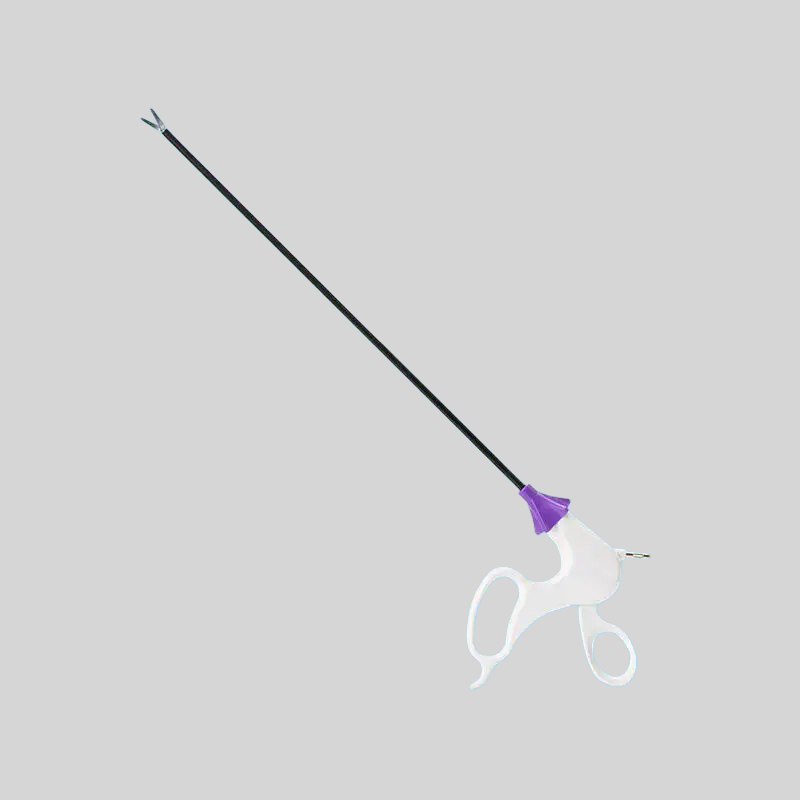
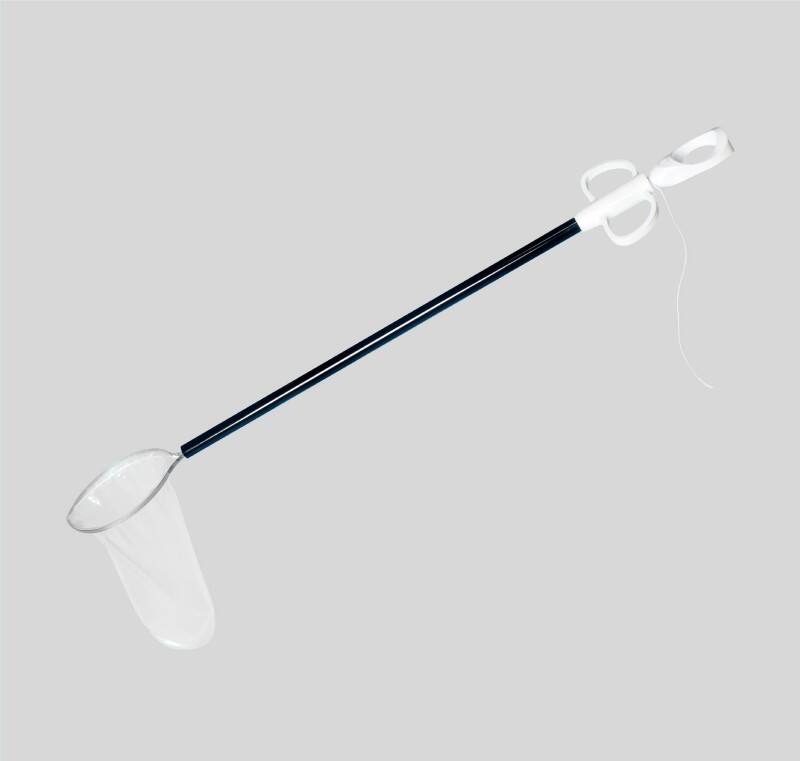
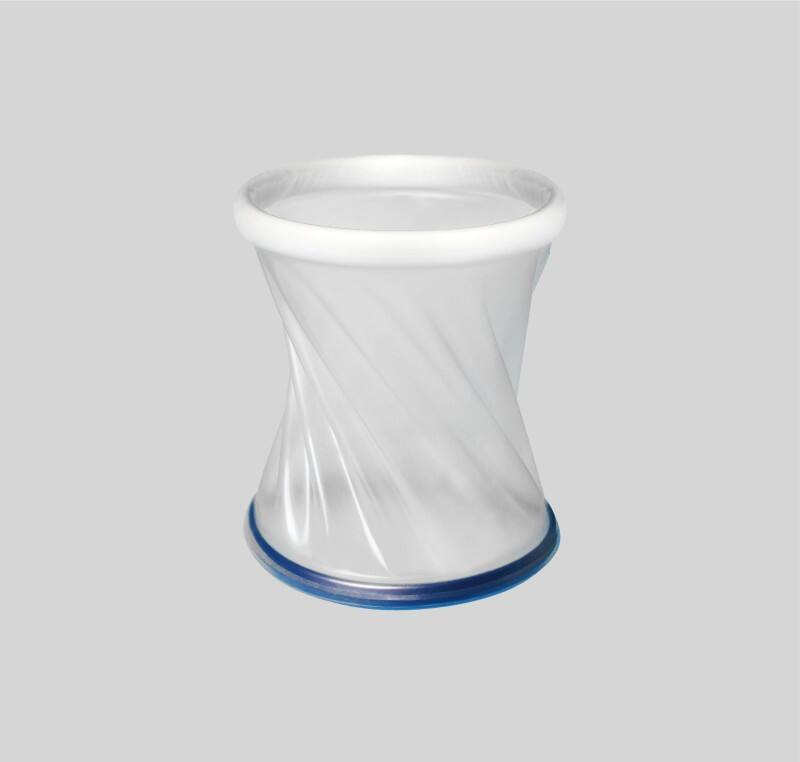
robotic surgery protective cover
The robotic surgery protective cover represents a revolutionary advancement in surgical technology, designed to enhance sterility and precision during minimally invasive procedures. This specialized medical device serves as a critical barrier system that maintains the sterile field while allowing robotic surgical instruments to operate with maximum efficiency. The robotic surgery protective cover incorporates advanced materials science and engineering principles to create an optimal environment for complex surgical procedures. Modern healthcare facilities increasingly rely on this protective technology to ensure patient safety and surgical success rates. The cover system features multi-layered construction using medical-grade materials that resist punctures, tears, and fluid penetration. These materials undergo rigorous testing to meet international medical device standards and regulatory requirements. The design integrates seamlessly with various robotic surgical platforms, providing universal compatibility across different manufacturers and models. Key technological features include antimicrobial surface treatments that actively reduce bacterial colonization and contamination risks. The cover incorporates transparent viewing windows manufactured from optical-grade materials, ensuring surgeons maintain clear visualization throughout procedures. Advanced sealing mechanisms prevent air leakage and maintain consistent pressure differentials within the surgical field. The robotic surgery protective cover utilizes electrostatic dissipative materials to prevent static buildup that could interfere with sensitive electronic components. Smart sensor integration monitors environmental conditions and alerts surgical teams to potential breaches or system anomalies. Applications span multiple surgical specialties including cardiac surgery, orthopedics, neurosurgery, and general surgery procedures. The system accommodates various robotic platforms such as da Vinci surgical systems, ROSA robotic systems, and emerging autonomous surgical technologies. Installation procedures follow standardized protocols that minimize setup time while ensuring proper deployment and functionality verification.

 EN
EN