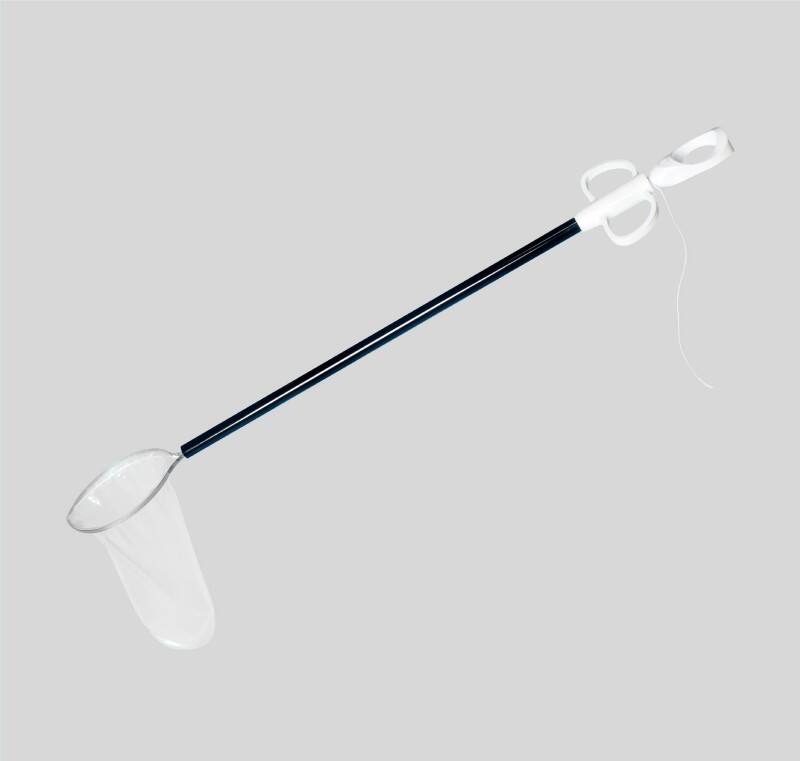
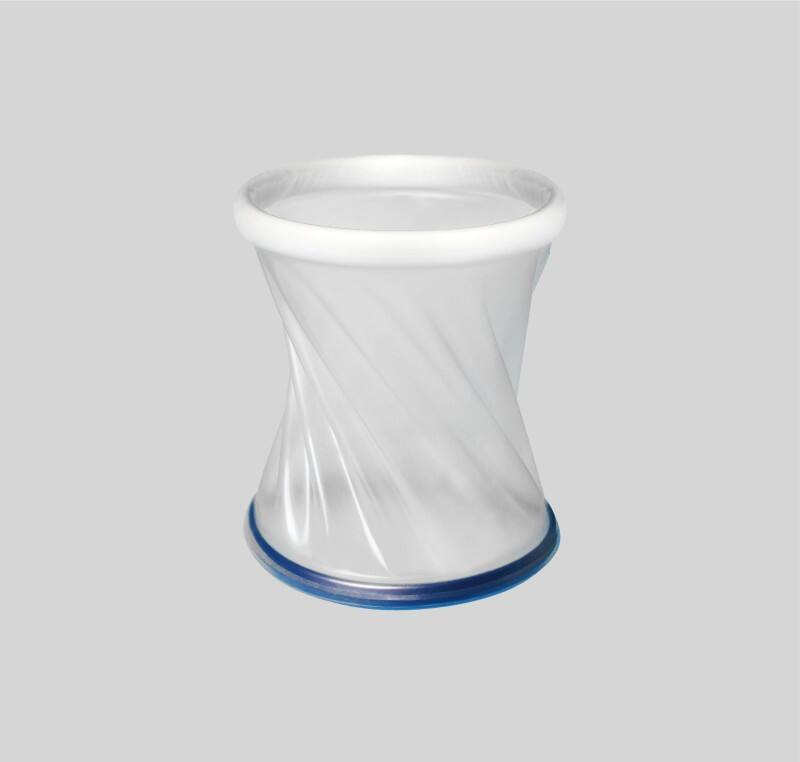
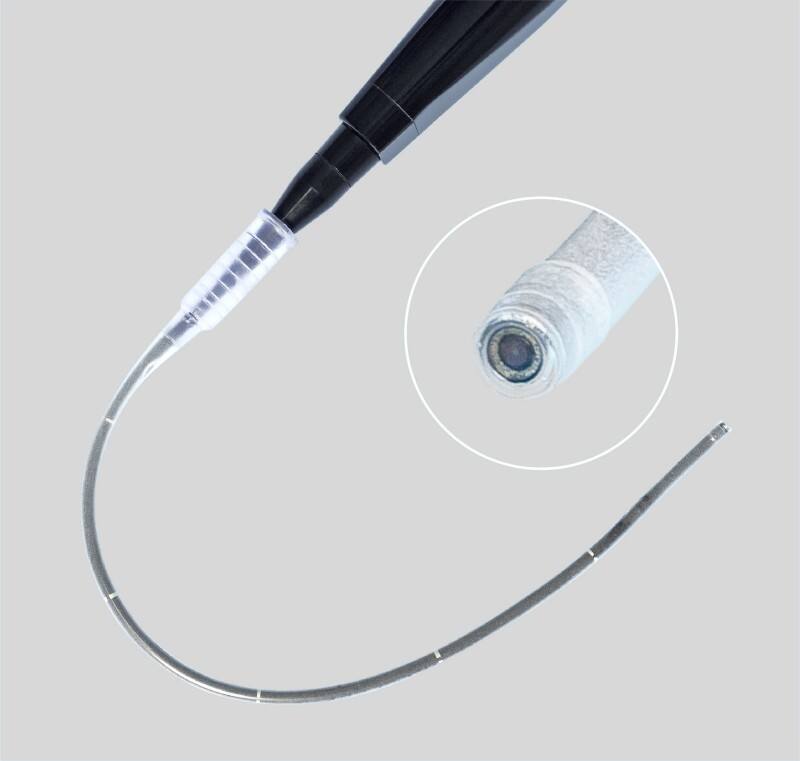
pressure bag medical
A pressure bag medical represents a critical piece of equipment in modern healthcare facilities, serving as an essential tool for rapid fluid administration and blood transfusion procedures. This specialized medical device consists of a transparent, inflatable chamber designed to apply external pressure to IV bags, blood bags, or other fluid containers, thereby accelerating the delivery rate of fluids into patients who require immediate volume replacement or medication administration. The pressure bag medical operates on a simple yet effective principle, utilizing controlled pneumatic pressure to compress fluid containers and force their contents through IV lines at rates significantly faster than gravity-fed systems alone can achieve. Healthcare professionals rely on these devices during emergency situations, surgical procedures, trauma care, and critical care scenarios where rapid fluid resuscitation becomes paramount to patient survival. The construction of a pressure bag medical typically features durable, medical-grade materials that can withstand repeated sterilization cycles while maintaining optimal performance standards. Most units incorporate easy-to-read pressure gauges that allow medical staff to monitor and adjust compression levels according to specific clinical requirements and patient needs. The transparent design enables visual inspection of fluid levels and flow rates, ensuring continuous monitoring throughout treatment procedures. Modern pressure bag medical systems often include safety mechanisms such as pressure relief valves and maximum pressure indicators to prevent over-pressurization that could potentially damage IV lines or cause patient harm. These devices accommodate various container sizes, from standard 500ml IV bags to larger volume containers used in extensive fluid replacement protocols. The versatility of pressure bag medical equipment makes it indispensable across multiple medical specialties, including emergency medicine, anesthesiology, surgery, intensive care, and trauma units. Healthcare facilities worldwide depend on these reliable systems to deliver life-saving treatments efficiently and safely to patients requiring immediate medical intervention and fluid management.


 EN
EN