Operational Efficiency and Cost-Effective Healthcare Solutions
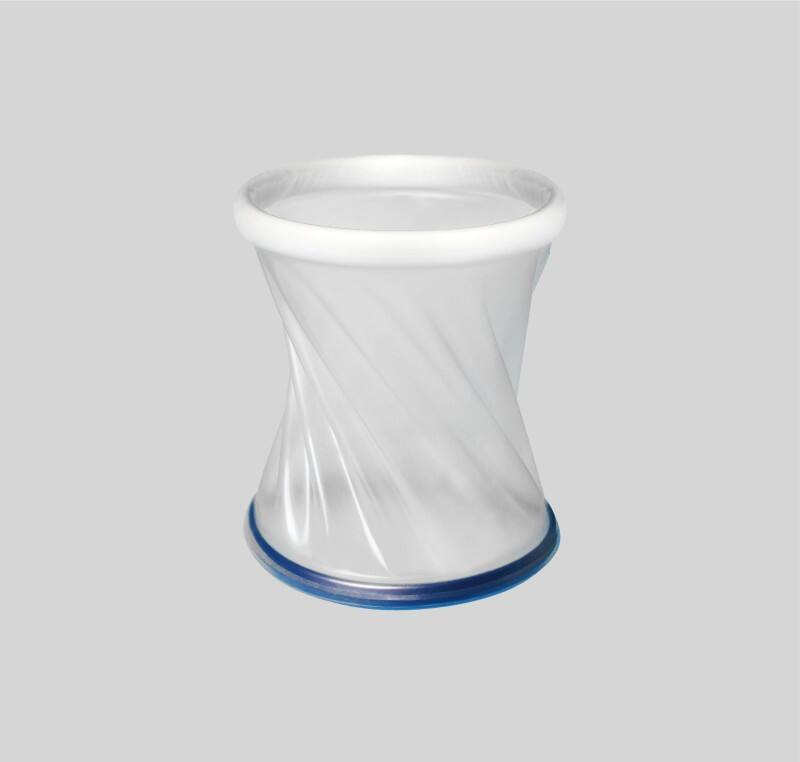
The arterial pressure bag delivers exceptional operational efficiency that transforms healthcare facility workflows while providing substantial cost savings through reduced complications, improved resource utilization, and streamlined clinical procedures. This efficiency stems from the device's ability to maintain consistent arterial line function with minimal staff intervention, freeing nursing personnel to focus on direct patient care activities rather than equipment maintenance tasks. The arterial pressure bag eliminates the time-consuming manual flushing procedures required by gravity-fed systems, reducing nursing workload by approximately sixty percent compared to traditional methods. Automated pressure maintenance reduces the skill level required for arterial line management, enabling facilities to optimize staff deployment and reduce training costs associated with specialized equipment operation. The device's reliability minimizes catheter replacement frequency, reducing material costs, procedure time, and patient discomfort associated with repeated arterial access attempts. Consistent performance reduces the need for backup monitoring systems and redundant equipment, lowering capital equipment requirements and maintenance overhead. The arterial pressure bag supports multiple patient monitoring simultaneously through shared pressure sources, maximizing equipment utilization and reducing per-patient costs in busy clinical environments. Standardized operation across different monitoring systems eliminates the need for multiple device types, simplifying procurement processes and reducing inventory complexity. Energy-independent operation reduces facility power consumption and eliminates concerns about electrical system capacity or reliability during peak demand periods. The device's durability extends service life significantly beyond alternative solutions, providing superior return on investment through reduced replacement frequency and lower total ownership costs. Maintenance requirements are minimal due to robust construction and reliable components, reducing service costs and equipment downtime that could disrupt patient care. The arterial pressure bag facilitates faster patient turnover in intensive care units by enabling rapid monitoring setup and reliable function throughout patient stays. Quality improvement initiatives benefit from consistent monitoring data that supports better clinical decision-making and reduced complications, contributing to improved facility metrics and reimbursement rates. These operational advantages combine to create comprehensive healthcare value that benefits patients, staff, and healthcare organizations through improved efficiency, reduced costs, and enhanced care quality.
 EN
EN