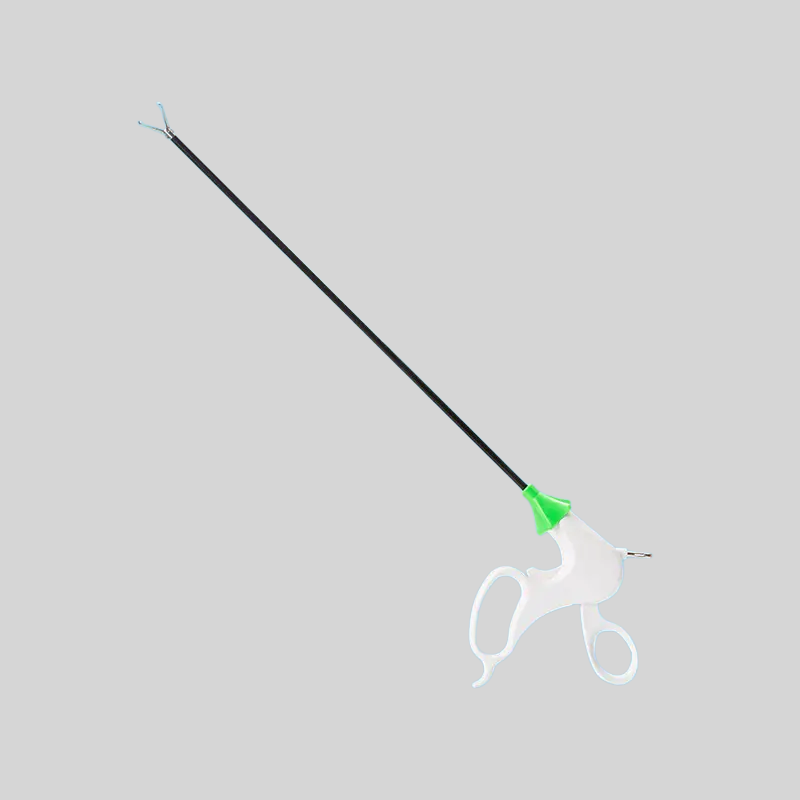
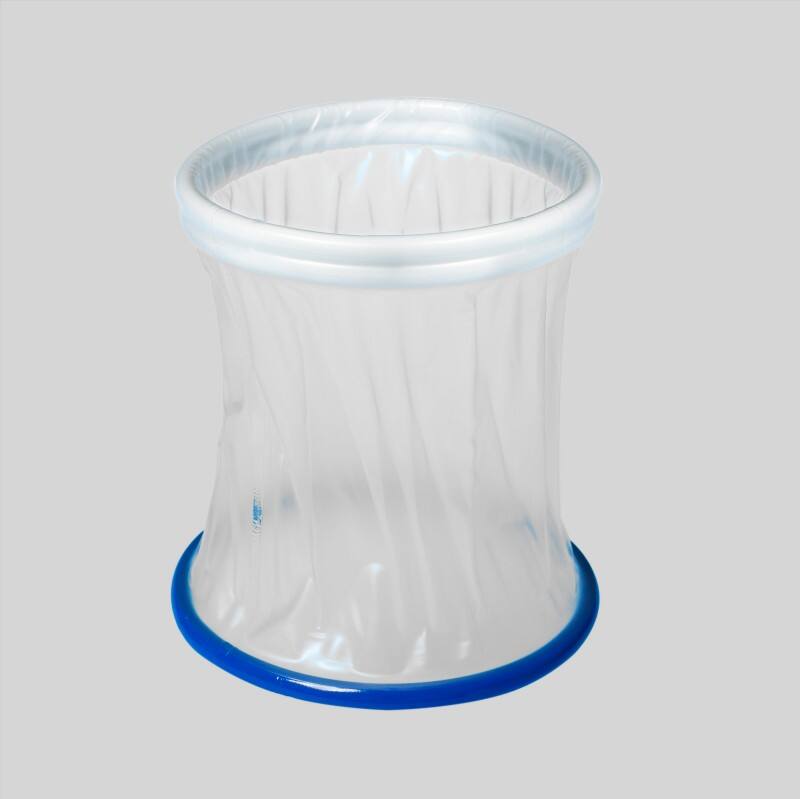
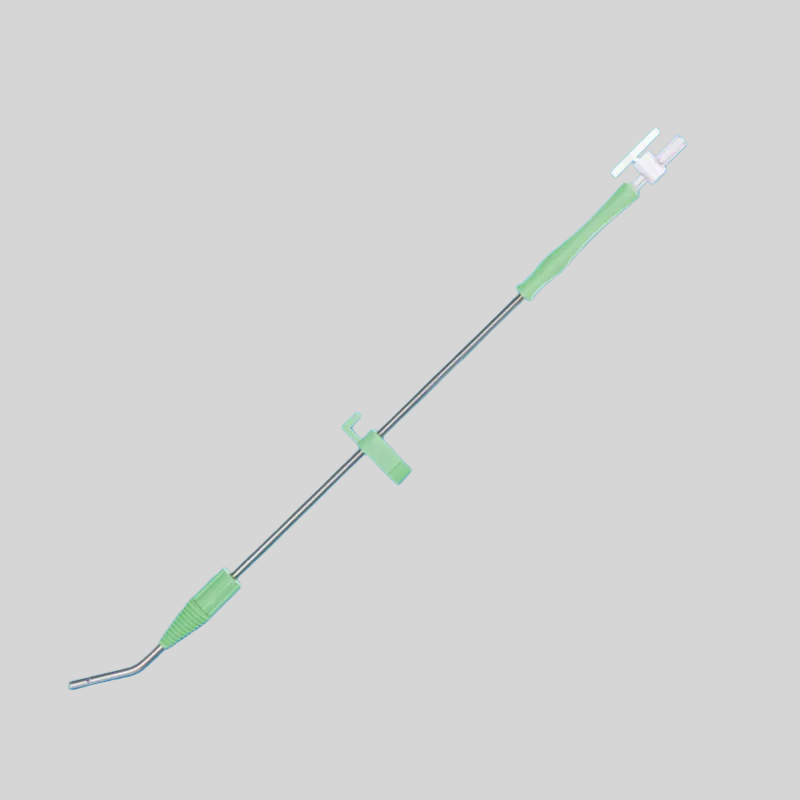
laparoscopic right angle dissector
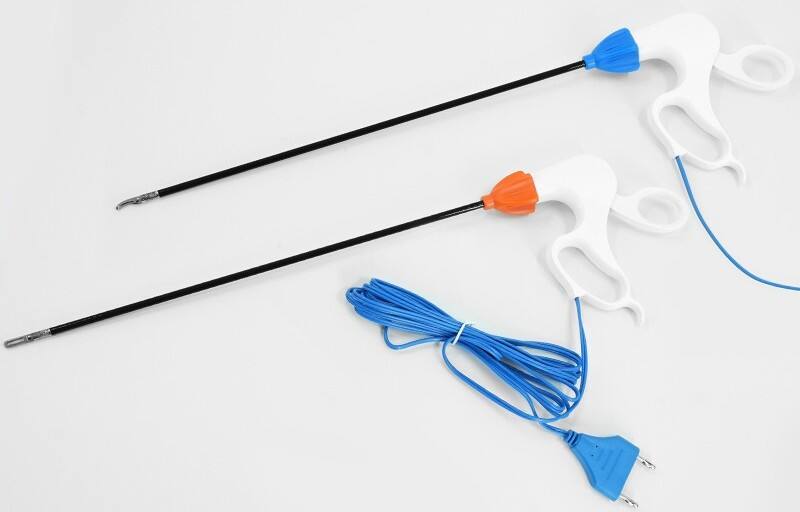
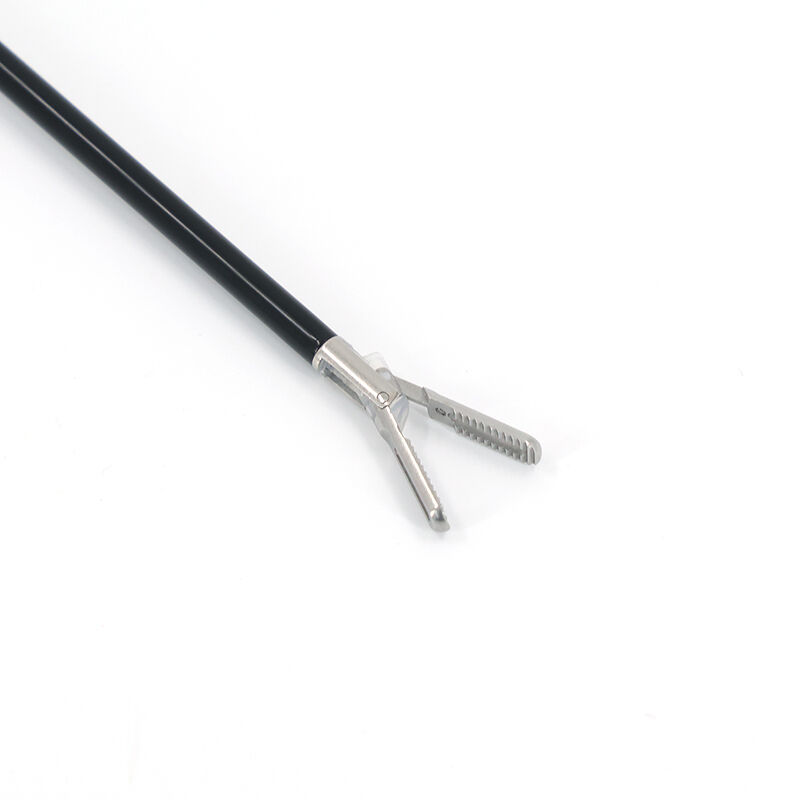
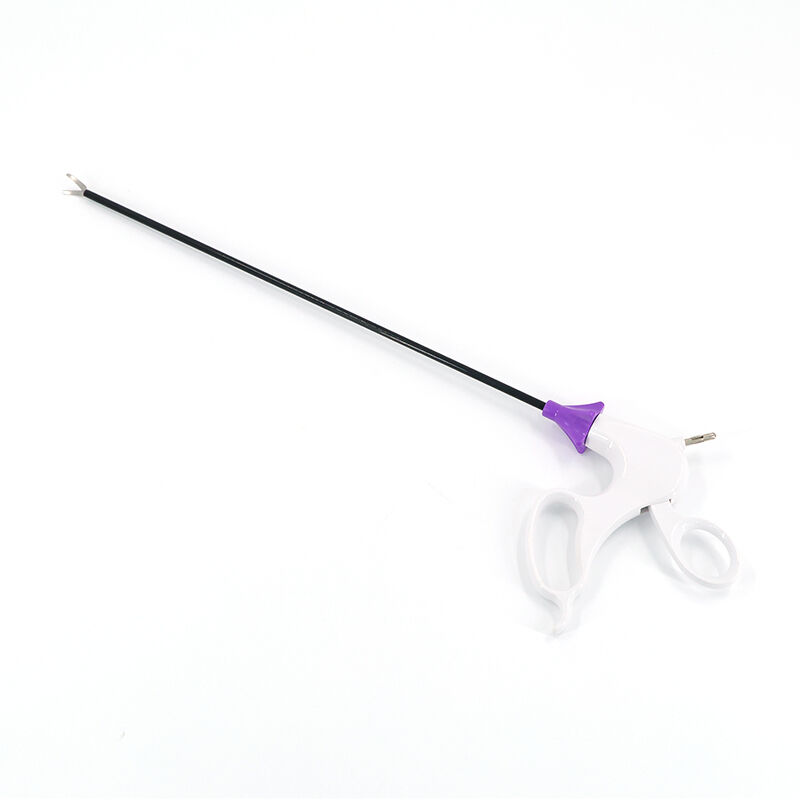
The laparoscopic right angle dissector represents a fundamental surgical instrument designed specifically for minimally invasive procedures. This specialized tool features a precisely angled tip that enables surgeons to access confined anatomical spaces during laparoscopic operations with enhanced precision and control. The instrument's distinctive right-angled configuration allows for optimal tissue manipulation and dissection in areas that would otherwise remain challenging to reach using conventional straight instruments. Modern laparoscopic right angle dissectors incorporate advanced materials and engineering principles to deliver superior performance in surgical environments. The main functions of this instrument encompass tissue separation, blunt dissection, and careful manipulation of delicate anatomical structures during various laparoscopic procedures. Surgeons utilize the laparoscopic right angle dissector for creating tissue planes, retracting organs, and performing careful dissection work around critical structures such as blood vessels and nerves. The technological features of contemporary laparoscopic right angle dissectors include ergonomic handle designs that reduce surgeon fatigue during extended procedures. The instrument shaft is manufactured from high-grade stainless steel or titanium alloys, ensuring durability and resistance to corrosion from repeated sterilization cycles. The angled tip is precisely machined to maintain consistent geometry and provide reliable performance throughout the instrument's lifespan. Many models feature insulated shafts to prevent electrical interference when used in conjunction with electrosurgical devices. The applications for laparoscopic right angle dissectors span numerous surgical specialties including general surgery, gynecology, urology, and thoracic surgery. In general surgery, these instruments prove invaluable during cholecystectomies, hernia repairs, and appendectomies. Gynecologists rely on laparoscopic right angle dissectors for ovarian cyst removal, endometriosis treatment, and hysterectomies. Urological applications include prostatectomies and kidney surgeries, while thoracic surgeons employ these instruments during lung biopsies and other chest procedures. The versatility of the laparoscopic right angle dissector makes it an essential component of modern surgical instrument sets, contributing to improved patient outcomes through enhanced surgical precision and reduced invasiveness.



 EN
EN