laparoscopic dissectors
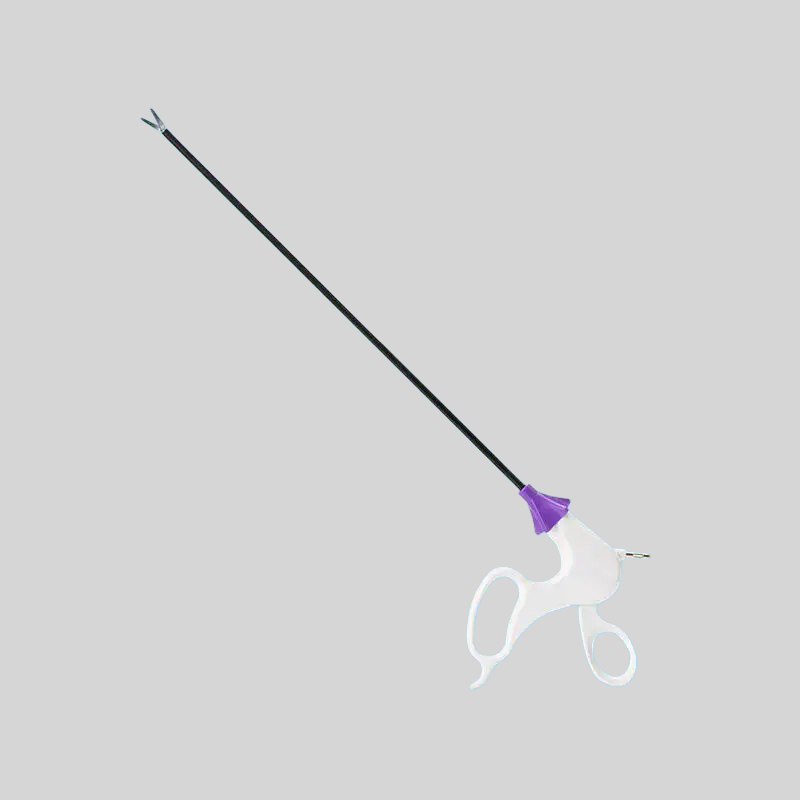
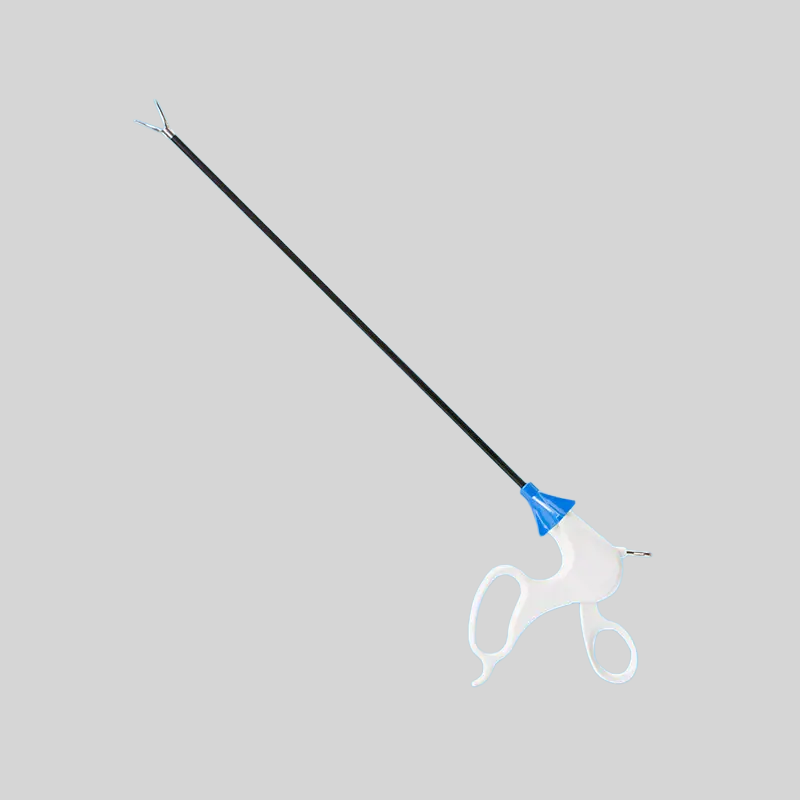
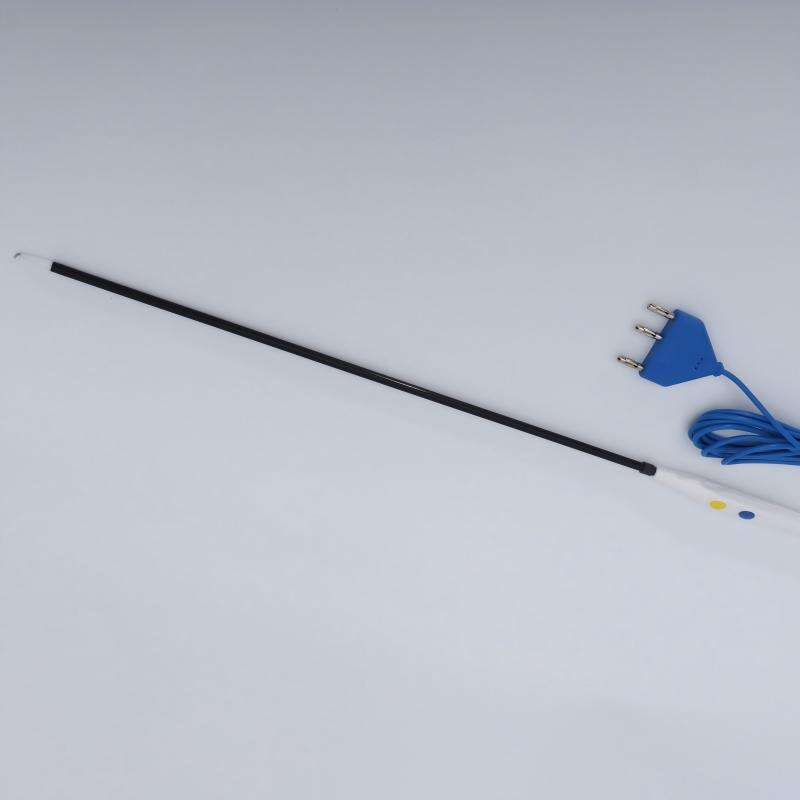
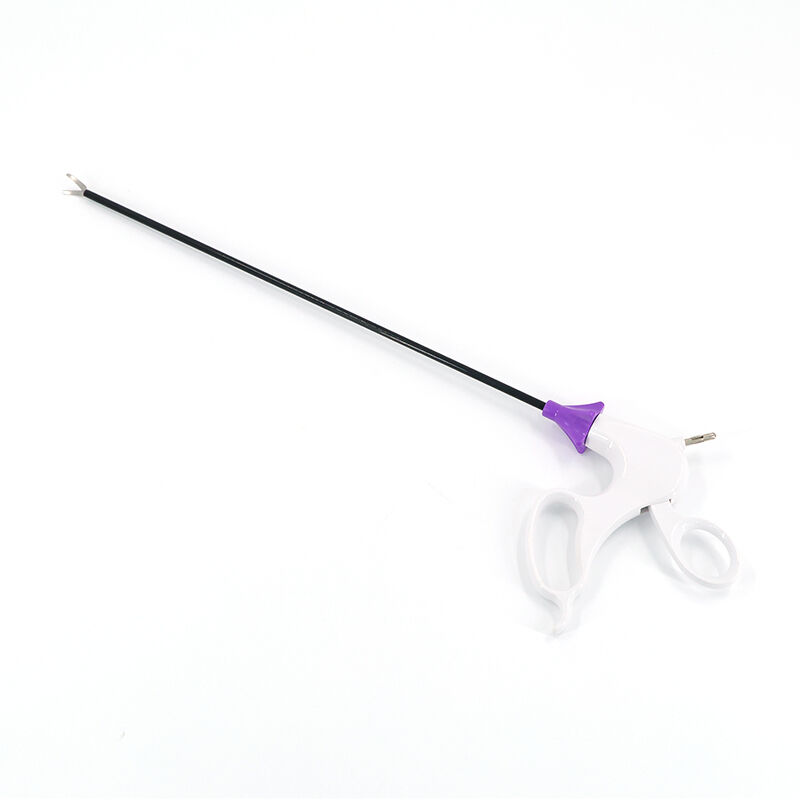
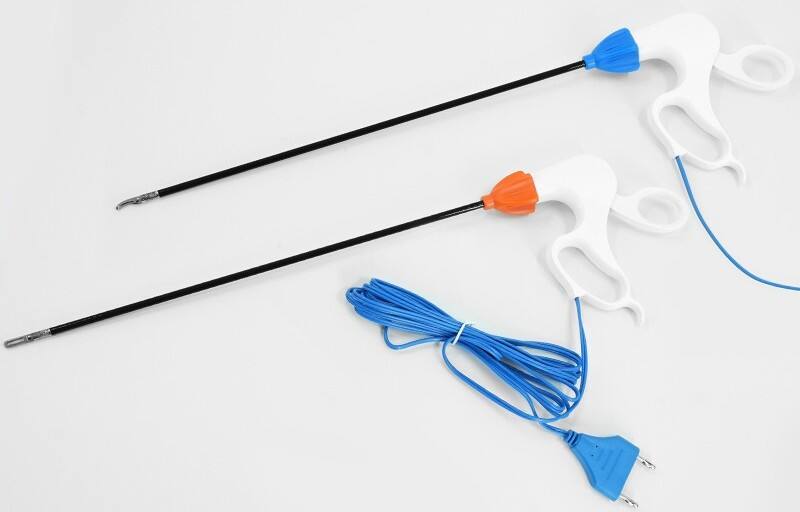
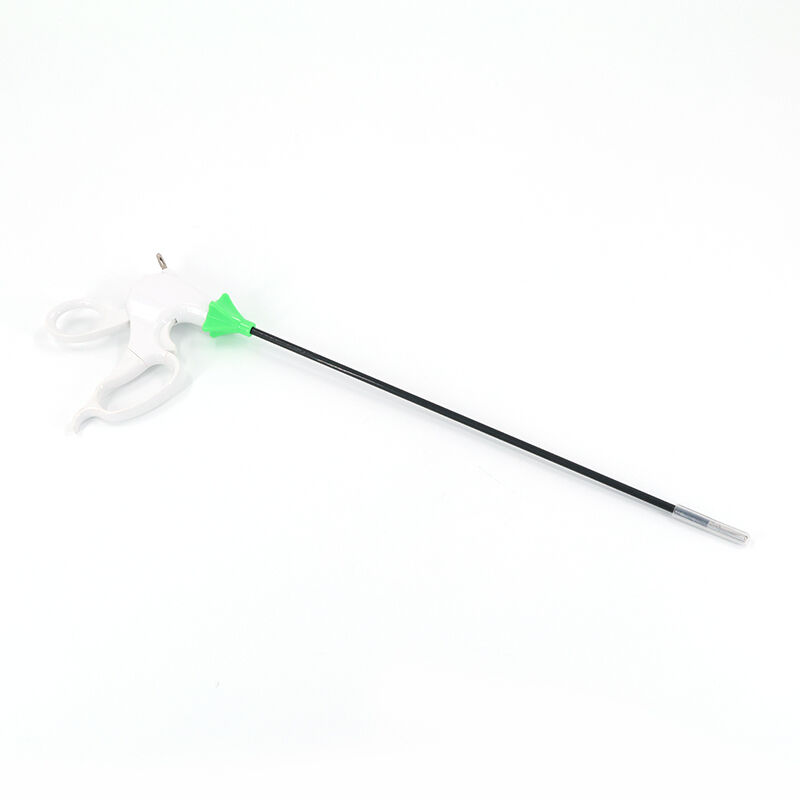
Laparoscopic dissectors represent essential surgical instruments designed specifically for minimally invasive procedures, enabling surgeons to perform precise tissue separation and manipulation through small incisions. These specialized tools combine cutting-edge engineering with ergonomic design to deliver exceptional performance during laparoscopic operations. The primary function of laparoscopic dissectors involves the careful separation of tissue planes, allowing surgeons to navigate anatomical structures with remarkable precision while maintaining optimal visualization of the surgical field. Modern laparoscopic dissectors incorporate advanced technological features including insulated shafts that prevent electrical interference, articulating tips that provide enhanced maneuverability, and specialized jaw configurations designed for specific tissue types. The instruments typically feature 5mm or 10mm diameter shafts, making them compatible with standard trocar systems used in laparoscopic procedures. Many contemporary models integrate electrocautery capabilities, combining mechanical dissection with thermal cutting and coagulation functions in a single instrument. The applications of laparoscopic dissectors span across multiple surgical specialties, including general surgery, gynecology, urology, and thoracic surgery. Surgeons utilize these instruments for procedures such as cholecystectomies, appendectomies, hernia repairs, and complex oncological resections. The versatility of laparoscopic dissectors makes them indispensable for both routine and complex surgical interventions. Advanced models feature rotatable handles that reduce surgeon fatigue during prolonged procedures, while maintaining precise control over tissue manipulation. The integration of high-definition cameras and LED illumination systems in some dissector models provides enhanced visualization capabilities, allowing surgeons to identify critical structures and avoid inadvertent injury. These instruments undergo rigorous sterilization processes and are manufactured from medical-grade materials that ensure biocompatibility and durability. The continuous evolution of laparoscopic dissector technology reflects the ongoing commitment to improving patient outcomes while reducing surgical complications and recovery times through innovative instrument design.

 EN
EN