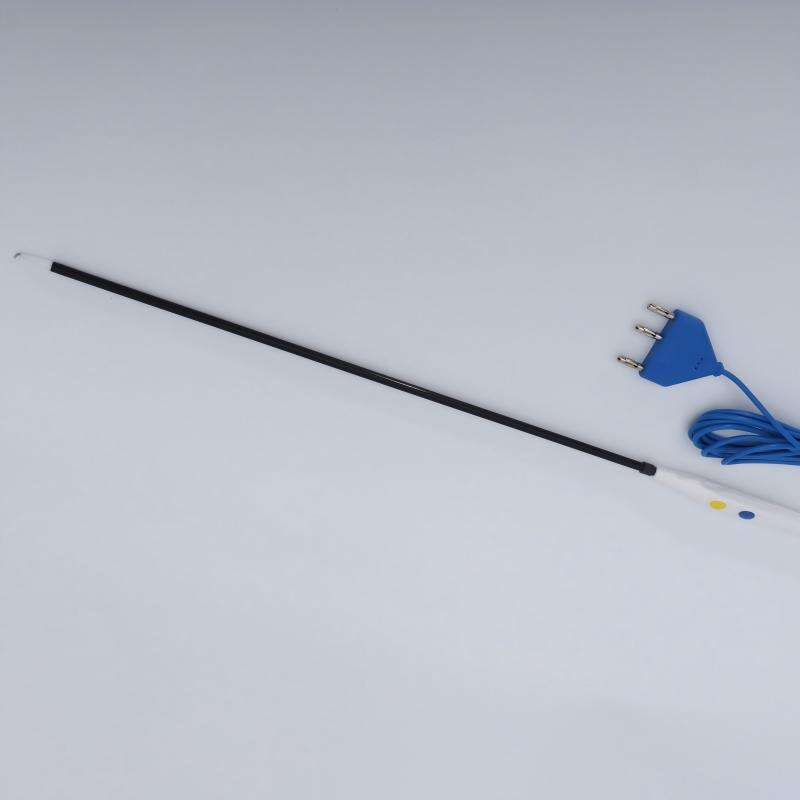
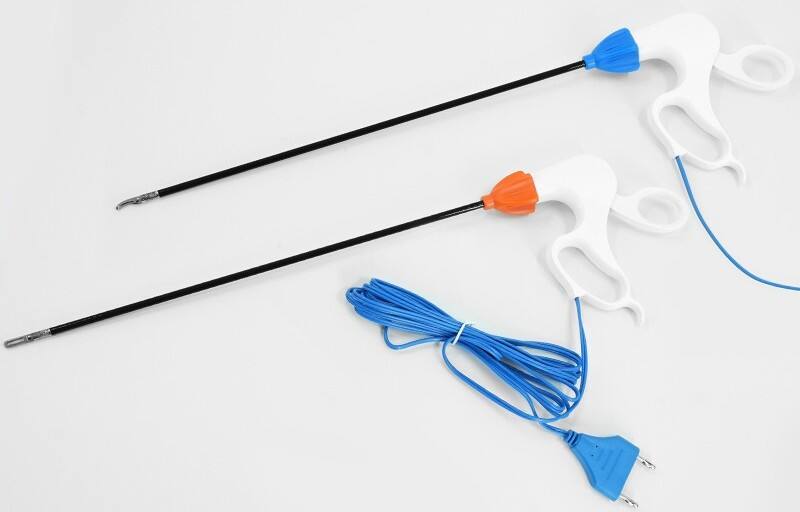
laparoscopic monopolar scissors
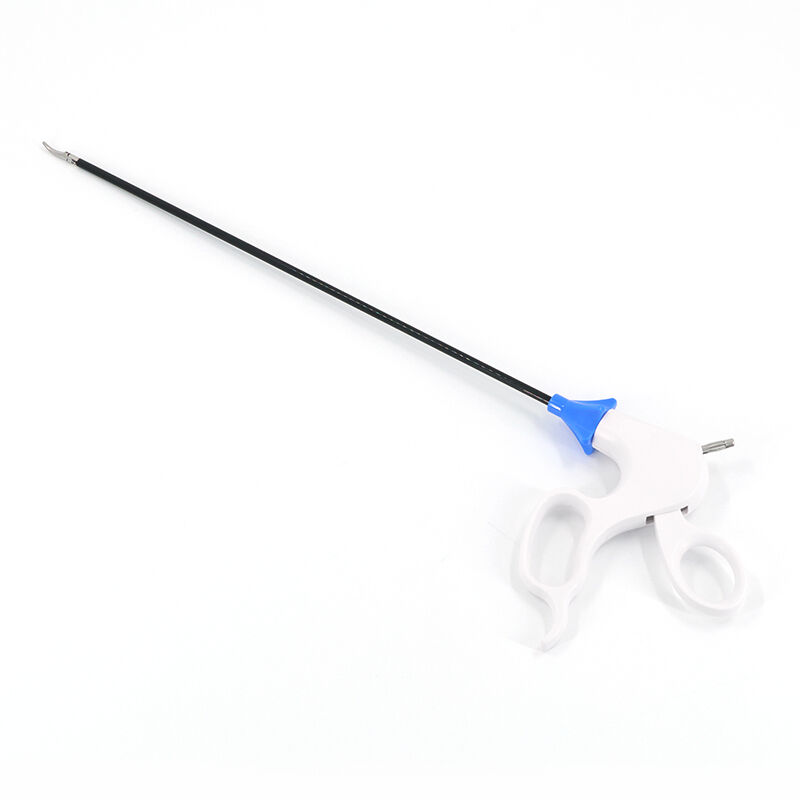
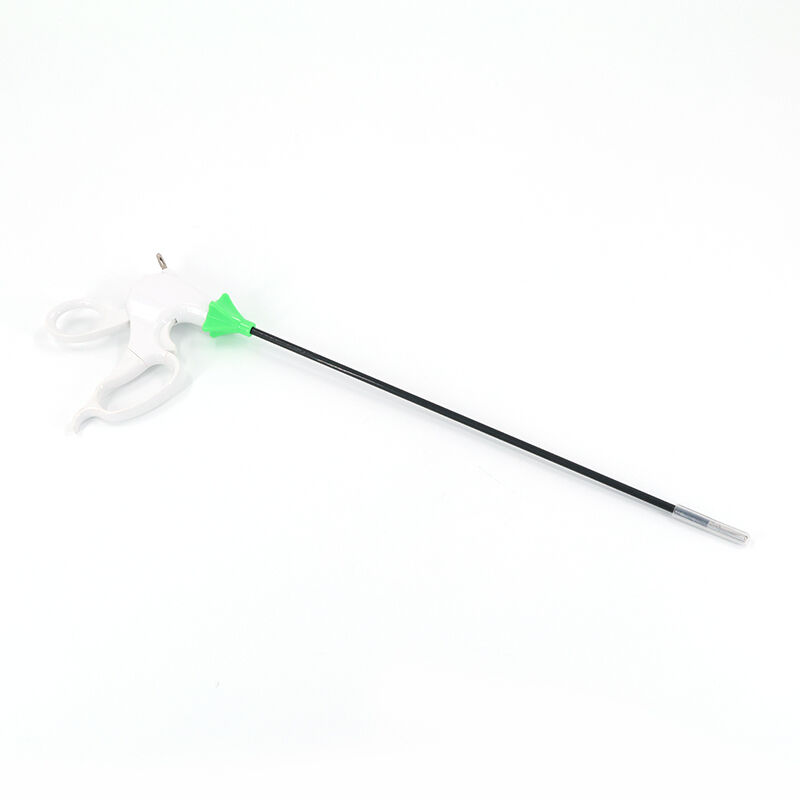
Laparoscopic monopolar scissors represent a fundamental surgical instrument in modern minimally invasive procedures, combining cutting precision with electrocautery capabilities. These specialized tools integrate sharp cutting blades with monopolar electrosurgical energy delivery, enabling surgeons to simultaneously cut tissue and achieve hemostasis during laparoscopic operations. The design incorporates a slender shaft suitable for insertion through small trocar ports, maintaining the minimally invasive approach that defines laparoscopic surgery. The main functions of laparoscopic monopolar scissors encompass tissue dissection, vessel coagulation, and controlled cutting of various anatomical structures. The electrocautery feature allows immediate sealing of blood vessels, reducing bleeding complications and improving surgical field visibility. The technological features include ergonomic handles designed for comfortable grip during extended procedures, precise blade alignment for accurate cutting, and reliable electrical connections ensuring consistent energy delivery. The insulation coating on the shaft prevents unwanted electrical discharge, protecting surrounding tissues from thermal injury. Advanced models feature enhanced blade materials that maintain sharpness throughout lengthy procedures while providing excellent conductivity for optimal electrocautery performance. Applications span across multiple surgical specialties including gynecology, general surgery, urology, and gastroenterology. In gynecological procedures, these instruments facilitate ovarian cystectomy, endometriosis treatment, and myomectomy. General surgeons utilize them for appendectomy, cholecystectomy, and hernia repairs. Urological applications include nephrectomy, prostatectomy, and bladder procedures. The versatility of laparoscopic monopolar scissors makes them indispensable for tissue manipulation, adhesion division, and organ mobilization. The combination of mechanical cutting action with simultaneous coagulation significantly enhances surgical efficiency while maintaining patient safety standards. These instruments contribute to reduced operative time, minimized blood loss, and improved post-operative recovery outcomes, establishing their essential role in contemporary surgical practice.




 EN
EN