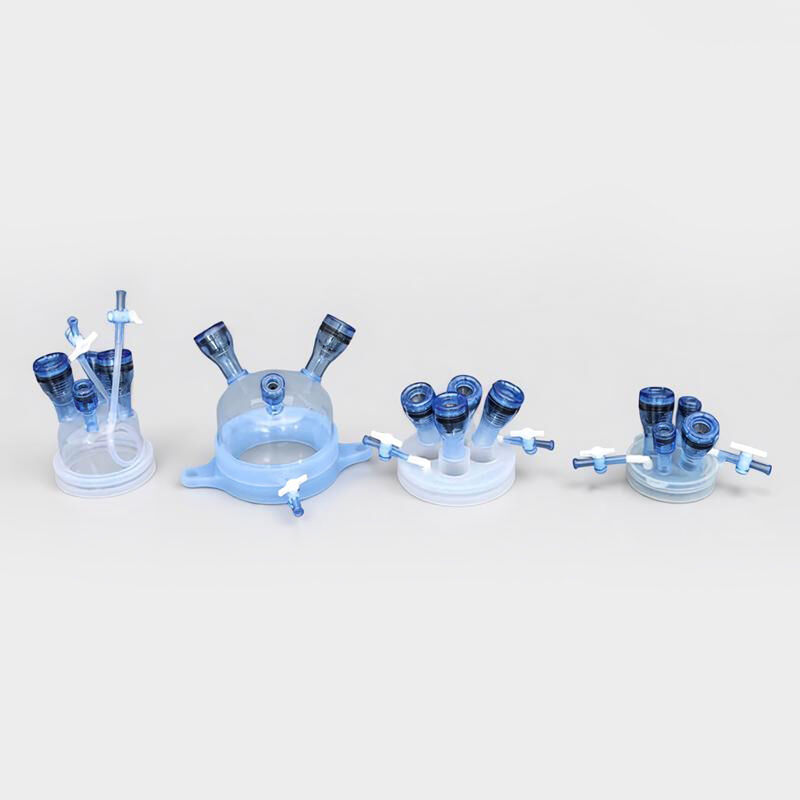
cerrahi robotik kol koruma kılıfı
Cerrahi robotik kol koruma örtüsü, robot destekli cerrahi işlemler sırasında steril koşulların korunmasında kritik bir ilerleme temsil eder. Bu özel koruyucu bariyer, modern ameliyathanelerde temel bir bileşen olarak görev yapar ve robotik cerrahi sistemler için kapsamlı koruma sağlarken aynı zamanda optimal işlevsellik ve güvenlik standartlarını garanti eder. Cerrahi robotik kol koruma örtüsü, robotik ekipman ile steril cerrahi alanı arasında geçirimsiz bir bariyer oluşturmak amacıyla titizlikle tasarlanmıştır; bu sayede kontaminasyon önlenirken robotik kolların sınırsız hareketi ve işlemi sağlanır. Bu örtüler, dayanıklılık ile esnekliği bir araya getiren gelişmiş malzemeler kullanılarak üretilir ve böylece uzun süreli işlemler boyunca cerrahi ortamların yoğun taleplerine dayanırken koruyucu bütünlüklerini korurlar. Cerrahi robotik kol koruma örtüsünün teknolojik özellikleri arasında özel mühürleme mekanizmaları, görsel izleme için şeffaf görüntüleme panelleri ve kolay montaj ve sökümü kolaylaştıran ergonomik tasarım unsurları yer alır. Örtü, bakteriyel büyüme ve kontaminasyonla aktif olarak mücadele eden antimikrobiyal tedaviler içerir; bu da fiziksel bariyerin ötesinde ek bir koruma katmanı sağlar. Cerrahi robotik kol koruma örtüsü içinde yer alan gelişmiş havalandırma sistemleri, steril koşulları korurken uygun hava sirkülasyonuna olanak tanır ve ekipmanın işlevselliğini ve cerrahi sterilitesini tehlikeye atabilecek nem ve ısı birikimini önler. Cerrahi robotik kol koruma örtüsünün uygulama alanları, kardiyovasküler cerrahi, nörocerrahi, ortopedik işlemler ve minimal invaziv operasyonlar olmak üzere çok sayıda cerrahi branşı kapsar. Bu örtüler, özellikle organ nakilleri, kanser cerrahisi ve hassas mikrocerrahi müdahaleler gibi steril koşulların korunmasının en üst düzeyde kritik olduğu karmaşık işlemlerde büyük önem taşır. Cerrahi robotik kol koruma örtüsü, hastaneler ve cerrahi merkezlerde dünya çapında vazgeçilmez bir unsur haline gelmiştir; bu örtüler, robotik cerrahi teknolojilerinin yaygınlaşmasını desteklerken aynı zamanda hasta güvenliğini ve prosedür başarısını da sağlar.

 EN
EN