tërheqës i lëkurës pa traumatizim
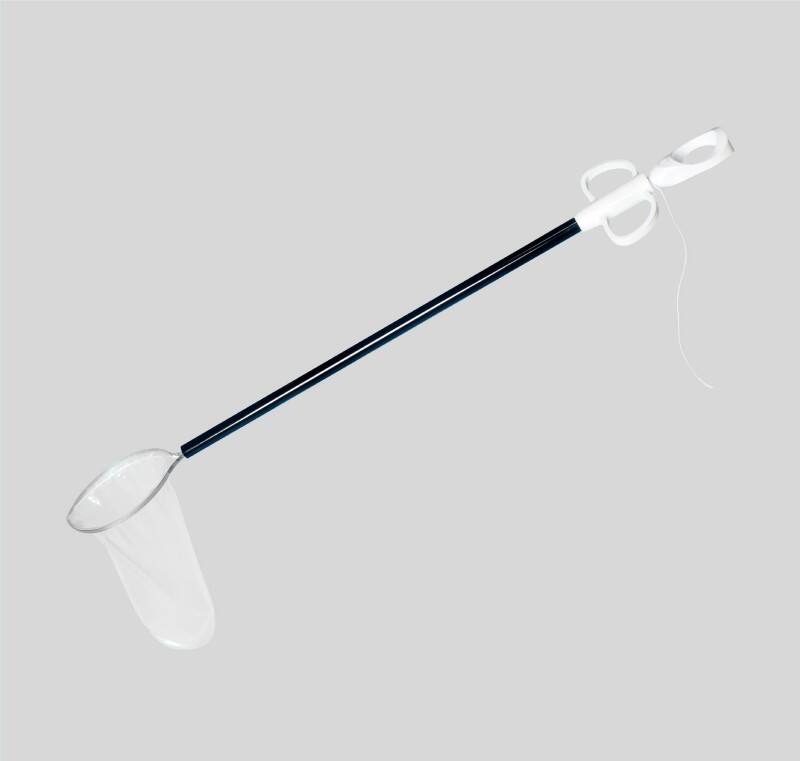
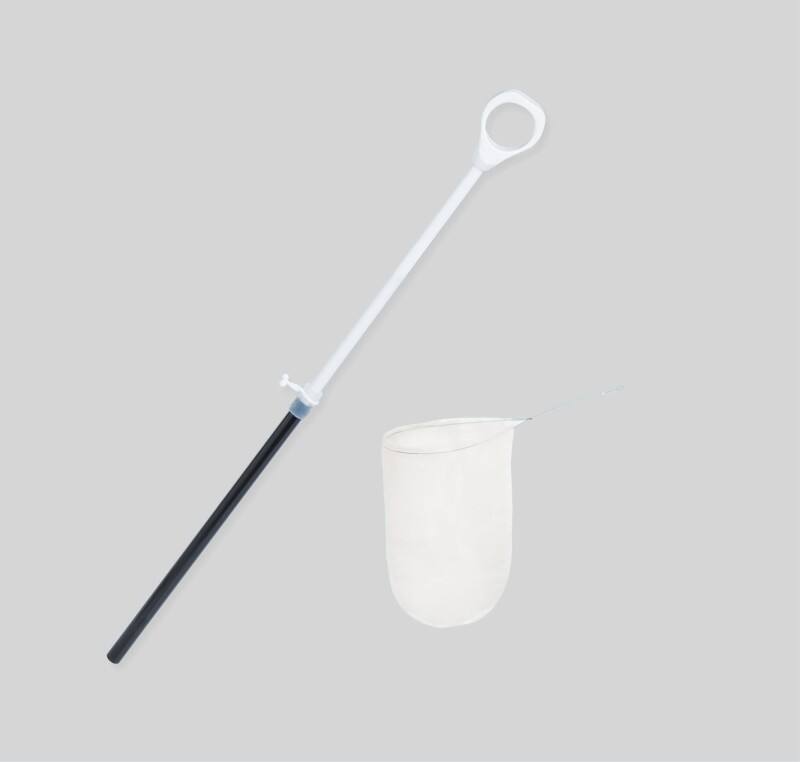
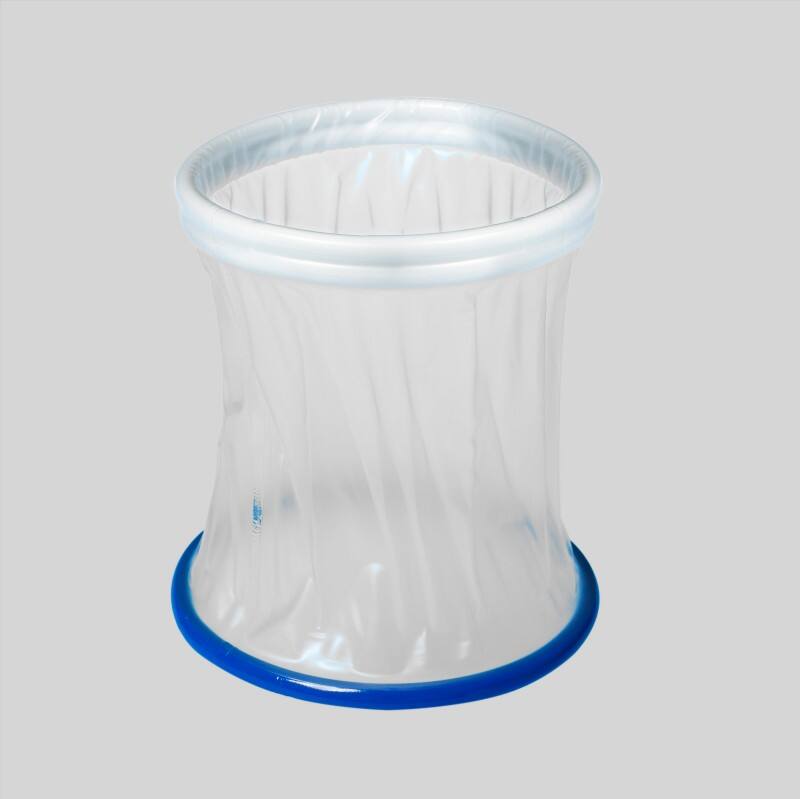
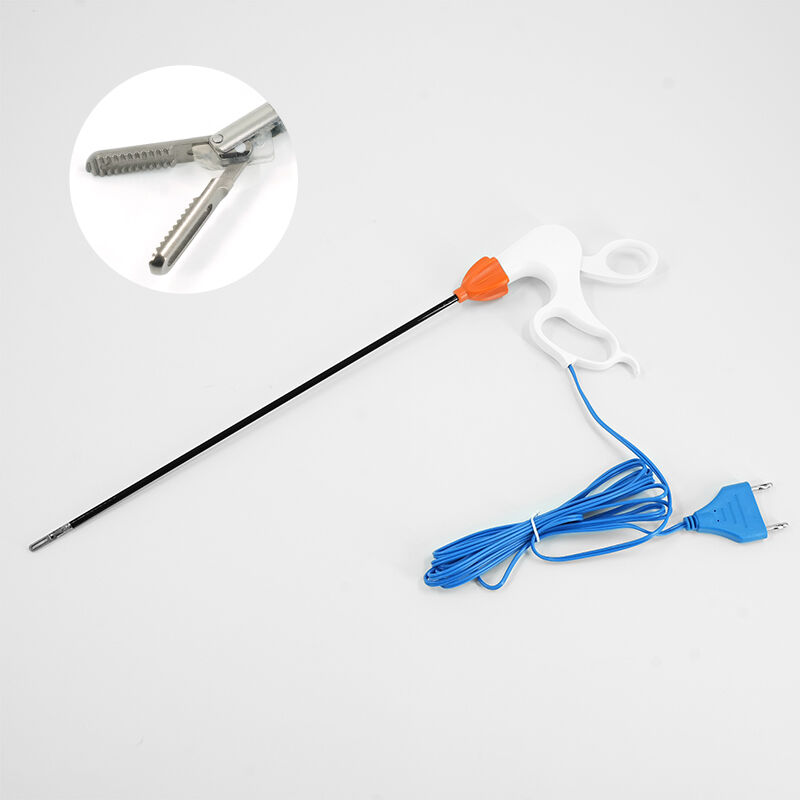
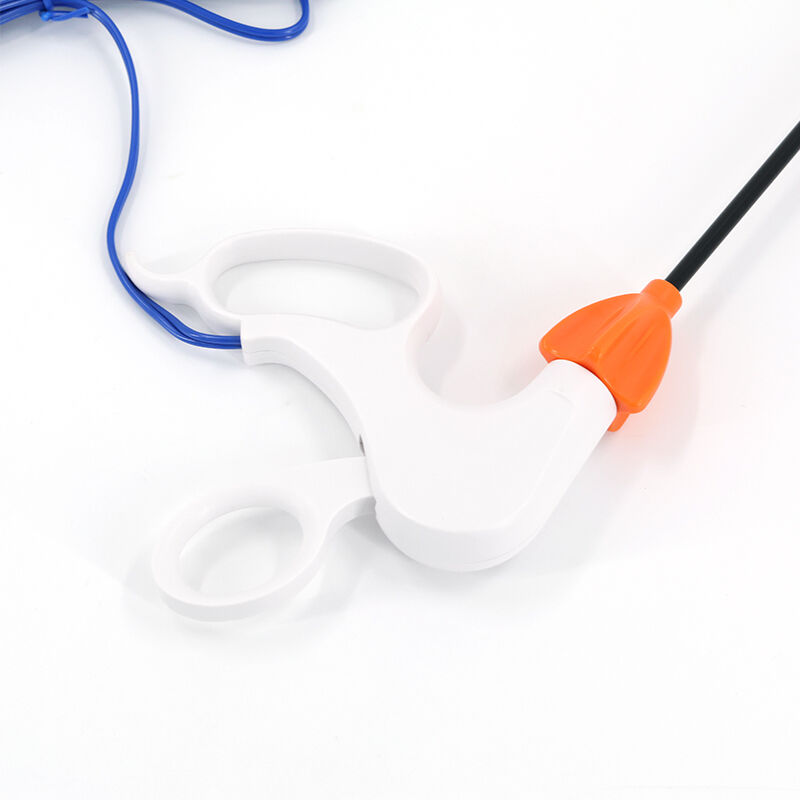
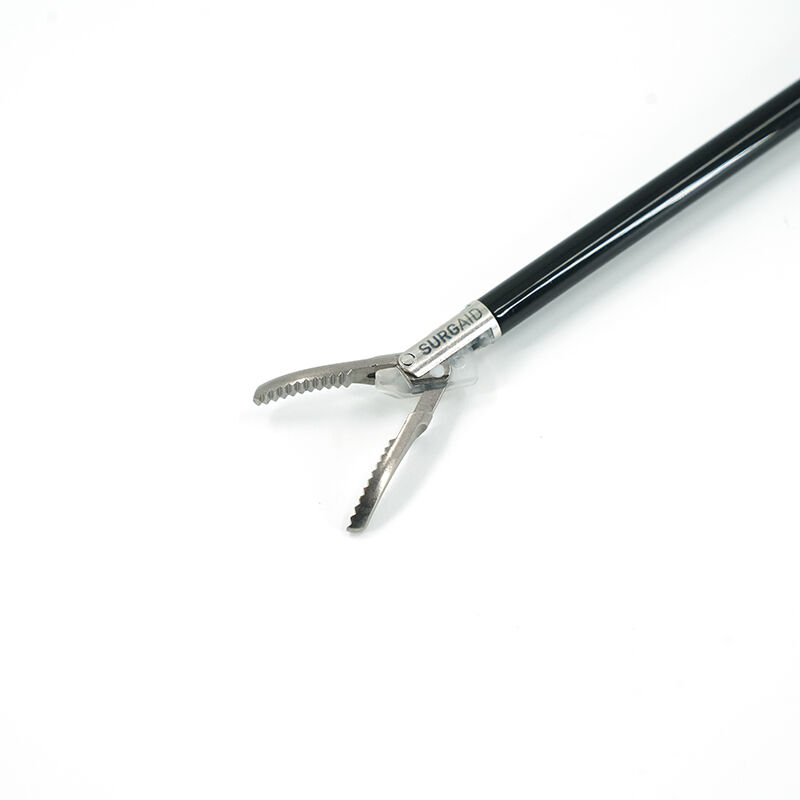
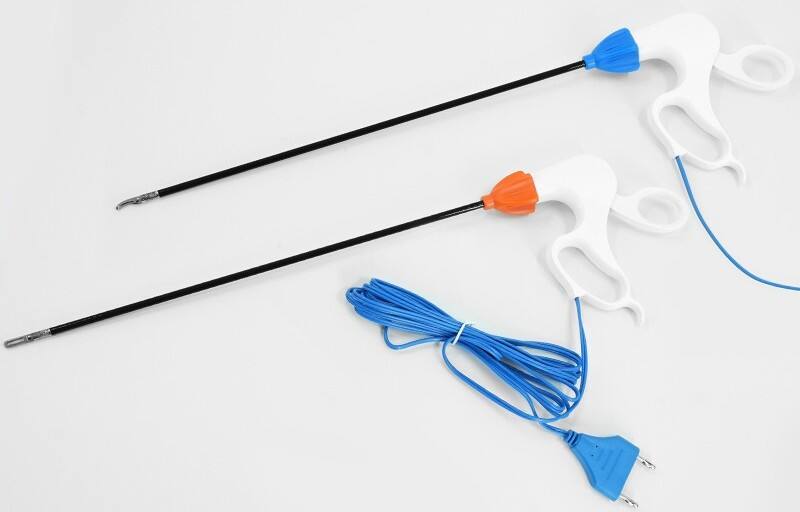
Retraktori i lëkurës pa traumatizëm përfaqëson një avancim revolucionar në instrumentet kirurgjikale, i dizajnuar specifikisht për të siguruar ekspozimin optimal të indit, ndërkohë që minimizon traumatizmin e pacientit gjatë procedurave mjekësore. Ky instrument mjekësor i sofistikuar funksionon si një sistem retraktues vetëmbajtës që mban butësisht lëkurën dhe indet e buta në pozicion, duke lejuar kirurgët të ruajnë vizibilitetin e qartë të fushës operative pa kërkuar ndihmë manuale të vazhdueshme. Funksioni kryesor i retraktorit të lëkurës pa traumatizëm qëndron në krijimin dhe ruajtjen e qasjes kirurgjikale përmes zhvendosjes së kontrolluar dhe të konstantes së indit, e cila zvogëlon rrezikun e dëmtimit të papërdorshëm të indit, i cili shpesh shoqërohet me metodat tradicionale të retraksionit. Veçoritë teknologjike të këtij instrumenti inovativ përfshijnë krahët e retraksionit me përpikmëri të inxhinierizuar me skaje të rrumbullakëta dhe të lëmuara, të cilat shpërndajnë presionin në mënyrë të barabartë mbi sipërfaqet e indit, duke parandaluar përqendrimet lokale të stresit që mund të çojnë në nekrozë ose shkarrime indi. Pajisja përfshin mekanizma të përshtashëm të tensionit që lejojnë kirurgët të përshtasin forcën e retraksionit sipas anatomisë specifike të pacientit dhe kërkesave procedurale. Materialët e avancuara të përdorura në prodhim garantojnë biokompatibilitetin, rezistencën ndaj korrozionit dhe qëndrueshmërinë e gjatë afati nën ciklet e përsëritura të sterilizimit. Retraktori i lëkurës pa traumatizëm gjen aplikime të gjerë në shumë specialitete kirurgjikale, përfshirë kirurgjinë plastike, ortopedinë, kirurgjinë e përgjithshme dhe procedurat dermatologjike. Në kirurgjinë estetike, ky instrument është i pavlefshëm për lifteve të fytyrës, abdominoplastinë dhe procedurat e riparimit të gjoksit, ku ruajtja e indit dhe rezultatet estetike janë thelbësore. Kirurgët ortopedistë e përdorin këto retraktorë gjatë operacioneve të zëvendësimit të nyjeve, procedurave të kolonës së qupe dhe riparimeve pas traumatizmit, ku manipulimi i butë i indit ndikon drejtpërdrejt në rezultatet e shërimi dhe në rivendosjen funksionale. Kirurgët e përgjithshëm përdorin retraktorët e lëkurës pa traumatizëm për procedurat abdominale, riparimet e hernive dhe operacionet e asistuara laparoskopikisht, ku minimizimi i dëmtimit të papërdorshëm të indit shpejton shërimin e pacientit. Shumëfunksionaliteti i pajisjes zgjellet edhe në procedurat ambulatorike, operacionet e urgjencës dhe rastet e komplikuara riparuese, duke e bërë atë një mjet thelbësor në praktikën kirurgjikale moderne. Filozofia e dizajnit të saj thekson sigurinë e pacientit, efikasitetin kirurgjikal dhe rezultatet klinike optimale përmes reduktimit të traumatizmit të indit.

 EN
EN