ถุงส่องกล้องคุณภาพสูง
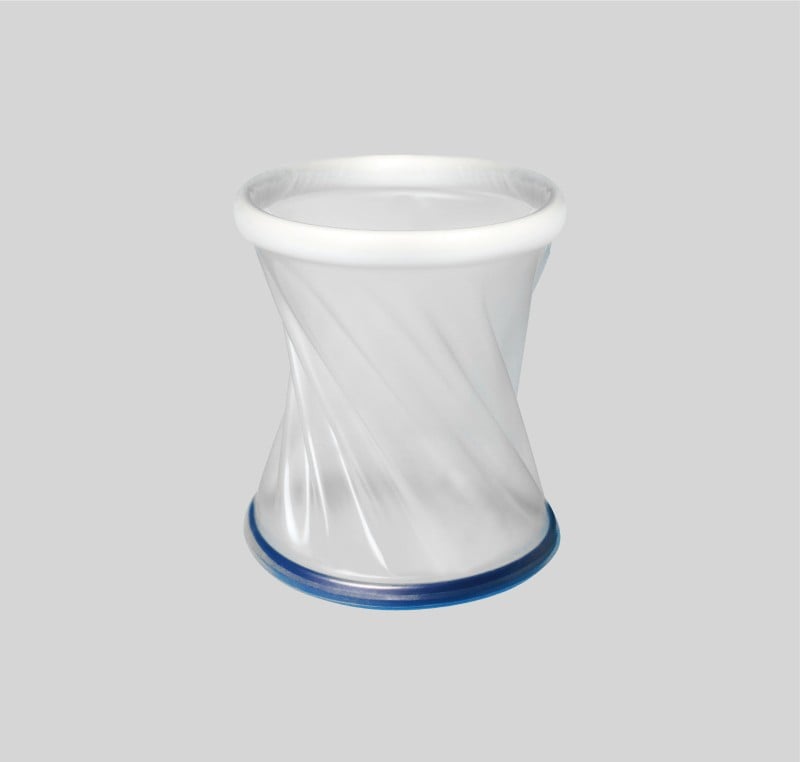
ถุงเก็บตัวอย่างชนิดคุณภาพสูง (high quality endo pouch) นี้ถือเป็นความก้าวหน้าเชิงปฏิวัติในเทคโนโลยีการผ่าตัดแบบรุกรานน้อย โดยได้รับการออกแบบมาโดยเฉพาะเพื่อเพิ่มประสิทธิภาพในการเก็บตัวอย่างระหว่างการผ่าตัดผ่านกล้อง (laparoscopic) และการผ่าตัดผ่านกล้องทางเดินอาหารหรือทางเดินหายใจ (endoscopic) อุปกรณ์การแพทย์ขั้นสูงนี้ทำหน้าที่เป็นองค์ประกอบสำคัญยิ่งในแนวทางการผ่าตัดสมัยใหม่ ซึ่งช่วยให้ศัลยแพทย์สามารถดึงตัวอย่างเนื้อเยื่อ อวัยวะ หรือวัตถุแปลกปลอมออกจากร่างกายได้อย่างปลอดภัยและมีประสิทธิภาพผ่านแผลผ่าตัดขนาดเล็ก ถุงเก็บตัวอย่างชนิดคุณภาพสูงนี้มีโครงสร้างสองชั้นที่ไม่เหมือนใคร ซึ่งผสานวัสดุที่เข้ากันได้กับร่างกายมนุษย์ (biocompatible materials) เข้ากับหลักการวิศวกรรมขั้นสูง เพื่อให้มั่นใจในประสิทธิภาพการทำงานสูงสุดแม้ในสถานการณ์การผ่าตัดที่ท้าทายที่สุด หน้าที่หลักของถุงนี้ ได้แก่ การบรรจุตัวอย่างอย่างมั่นคง การป้องกันการปนเปื้อน และกระบวนการดึงตัวอย่างออกอย่างราบรื่น ซึ่งช่วยลดระยะเวลาการผ่าตัดและลดความเสี่ยงต่อผู้ป่วยได้อย่างมีนัยสำคัญ โครงสร้างเทคโนโลยีของถุงเก็บตัวอย่างชนิดคุณภาพสูงนี้ประกอบด้วยองค์ประกอบการออกแบบที่สร้างสรรค์หลายประการ รวมถึงกลไกเปิดที่เสริมความแข็งแรง ซึ่งช่วยให้สามารถคลี่ถุงได้อย่างง่ายดายภายในพื้นที่กายวิภาคที่จำกัด นอกจากนี้ อุปกรณ์ยังใช้เทคโนโลยีเยื่อบางพิเศษที่รักษาความสมบูรณ์ของโครงสร้างภายใต้สภาวะความดันที่เปลี่ยนแปลงไป พร้อมทั้งป้องกันการแตกหักของเนื้อเยื่อและการรั่วไหลของของเหลว วิทยาศาสตร์พอลิเมอร์ขั้นสูงยังมีส่วนช่วยให้ถุงมีความยืดหยุ่นยอดเยี่ยม ทำให้สามารถปรับรูปร่างเข้ากับตัวอย่างที่มีรูปร่างไม่สม่ำเสมอได้โดยไม่กระทบต่อความมั่นคงในการบรรจุ ถุงเก็บตัวอย่างชนิดคุณภาพสูงนี้แสดงให้เห็นถึงความหลากหลายในการใช้งานอย่างโดดเด่นในหลายสาขาวิชาการผ่าตัด ทั้งการผ่าตัดทั่วไป นรีเวชวิทยา ระบบทางเดินปัสสาวะ และโรคมะเร็ง ขอบเขตการใช้งานของถุงนี้ครอบคลุมตั้งแต่การผ่าตัดตัดไส้ติ่งและถุงน้ำดีแบบทั่วไป ไปจนถึงการผ่าตัดนำเนื้องอกที่ซับซ้อนออก และการเตรียมอวัยวะสำหรับการปลูกถ่าย ความเข้ากันได้ของถุงนี้กับเครื่องมือผ่าตัดผ่านกล้อง (laparoscopic instruments) และระบบแคนนูลา (trocar systems) ต่าง ๆ ทำให้ถุงนี้กลายเป็นเครื่องมือที่ขาดไม่ได้สำหรับทีมศัลยแพทย์ทั่วโลก ยิ่งไปกว่านั้น ถุงเก็บตัวอย่างชนิดคุณภาพสูงนี้ยังมีคุณสมบัติด้านความปลอดภัยที่ช่วยลดความเสี่ยงจากการปนเปื้อนข้าม (cross-contamination) อย่างมีประสิทธิภาพ และปกป้องเนื้อเยื่อรอบข้างจากการรั่วไหลของตัวอย่างระหว่างการจัดการ จึงได้กำหนดมาตรฐานใหม่แห่งความเป็นเลิศในการผ่าตัดและผลลัพธ์ด้านการดูแลผู้ป่วยในทางการแพทย์สมัยปัจจุบัน
 EN
EN