 EN
EN

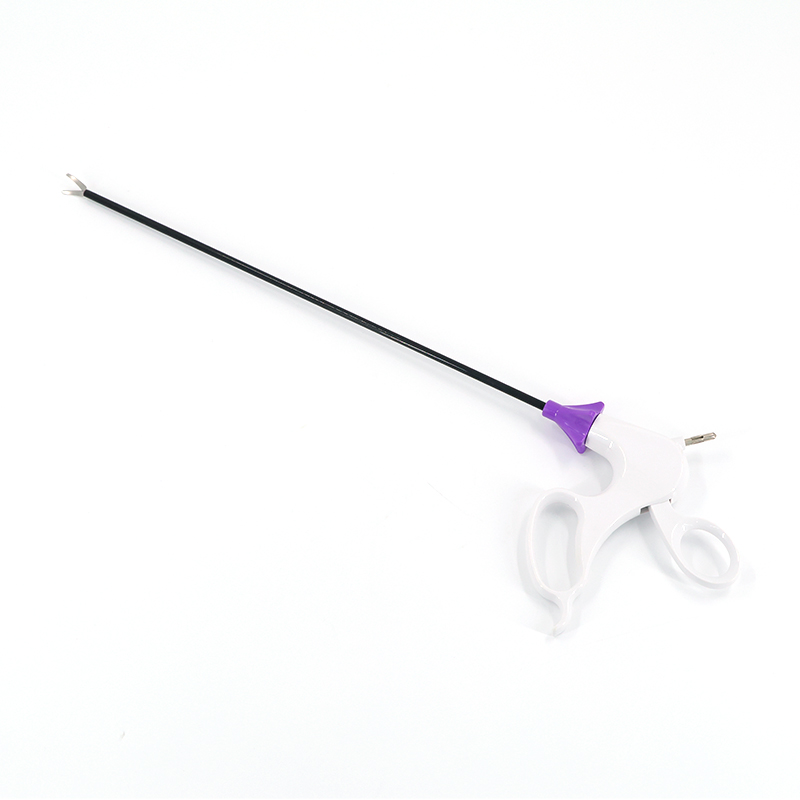
Minimally invasive surgery has revolutionized patient outcomes across multiple surgical disciplines, and the adoption of bipolar instruments has been central to this transformation. These specialized tools provide surgeons with the precision, control, and safety needed to perform complex procedures through small incisions. Understanding why bipolar instruments have become standard in minimally invasive surgery requires examining their unique design, electrical properties, and clinical advantages. Bipolar instruments enable surgeons to work in confined spaces while maintaining hemostasis and tissue integrity, making them indispensable in modern operating rooms.
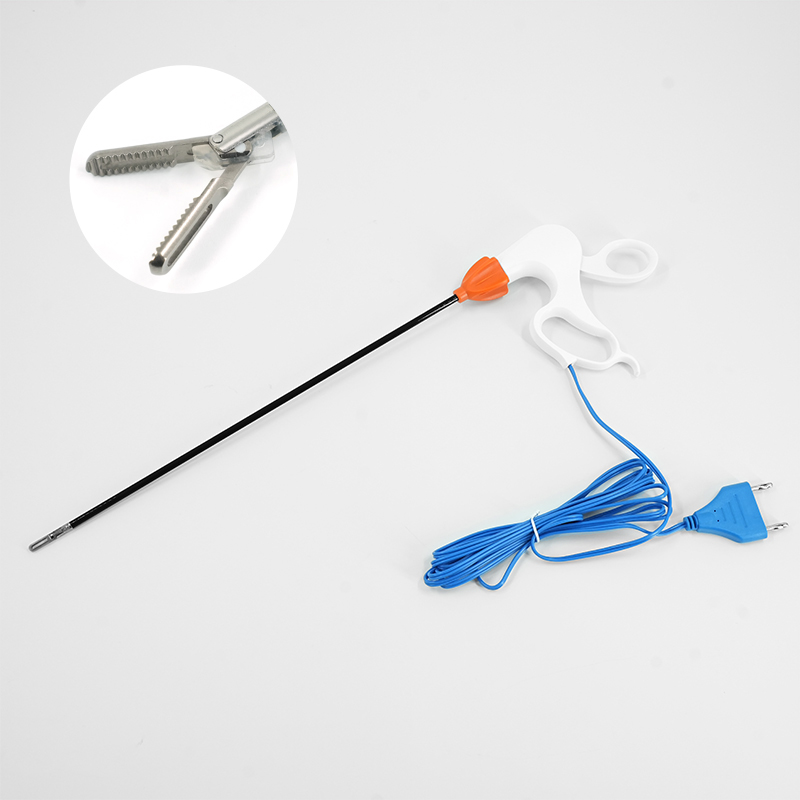
The rise of minimally invasive techniques has created specific demands that bipolar instruments uniquely address. Unlike unipolar electrosurgical devices, bipolar instruments deliver current directly between two electrodes at the instrument tip, creating a localized surgical field. This targeted approach reduces thermal damage to surrounding tissues and improves safety in confined anatomical spaces. The widespread adoption of bipolar instruments reflects their ability to solve real surgical challenges while enhancing patient safety and procedural outcomes.
Superior Hemostatic Control and Tissue Safety
Precision Coagulation in Confined Spaces
Bipolar instruments excel at providing hemostatic control in the tight surgical fields characteristic of minimally invasive procedures. The current flows directly from one electrode to the other within the tissue being treated, eliminating the need for a dispersive electrode elsewhere on the patient's body. This design means bipolar instruments can achieve effective coagulation using lower power settings than unipolar devices. When surgeons are working through small laparoscopic ports or endoscopic channels, this precision becomes critical for maintaining visibility and preventing collateral tissue damage that could compromise surgical outcomes.
Reduced Thermal Spread and Adjacent Tissue Protection
The localized current pattern of bipolar instruments significantly reduces thermal spread beyond the intended treatment area. In minimally invasive surgery, protecting adjacent structures from heat injury is paramount because the surgeon's ability to visualize and access affected tissue is severely limited. Bipolar instruments minimize the thermal footprint around the surgical site, protecting vulnerable structures such as nerves, blood vessels, and organ walls. This capability becomes especially valuable in procedures involving delicate anatomy, such as gynecological, urological, and neurosurgical applications where thermal safety directly impacts patient morbidity.
Enhanced Surgical Visualization and Control
Maintained Clarity During Prolonged Procedures
Minimally invasive surgery often requires extended operative times, and maintaining clear visualization throughout the procedure is essential. Bipolar instruments produce less tissue charring and smoke compared to unipolar devices, which means the surgical field remains clearer during prolonged use. This enhanced visibility allows surgeons to work more efficiently and accurately, reducing operative time and associated patient morbidity. The reduced charring also means less cleanup of surgical debris, allowing surgeons to maintain focus on the task without interruption.
Improved Ergonomics and Handling
The design of bipolar instruments often allows for better ergonomic handling during minimally invasive procedures. These instruments can be manipulated through small incisions with greater precision because the surgeon receives more tactile feedback and better control of the electrode positioning. Modern bipolar instruments feature improved mechanical advantage and shaft design that enables surgeons to perform complex maneuvers with less hand strain. When working through laparoscopic trocars or endoscopic channels, this enhanced control translates directly into improved surgical efficiency and reduced fatigue for the surgical team.
Clinical Safety and Regulatory Advantages
Reduced Risk of Accidental Electrical Injury
One of the most significant safety advantages of bipolar instruments relates to electrical injury prevention. Because current flows only between the two electrodes at the instrument tip, there is no need for a return pad, which eliminates a major source of potential accidental burns in unipolar systems. Bipolar instruments cannot cause electrical burns at unintended sites on the patient's body or through inadvertent contact with conductive surfaces. This inherent safety feature makes bipolar instruments particularly valuable in minimally invasive surgery where patient positioning and draping arrangements may complicate the proper placement of return electrodes.
Compatibility with Modern Surgical Environments
Bipolar instruments integrate seamlessly with contemporary minimally invasive surgical equipment and electrosurgical units designed for modern operating room workflows. They work effectively in laparoscopic, arthroscopic, endoscopic, and robotic-assisted surgical platforms. The electrical characteristics of bipolar instruments make them ideal for use in environments where metallic implants or conductive materials are present, as the localized current field reduces interference and safety risks. This broad compatibility has accelerated the adoption of bipolar instruments across multiple surgical specialties.
Practical Applications and Procedural Benefits
Broad Procedural Applications
Bipolar instruments are used across a remarkably wide range of minimally invasive surgical procedures. In laparoscopic gynecological surgery, they provide precise hemostasis during hysterectomies, myomectomies, and ovarian procedures. In arthroscopic orthopedic surgery, bipolar instruments enable controlled tissue ablation and hemostasis in joint spaces. Endoscopic urological procedures benefit from the precise coagulation capabilities of bipolar instruments when managing bleeding from prostate resections or bladder lesions. This versatility means that investing in high-quality bipolar instruments provides value across many procedural contexts.
Cost-Effectiveness Over Extended Use
While premium bipolar instruments represent an initial capital investment, their durability and effectiveness result in lower per-case costs when properly maintained. Quality bipolar instruments can be reused hundreds of times, and their reliable performance reduces the need for conversion to open procedures or repeated interventions due to inadequate hemostasis. The reduced operative time achieved through efficient use of bipolar instruments contributes additional cost savings by decreasing anesthesia time and operating room utilization. Healthcare facilities that adopt bipolar instruments as their standard for minimally invasive procedures typically experience improved financial performance alongside better patient outcomes.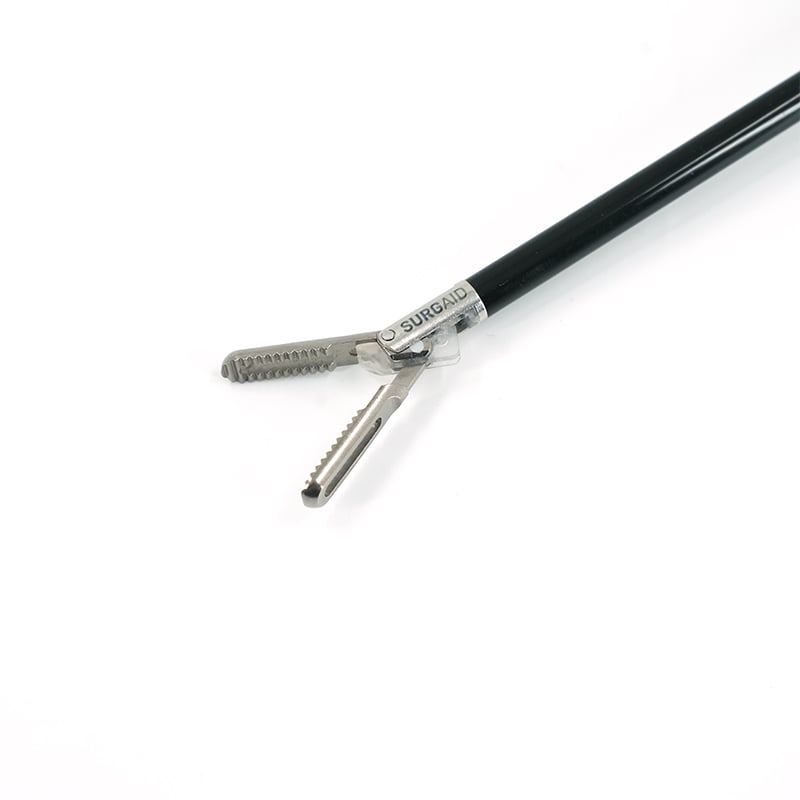
FAQ
What makes bipolar instruments different from unipolar electrosurgical devices?
Bipolar instruments deliver electrosurgical current between two electrodes located at the instrument tip, while unipolar devices require a separate return electrode placed on the patient's skin. This fundamental difference means bipolar instruments provide localized coagulation with minimal thermal spread, enhanced safety, and reduced risk of accidental electrical burns. The current path in bipolar instruments is contained within the surgical field, making them ideal for minimally invasive procedures where precision and safety are paramount.
Can bipolar instruments be used in all types of minimally invasive surgery?
Bipolar instruments are highly versatile and compatible with most minimally invasive surgical platforms, including laparoscopy, arthroscopy, endoscopy, and robotic-assisted surgery. However, specific instrument selection depends on the procedure, anatomical location, and tissue type being treated. Surgeons should work with instrument manufacturers and hospital procurement specialists to ensure the selected bipolar instruments meet the requirements of their specific procedural needs. Some specialized applications may require custom instrument designs or specific electrode configurations.
How does the use of bipolar instruments affect operative time and patient outcomes?
Bipolar instruments typically reduce operative time through improved visualization, efficient hemostasis, and reduced need for conversion to open procedures. Better hemostatic control means fewer complications from inadequate coagulation, while reduced thermal injury protects adjacent structures and decreases postoperative morbidity. Patient outcomes improve through shorter operative time, reduced blood loss, diminished tissue trauma, and faster recovery. The cumulative effect of these advantages makes bipolar instruments a valuable investment for surgical programs committed to delivering excellent results in minimally invasive surgery.